
Subtotal $0.00





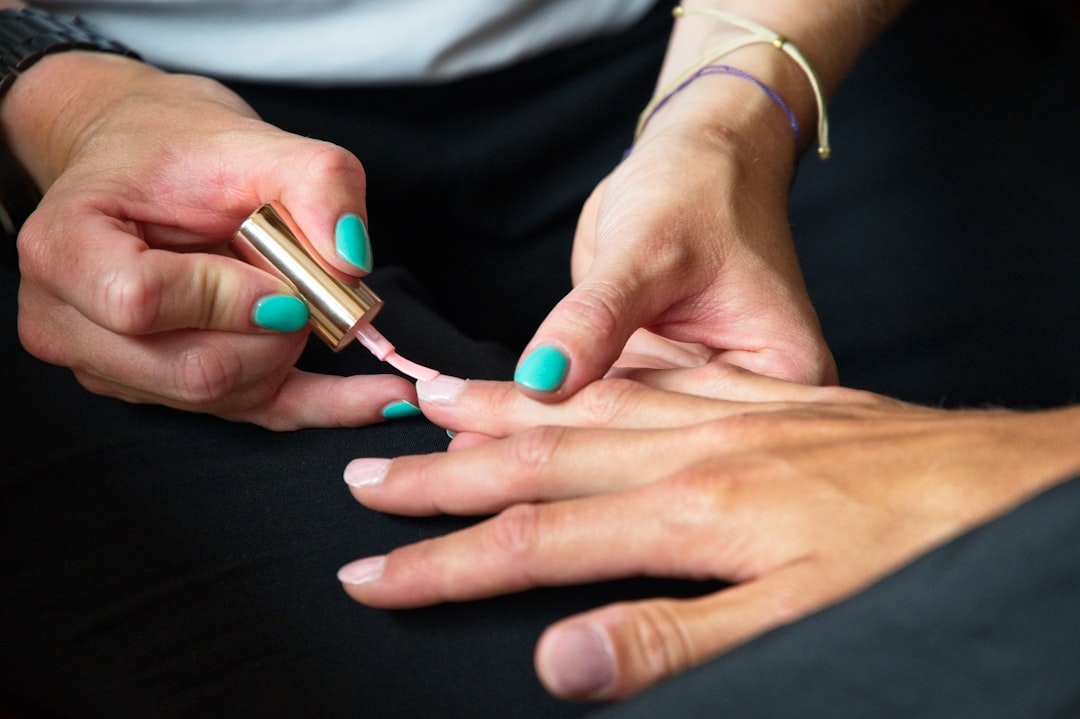
Gel vs acrylic vs dip powder: walking into a nail salon and choosing between them can feel like a bigger decision than it needs to be. Each option has real trade-offs in durability, nail health, and how they look and feel — here’s how to pick.
Gel Polish
Gel is a polish cured under UV or LED light. It’s the closest to a regular manicure in look and feel, dries hard and glossy, and typically lasts 2-3 weeks without chipping.
Best for: People who want their natural nails with more durability, and who get manicures often enough that regrowth isn’t a big issue.
Acrylic
Acrylic is a liquid-and-powder mix applied over the natural nail or a tip, then shaped. It’s the most durable option and can be sculpted into any length or shape.
Best for: People who want length, dramatic shapes, or maximum durability for things like manual work. Removal needs to be done by a professional — picking acrylic off damages the natural nail underneath.
Dip Powder
Dip powder involves dipping the nail into colored powder, sealed with an activator — no UV light needed. It’s known for being strong without the heaviness of acrylic.
Best for: People who want strength and length without the acrylic smell or a UV lamp, though it dries a lot thinner than acrylic.
Gel vs Acrylic vs Dip Powder: What to Consider Before Choosing
- Nail health: If your natural nails are already weak or damaged, gel is gentler than acrylic or dip.
- How often you can get fills: Acrylic and dip both need fills every 2-3 weeks as nails grow out. Gel is more forgiving if you skip an appointment.
- Removal: Never pick or peel any of these off. Improper removal is the main cause of long-term nail damage, far more than the product itself, as confirmed by the American Academy of Dermatology.
- Allergies: Some people react to the chemicals in acrylic or gel. Mention any known sensitivities before your appointment.
Whichever option you choose, ask your nail tech to give your nails a short break between full sets every few months to let them recover.
Understanding Nail Structure and Growth
Your natural nail is made of layers of keratin, the same protein found in hair, built up by cells in the nail matrix under the cuticle. Fingernails grow roughly 3 millimeters per month on average, though growth rate slows with age and can be affected by nutrition, circulation, and overall health. Toenails grow considerably slower, which is part of why toe polish and gel tends to last longer between chips than fingernails.
Nail health depends heavily on the health of the nail matrix and the surrounding cuticle. Damage to the matrix, from trauma or aggressive manicure techniques, can cause ridges, dents, or changes in how nails grow that may take months to fully grow out.
A Closer Look at Each Application Method
How Gel Polish Is Applied
Gel application starts with prepping the natural nail, applying a thin base coat cured under UV or LED light, followed by one or two thin color coats, each cured individually, and finished with a top coat also cured under light. The whole process typically takes longer at the salon than a traditional polish manicure due to the multiple curing steps, but the result dries completely hard by the time you leave, unlike regular polish which can smudge for hours afterward.
How Acrylic Is Applied
Acrylic involves mixing a liquid monomer with a powder polymer to create a workable bead, which is then applied and sculpted onto the natural nail or over a nail tip extension. The technician shapes the acrylic while it’s still pliable, then it air-dries and hardens without needing a UV lamp. Because it’s sculpted rather than simply painted on, acrylic offers the most flexibility for adding length or correcting nail shape.
How Dip Powder Is Applied
After prepping the nail and applying a base coat, the nail is dipped directly into colored powder (or the powder is brushed on for hygiene reasons at some salons), then sealed with an activator that hardens the mixture. This is typically repeated for a couple of layers to build durability, then finished with a top coat. No UV light is involved, which is one of dip powder’s most commonly cited advantages.
Nail Health Fundamentals
The cuticle’s actual job
The cuticle is the thin layer of skin that seals the base of the nail, protecting the matrix underneath from bacteria and fungus. Cutting the cuticle too aggressively, rather than gently pushing it back, can create small openings for infection and is a common cause of chronic cuticle irritation. Many nail technicians now recommend pushing rather than cutting for this reason.
Signs of nail damage
- Peeling or splitting layers: Often a sign of excessive dryness or repeated exposure to harsh chemicals like cleaning products or acetone.
- Ridges running vertically: Usually a normal part of aging and not typically a cause for concern on their own.
- Ridges running horizontally (Beau’s lines): Can indicate a period of illness, stress, or nutritional deficiency that temporarily disrupted nail growth, and are worth mentioning to a doctor if they appear without an obvious cause.
- Thinning after repeated acrylic or gel removal: Usually a sign that removal wasn’t done gently enough, or that too little recovery time was given between full sets.
Why improper removal causes more damage than the product itself
Peeling off gel, acrylic, or dip powder pulls away layers of the natural nail bonded to the product, leaving nails thin, weak, and prone to breaking. Proper removal — soaking in acetone with the product wrapped for gel, or gentle filing and soaking for acrylic and dip — takes more time but preserves far more of the natural nail underneath. This is the single most common cause of long-term nail damage attributed to these services, more so than the coloring or curing process itself.
Between-Appointment Nail Care
A few home habits help maintain nail health regardless of which service you choose:
- Moisturize cuticles daily. Cuticle oil (or even a basic hand lotion applied specifically to the nail bed) helps prevent the dryness that leads to hangnails and cracking.
- Wear gloves for cleaning and dishwashing. Repeated exposure to water and harsh cleaning chemicals weakens both natural nails and enhancement products like gel and acrylic.
- Avoid using nails as tools. Opening cans, scratching off labels, or prying things open puts unnecessary stress on nails and enhancements, increasing the chance of lifting or breakage.
- Keep nails at a consistent length. Very long nails, whether natural or enhanced, are more prone to snagging and breaking than moderate lengths.
Nail Art Considerations by Method
Gel
Gel takes nail art well since each layer cures individually, allowing for precise line work, gradients, and small details without the color shifting before it sets.
Acrylic
Acrylic’s sculpted surface holds 3D nail art (like embedded charms or textured designs) particularly well, since the base itself can be shaped and built up around embellishments.
Dip Powder
Dip is more limited for intricate art since the color comes from the powder itself rather than a paintable layer, though simple designs, ombre effects using multiple powder colors, and glitter accents work well.
Cost and Time Factors
Pricing varies significantly by salon, region, and nail tech experience, but a few general factors affect what you’ll pay across any of these methods:
- Length and shape: Longer lengths and more dramatic shapes (like stiletto or coffin) generally cost more due to the extra product and shaping time required.
- Nail art complexity: Simple accent nails cost less than full sets with detailed hand-painted designs on every nail.
- Fill-ins vs. full sets: A fill-in (maintaining existing acrylic or dip rather than removing and redoing everything) is typically less expensive and faster than a full new set.
- Removal: Some salons include removal of a previous set in the price of a new service; others charge separately, especially if the previous set wasn’t done at the same salon.
It’s reasonable to ask about pricing for your specific length, shape, and any art before starting a service, since verbal quotes at booking aren’t always itemized until you arrive.
A Brief History of Nail Enhancement Methods
Acrylic nails date back to the 1950s, originally developed somewhat by accident by a dentist experimenting with dental acrylic. By the 1970s and 80s, acrylics had become a mainstream salon service and remained the dominant nail enhancement method for decades due to their durability and ability to create dramatic length and shape.
Gel polish emerged more recently, gaining mainstream popularity in the 2000s and 2010s as LED and UV curing lamps became more affordable and accessible for salon use. Its appeal was largely about convenience — chip-resistant color without the wait time of traditional polish, and less commitment than a full acrylic set.
Dip powder is the newest of the three mainstream methods to gain wide popularity, marketed heavily around the idea of being a healthier alternative due to the absence of UV light and, in many formulations, a lack of strong chemical odor compared to acrylic. It’s worth noting that dip powder still involves chemical activators and isn’t inherently risk-free — it simply has a different risk profile than the other two methods.
Safety Considerations Worth Knowing
MMA vs. EMA in acrylic products
Professional-grade acrylic systems use EMA (ethyl methacrylate), while MMA (methyl methacrylate) is a cheaper, less flexible alternative that’s been restricted or banned in professional nail products in several regions due to safety concerns, including allergic reactions and nail damage. Reputable, licensed salons use EMA-based products; it’s reasonable to ask which type a salon uses if you’re unsure.
Ventilation matters
Acrylic application in particular releases fumes that are best handled in a well-ventilated space. Licensed salons are generally required to meet ventilation standards, which is one of several reasons why choosing a licensed, inspected salon over an unregulated setup matters for both nail and general health.
Allergic reactions
Some people develop sensitivities or allergic reactions to the chemicals in acrylic, gel, or dip systems over time, even after previously tolerating them without issue. Symptoms can include redness, itching, or swelling around the nail. If this happens, switching methods or taking a break from enhancements entirely is usually recommended, along with consulting a dermatologist if symptoms are significant.
Choosing a Nail Shape
Beyond the enhancement method, nail shape affects both the look and practicality of a set.
- Square: A classic, low-maintenance shape with a flat free edge and squared corners — durable and good for shorter to medium lengths.
- Round: Follows the natural curve of the fingertip, generally considered the most low-maintenance shape since it grows out with minimal reshaping needed.
- Oval: A softened, elongated shape that can make fingers appear longer, popular for a polished, classic look.
- Almond: Tapered toward a rounded point, offering an elegant look but requiring more length to fully achieve the shape.
- Squoval: A hybrid of square and oval, offering some of the durability of square with softer corners.
- Stiletto: A dramatic, sharply pointed shape that typically requires acrylic or a similarly rigid enhancement to hold the shape and length without breaking.
- Coffin/Ballerina: A tapered shape with a squared-off tip, popular for longer, fashion-forward looks and usually achieved with acrylic or gel extensions.
More dramatic shapes generally require more length and a rigid enhancement method to hold their form, which is part of why stiletto and coffin shapes are less commonly done with just a natural nail or dip powder alone.
Common Nail Myths
Myth: Nails need to breathe between enhancement sets
Nails are made of dead keratin cells and don’t breathe in the way skin does, so there’s no physiological need to leave nails completely bare between sets for this reason. That said, giving nails an occasional break is still reasonable for allowing the nail plate to recover strength and thickness after repeated aggressive filing or removal.
Myth: Gel polish is always healthier than acrylic
Both involve chemical processes and both carry some risk if applied or removed improperly. Gel is generally less damaging to the natural nail simply because it doesn’t require the same aggressive filing and bonding as acrylic, not because the polish itself is inherently gentler.
Myth: White spots on nails mean a calcium deficiency
This is a persistent but largely inaccurate belief. White spots, known as leukonychia, are most commonly caused by minor trauma to the nail matrix, not a nutritional deficiency, and typically grow out on their own without needing dietary changes.
DIY Nail Care vs. Professional Services
At-home nail care can maintain nails reasonably well between salon visits, but it has real limitations:
- Simple polish changes and basic manicures are reasonable to do at home with the right tools and a steady hand.
- Gel, acrylic, and dip application require specific equipment, such as UV or LED lamps and proper primers and activators, and technique that are difficult to replicate safely and effectively without training.
- Removal is the riskiest step to DIY. Improper at-home removal, especially peeling or forceful filing, causes far more nail damage than professional removal using proper soaking techniques.
A reasonable middle ground many people use is doing simple polish changes and basic care at home, while leaving gel, acrylic, dip application, and all removal to a professional.
Frequently Asked Questions
How do I know if my nail tech is using proper sanitation?
Look for tools that are either single-use/disposable or visibly sanitized between clients (autoclave sterilization for metal tools, for example), and a clean, organized workstation. Reputable salons follow state licensing board sanitation requirements, and it’s completely reasonable to ask about their sanitation process if you’re unsure.
Can I switch between gel, acrylic, and dip without issue?
Yes, though switching methods usually means starting with a full removal of the previous product rather than simply building the new one on top, so budget slightly more time for a method switch compared to a same-method fill-in.
Why did my gel polish chip so quickly?
Common causes include insufficient curing time, oil or moisture left on the nail before application, or nails that were exposed to a lot of water or friction shortly after the appointment. If chipping happens repeatedly and quickly, it’s worth mentioning to your salon, since it may indicate a product or application issue worth addressing.
Is it necessary to take breaks between full sets?
Many nail technicians recommend giving nails a short break every few months, especially after repeated acrylic sets, to let the natural nail recover its thickness and strength. This isn’t strictly required, but it’s a reasonable practice for long-term nail health.
Understanding Nail Structure and Health
The natural nail is made of layers of keratin, the same protein found in hair. Healthy nails are typically smooth, uniform in color, and free of ridges, though some vertical ridging is a normal part of aging and not necessarily a health concern. Understanding a bit about nail structure helps explain why certain enhancement types are gentler than others, and why proper removal matters so much.
The nail plate itself doesn’t have nerve endings or blood supply — damage happens to the nail bed underneath and the matrix at the base, which is where new nail growth originates. Damaging the matrix (through aggressive filing, picking off enhancements, or trauma) can affect how nails grow back, sometimes causing ridging or thinning that takes months to fully resolve as the nail grows out.
A Closer Look at Each Enhancement Type
How gel polish actually works
Gel polish uses a photoinitiator that triggers a chemical reaction (polymerization) when exposed to UV or LED light, causing the polish to harden almost instantly rather than air-drying like traditional polish. This is why gel manicures don’t smudge on the way out the salon door, unlike regular polish which can take an hour or more to fully harden. The trade-off is that gel requires a specific removal process — typically soaking in acetone — since it won’t simply chip or peel off cleanly like standard polish.
How acrylic is built
Acrylic nails are created by mixing a liquid monomer with a powder polymer, which creates a workable paste that hardens as it air-dries (no UV light needed). This can be applied directly onto natural nails for added strength and slight length, or over nail tips for more significant length or dramatic shapes like stiletto or coffin nails. Because the product is built up in layers and sculpted, acrylic offers the most structural strength and flexibility in shaping compared to gel or dip.
How dip powder differs
Dip powder systems typically involve a base coat, then dipping the nail into colored powder (or brushing powder on), sealed with an activator, repeated in a few thin layers, then finished with a top coat. Because it doesn’t require UV curing and uses thinner layers than acrylic, many people find dip powder feels lighter on the nail while still offering solid durability.
Nail Art Considerations by Enhancement Type
If you’re interested in nail art — French tips, ombre effects, hand-painted designs, embellishments — the base enhancement type affects what’s realistically achievable and how it holds up:
- Gel is a popular base for detailed nail art because gel polish itself can be used to paint fine details, and each layer can be cured individually, allowing for precise, long-lasting designs.
- Acrylic offers the most flexibility for 3D nail art, embedded charms, and dramatic sculptural designs since the product itself can be shaped and built up.
- Dip powder is more limited for intricate hand-painted art since the powder application process doesn’t lend itself to fine detail work as easily, though simple designs and ombre effects are achievable.
Salon Hygiene and Safety
Nail salons handle tools that come into direct contact with skin and nails, which makes hygiene practices worth paying attention to as a client:
- Sterilized tools: Metal tools (cuticle nippers, pushers) should be sterilized between clients, ideally in an autoclave, not just wiped down. Many states require salons to maintain sterilization logs.
- Single-use items: Nail files and buffer blocks are porous and difficult to fully sterilize, so many reputable salons use single-use files or ask clients to bring their own.
- Foot baths: For pedicures, foot baths should be cleaned and disinfected between every client — this is one of the more common areas where infection risk (bacterial or fungal) can occur if hygiene protocols aren’t followed.
- Licensed technicians: In most US states, nail technicians must hold a state license, which typically requires training on sanitation and safety practices. It’s reasonable to ask about a salon’s sanitation practices if you have any concerns, particularly if you have any cuts, conditions like diabetes, or a compromised immune system.
Caring for Your Nails Between Salon Visits
- Moisturize cuticles daily. Cuticle oil helps keep the skin around the nail flexible and reduces the urge to pick or bite at dry, cracking cuticles.
- Wear gloves for cleaning and dishes. Repeated exposure to water and harsh cleaning chemicals weakens both natural nails and enhancements, and can cause lifting in gel or acrylic sets.
- Avoid using nails as tools. Opening cans, scraping labels, or prying things apart with your nails is one of the most common causes of breaks and lifting.
- Address lifting or damage early. A small lift at the edge of a gel or acrylic nail, left unaddressed, can let moisture underneath and lead to fungal or bacterial issues. Getting it fixed promptly rather than waiting for a scheduled fill is worth the extra visit.
What Affects Nail Service Pricing
Like most beauty services, nail service pricing varies by salon, region, and technician experience, but a few general factors typically apply:
- Length and shape. Longer lengths and more dramatic shapes (like long stiletto or coffin shapes) generally require more product and skill, which affects pricing.
- Nail art complexity. Simple color application costs less than detailed hand-painted designs, embedded elements, or intricate ombre work.
- Enhancement type. Acrylic full sets are often priced differently than gel or dip full sets, reflecting the different materials and time involved.
- Removal of old product. If you’re coming in with an old set from another salon that needs to be soaked off first, many salons charge separately for this step.
Frequently Asked Questions
How long should I give my natural nails a break between sets?
Many nail technicians recommend a short break — sometimes just a week or two — every few months, especially after long stretches of continuous acrylic or gel wear, to let the natural nail recover some flexibility and moisture.
Can I switch between gel, acrylic, and dip without issue?
Generally yes, as long as proper removal happens between switches. What matters most for nail health is gentle removal (soaking, not picking or forcing product off) regardless of which enhancement you’re switching to or from.
Why do my nails feel thin and weak after removing gel or acrylic?
Some thinning after removal is common, especially if acetone soaking was needed, since acetone is drying to both the nail and surrounding skin. This is usually temporary — nails typically recover their normal thickness and strength within a few weeks with proper moisturizing and a break from enhancements if possible.
Is dip powder actually safer or more hygienic than gel or acrylic?
Any system’s safety depends primarily on proper salon sanitation practices rather than the product category itself. Some concerns have been raised about shared powder pots in dip systems if not properly managed between clients — many salons now use double-dip prevention methods (spraying rather than dipping into a shared pot, or single-use pots per client) to address this.
Related Reads
Ready to book? Find a nail salon near you through our Boise Nail Salon Finder.