
Subtotal $0.00






Tight, flaky, rough, or dull skin that no moisturizer seems to fix is one of the most common skin complaints, especially once the weather turns cold. If you are searching for how to get rid of dry skin on your face, the short answer is to repair your skin barrier, add the right kind of moisture, stop doing the things that strip it, and give it a few weeks to respond. Most mild dryness improves with simple changes, though persistent or painful dryness deserves a doctor’s attention.
This guide explains what dry skin really is, why your face gets dry, how to tell dry skin from dehydrated skin, and exactly what to do about it, step by step. It also covers the ingredients that work, the habits that make things worse, and what changes when you live in a high-desert climate like Boise’s. For the basics of a full routine, start with our skincare routine basics guide, then come back here for everything specific to dryness.
What Is Dry Skin?
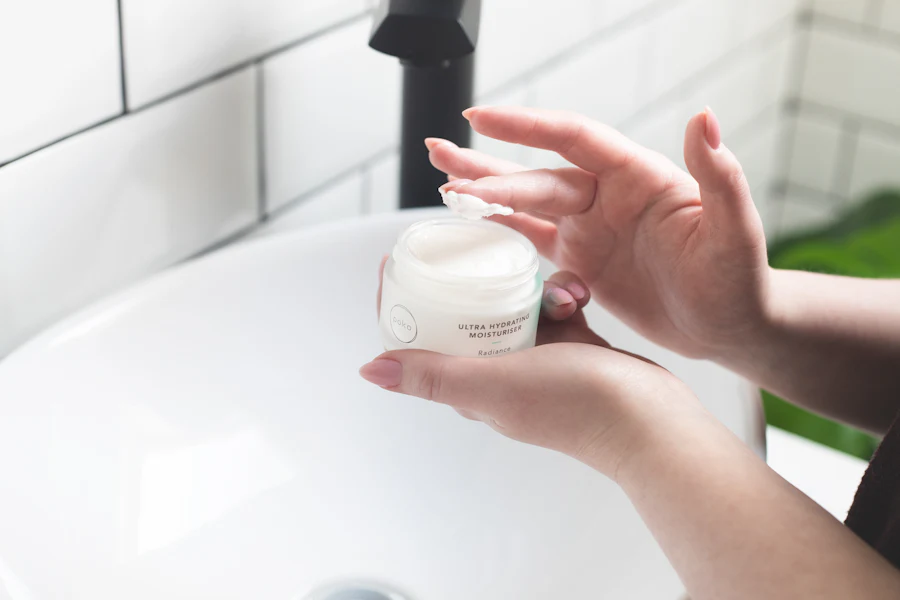
Dry skin is skin that does not make or hold enough natural oil, so it struggles to keep water in. The outermost layer of your skin works like a brick wall: skin cells are the bricks, and a mix of oils and fats, called lipids, is the mortar that seals everything together. When there are not enough lipids, or the wall is damaged, water escapes faster than normal, and irritants get in more easily. That is what makes dry skin feel tight, rough, and sensitive.
Dry skin can be a lasting trait, which is how some people are naturally, or it can be temporary, caused by weather, products, or habits. It is also different from dehydrated skin, which we cover next.
Dry skin vs. dehydrated skin
These two terms are often mixed up, but they describe different problems, and they need different fixes.
- Dry skin is a skin type. It lacks oil. It often feels rough, flaky, and tight all the time, and pores look small.
- Dehydrated skin is a temporary condition. It lacks water. It can happen to any skin type, even oily skin, and shows up as dullness, tightness, fine surface lines, and sometimes oiliness at the same time.
A simple home check is to gently pinch a bit of skin on your cheek. If it looks crinkled or shows lines that slowly settle, your skin is probably dehydrated. If it just feels rough and flaky without the crinkling, dryness is more likely. Many people have both at the same time, and the routine below helps with both.
Signs Your Face Is Dry
- Tightness, especially after washing
- Flaky or scaly patches, often around the nose, cheeks, and forehead
- A rough or sandpaper-like texture
- Dull skin that lacks a healthy glow
- Itching or stinging when you apply products
- Redness or irritation
- Fine lines that look more obvious
- Makeup that clings to patches or looks cakey
What Causes Dry Skin on the Face?
Understanding the cause is half the fix. Dry skin usually comes from a mix of the following.
Cold, dry weather and low humidity
Low humidity pulls water out of the skin. Winter is the classic culprit, but it is not the only one. Boise sits in a high desert with naturally dry air for much of the year, and indoor heating in winter makes the air even drier. Strong wind adds to the problem by stripping moisture from exposed skin.
Hot showers and long baths
Hot water feels wonderful, but it dissolves the oils that protect your skin. Long, hot showers and washing your face with very hot water can leave skin tight and flaky.
Harsh cleansers and over-washing
Foaming cleansers with strong detergents, bar soaps, and alcohol-heavy toners can strip your skin barrier. Washing more than twice a day, or scrubbing, makes things worse.
Over-exfoliating and strong actives
Scrubs, acids, retinoids, and peeling products all remove or loosen the top layer of skin. Used too often or all together, they can leave skin raw and dry. This is one of the most common causes of sudden dryness in people who are otherwise doing everything right.
Age and hormones
Oil production falls with age, which is why skin often gets drier after your thirties and forties. Hormonal changes, including those around menopause, can also reduce oil and moisture.
Sun exposure
Ultraviolet light damages the skin barrier and dries the skin out over time. Daily sunscreen protects not just from sun damage but from this kind of long-term dryness.
Medications and health conditions
Some medications, including certain acne treatments, can dry the skin. Conditions such as eczema, psoriasis, and thyroid problems can also cause persistent dryness. If your dryness is severe or unusual, talk to a doctor.
Lifestyle factors
Not drinking enough water, smoking, alcohol, and poor sleep can all show up in your skin. They are rarely the only cause, but they can make dryness worse.
How to Get Rid of Dry Skin on Your Face: Step by Step
The goal is to repair the barrier, replace lost moisture, and lock it in. Here is a simple plan that works for most people.
Step 1: Switch to a gentle cleanser
Choose a creamy, fragrance-free, non-foaming cleanser, or a cleansing balm or milk. Wash with lukewarm water, not hot, and pat your face dry with a soft towel instead of rubbing. In the morning, many people with dry skin do well with a simple water rinse or a very gentle cleanse. At night, cleanse once properly to remove sunscreen and makeup.
Step 2: Apply moisturizer to damp skin
Skin holds moisture best when you apply products within a minute or so of washing, while it is still slightly damp. That traps water against the skin instead of letting it evaporate. Use a hydrating serum first if you like, then a moisturizer on top.
Step 3: Choose the right moisturizer
Not all moisturizers do the same job. Most effective ones combine three types of ingredients.
- Humectants draw water into the skin. Examples are hyaluronic acid, glycerin, and urea at low strengths.
- Emollients soften and smooth the skin by filling gaps between cells. Examples are ceramides, squalane, and fatty acids.
- Occlusives form a seal on the surface to stop water from escaping. Examples are petrolatum, shea butter, and dimethicone.
For dry skin, look for a cream rather than a light lotion, and consider ceramides, glycerin, and a gentle occlusive. In cold, dry weather, you may want a richer night cream than you use in summer.
Step 4: Seal it in at night
A thin layer of a richer cream, or a small amount of an occlusive balm on the driest areas, helps skin repair overnight. A little goes a long way, because heavy layers can feel greasy and may clog pores in some people.
Step 5: Wear sunscreen every morning
Daily SPF 30 or higher protects the barrier from further damage. If regular sunscreens feel drying, look for a moisturizing formula, and apply it after your moisturizer.
Step 6: Exfoliate gently, if at all
Flaky skin tempts people to scrub, but scrubbing makes dryness worse. While your skin is dry, pause strong exfoliants. Once your barrier feels better, a mild exfoliant once a week can help smooth dead skin so moisturizer works better. Avoid physical scrubs with rough particles.
Step 7: Add a weekly hydrating mask
A creamy hydrating mask once or twice a week gives skin an extra dose of moisture. Look for ingredients like hyaluronic acid, ceramides, or soothing botanicals, and avoid masks that are clay-based or that dry down hard.
Step 8: Support skin from the inside and around you
- Drink water through the day.
- Eat foods rich in healthy fats, such as fish, nuts, seeds, and olive oil.
- Use a humidifier in your bedroom in winter.
- Keep showers short and warm, not hot.
- Avoid sitting directly beside heaters or vents.
Ingredients That Help Dry Skin
- Hyaluronic acid: holds water in the skin. Works best layered under a moisturizer.
- Glycerin: a reliable, gentle humectant found in many products.
- Ceramides: lipids that help rebuild the skin barrier.
- Squalane: a light emollient that softens without feeling heavy.
- Niacinamide: supports the barrier and helps with redness and dullness.
- Panthenol (vitamin B5): soothes and supports healing.
- Shea butter and petrolatum: rich occlusives for very dry areas.
- Colloidal oatmeal: calming for irritated, itchy skin.
Ingredients and Habits That Make Dry Skin Worse
- Alcohol-heavy toners and astringents
- Strongly fragranced products and essential oils
- Physical scrubs and cleansing brushes
- Frequent use of strong acids and retinoids
- Foaming cleansers with harsh detergents
- Hot water and long showers
- Picking at flakes or peeling skin
- Skipping moisturizer because skin “feels oily” in places
- Sleeping with the heater blowing on your face
Dry Skin in Boise: Seasonal Care
Boise’s high-desert climate means dry air for much of the year, with big swings between hot summers and cold winters. Your routine should shift with the seasons.
Winter
This is the toughest season for dry skin. Cold air outside and heated air inside both pull moisture from your face. Switch to a richer cream, add a hydrating serum, use a humidifier at night, and reduce exfoliation. Protect your face from wind with a scarf, and apply moisturizer before going outdoors.
Spring and fall
Temperature changes can unsettle skin. This is a good time to reset: simplify your routine, add a weekly mask, and consider a professional hydrating facial before winter begins.
Summer
Sun, heat, air conditioning, and swimming can leave skin dehydrated even if you feel oily. Use a lighter moisturizer, keep up daily sunscreen, and rinse chlorine off after swimming.
Makeup for Dry Skin
Dry skin makes makeup look patchy, but a few tweaks help. Prep with a hydrating serum and moisturizer, give them a few minutes to settle, then use a hydrating primer, a satin or dewy foundation, and cream blush instead of heavy powders. Avoid layering too much powder, which highlights flakes. Our guide to making your makeup last all day has a section on dry skin, and our everyday makeup service can build a look that sits well on skin that runs dry.
Professional Treatments for Dry Skin
Home care does most of the work, but professional treatments can give dry, dull skin a real boost, as long as they are chosen with dryness in mind.
Hydrating facials
A classic facial cleanses, gently exfoliates, and finishes with a nourishing mask, which suits dry skin well. A classic facial generally runs about $75 to $120. Many people with dry skin book one before winter and again in early spring. Our guide on how often to get a facial suggests every 6 to 8 weeks for dry or sensitive skin.
HydraFacial
The HydraFacial cleanses, exfoliates, and infuses hydrating serums with no real downtime. It is a popular pick for dull, dehydrated skin, and many clients like it a week or so before an event.
Treatments to be careful with
When your skin is already dry or irritated, stronger treatments can make things worse. A chemical peel or microneedling works best on skin with a healthy barrier, so it is better to repair your skin first. Tell your esthetician about any flaking, stinging, or redness before a treatment, and follow their advice about timing.
When Dry Skin Is More Than Dry Skin
Most dryness responds to the steps above within two to four weeks. But sometimes it is a sign of something else. See a doctor or dermatologist if:
- Your skin is red, itchy, cracked, or painful
- You have thick, scaly patches that do not improve with moisturizer
- There is oozing, crusting, or signs of infection
- Dryness started suddenly, with no clear cause
- You also have swelling, fatigue, or other symptoms that worry you
- Over-the-counter products make the problem worse
Conditions such as eczema (atopic dermatitis), seborrheic dermatitis, psoriasis, rosacea, and contact allergies can all look like dry skin, and they need proper medical care. An esthetician can support healthy skin, but a facial is not a medical treatment, and a good one will tell you honestly when something is outside what they can help with.
A Simple Morning and Night Routine for Dry Skin
Morning
- Rinse with lukewarm water or use a gentle cream cleanser.
- Pat skin dry, leaving it slightly damp.
- Apply a hydrating serum, such as hyaluronic acid.
- Apply a ceramide or glycerin-rich moisturizer.
- Finish with a broad-spectrum sunscreen of SPF 30 or higher.
Night
- Remove sunscreen and makeup with a balm or micellar water, then cleanse gently.
- Apply a hydrating serum to damp skin.
- Use a richer moisturizer or night cream.
- Seal very dry areas with a thin layer of an occlusive balm.
- Once or twice a week, swap in a hydrating mask.
If you use retinoids or exfoliating acids, introduce them slowly, one at a time, on non-consecutive nights, and stop them temporarily if your skin gets irritated.
How Long Does It Take to Fix Dry Skin?
Skin renews itself over roughly a month, so give any new routine at least two to four weeks. You should feel less tightness within a few days of better moisturizing, while flakes and roughness take longer to clear. If your skin has not improved after four to six weeks of consistent care, it is time to get it checked.

Common Myths About Dry Skin
“Drinking more water will fix dry skin”
Staying hydrated is healthy, but water alone rarely fixes dry skin. The barrier problem is on the surface, so topical care matters most.
“Oily skin cannot be dry”
Oily skin can still be dehydrated. If your skin is shiny but tight and dull, it may need water-based hydration, not more oil control.
“Natural oils are always better”
Some oils help, but others can irritate or clog pores, and an oil alone does not add water. A mix of humectants, emollients, and occlusives works better than one ingredient.
“The more products, the better”
Layering too many actives can irritate dry skin. A short, consistent routine usually beats a long one.
“Flaky skin needs scrubbing”
Scrubbing damages the barrier and increases dryness. Hydrate first, and exfoliate gently only when the skin is calm.
Frequently Asked Questions
Why is my face so dry even though I moisturize?
Common reasons are the wrong type of moisturizer, applying it to completely dry skin, over-exfoliating, using a harsh cleanser, or dry indoor air. Switch to a gentle cleanser, apply cream to damp skin, and look for ceramides and glycerin.
What is the fastest way to fix dry, flaky skin on the face?
Stop using scrubs and strong actives, cleanse gently, apply a hydrating serum and a rich moisturizer to damp skin, and seal with a thin occlusive at night. Most people feel relief within a few days and see smoother skin within a couple of weeks.
Is hyaluronic acid good for dry skin?
Yes, it draws water into the skin, but it works best when layered under a moisturizer that keeps the water from evaporating.
Should I use oil on dry skin?
A light oil or an oil-based moisturizer can help seal in moisture, but it should be applied over water-based hydration. If you are acne-prone, patch test first.
Can dry skin cause wrinkles?
Dryness makes fine lines look more obvious, but it does not by itself cause wrinkles. Keeping skin hydrated and protected from the sun helps reduce how visible they are.
How often should I get a facial if I have dry skin?
Every 6 to 8 weeks is a good starting point, with gentle, hydrating treatments. Your esthetician can adjust based on how your skin looks and feels.
Ready to Restore Your Skin’s Glow?
If your skin is dry, dull, or just not responding to what you have tried, a professional assessment can show what it really needs. We will look at your skin, talk through your routine, and recommend treatments that repair, not irritate. Browse our facial services in Boise, check our pricing, or book your appointment and we will take it from there.