
Subtotal $0.00






Those tiny dark dots across your nose are among the most common skin concerns there is, and also among the most misunderstood. If you are searching for how to get rid of blackheads on your nose, the honest answer is that you can clear most of them and keep them away, but squeezing is not how. The reliable approach is a gentle routine with the right exfoliating ingredient, steady consistency over several weeks, and an occasional professional extraction when pores are packed.
This guide explains what blackheads actually are, why the nose is the usual target, which home treatments really work, which popular hacks do more harm than good, and what a professional can do that you cannot. It also covers prevention, because blackheads come back unless the cause is managed. If you are still building your basic routine, start with our skincare routine basics guide and return here for the specifics.
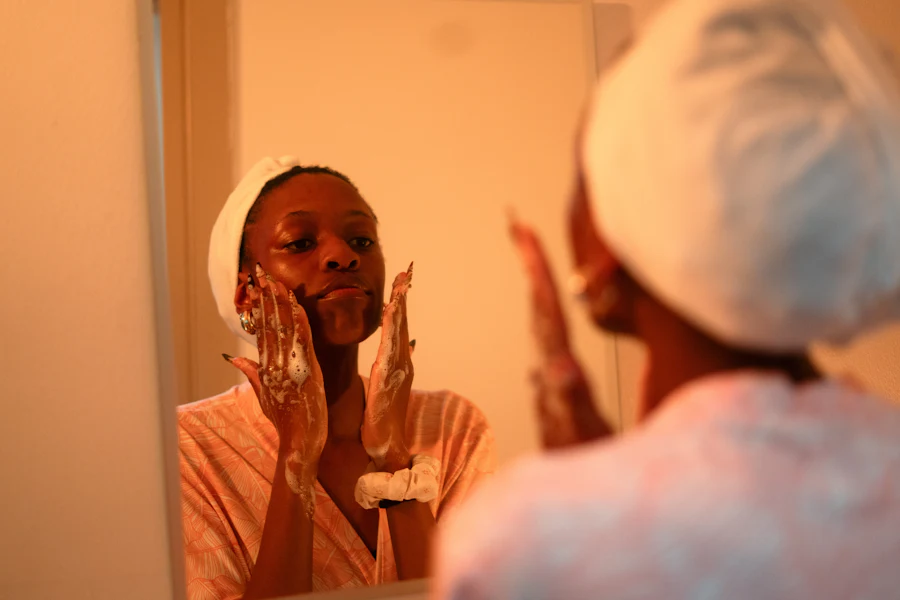
What Are Blackheads?
A blackhead is a type of mild acne called an open comedone. Each pore is a small opening that holds a hair follicle and an oil gland. The gland makes sebum, a natural oil that keeps skin supple. When sebum mixes with dead skin cells and fills the pore, it forms a plug. In a blackhead, the top of that plug stays open to the air.
The dark color is not dirt. It happens because the exposed material reacts with oxygen and darkens, in the same way a cut apple turns brown. This matters, because it means that scrubbing harder does not wash blackheads away. The plug sits inside the pore, not on the surface.
Blackheads vs. whiteheads vs. sebaceous filaments
These three are often confused, and they need slightly different handling.
- Blackheads: open, dark plugs of oil and dead skin. They can be slightly raised, and they may feel rough to the touch.
- Whiteheads: closed comedones, where the pore is covered by a thin layer of skin, so the plug looks white or skin colored.
- Sebaceous filaments: tiny, pale gray or tan threads of sebum lining the pore. They are normal. Everyone has them, and they refill within days of being removed. Many people mistake them for blackheads and spend months trying to remove something that cannot be permanently removed.
A quick way to tell the difference is the look. Blackheads are darker and slightly raised. Filaments are lighter, flat, and evenly spaced like a pattern of dots, especially around the nose.
Why Do Blackheads Form on the Nose?
The nose has some of the largest and most active oil glands on the face, which is why this is the classic blackhead zone. Several factors work together.
Larger, oilier pores
Pores on the nose and central face tend to be larger and produce more sebum than those on the cheeks. Larger pores hold bigger plugs, and the plugs are easier to see.
Dead skin buildup
Skin sheds constantly. When dead cells do not shed evenly, they stay on the surface and drift into pores, where they bind with oil. Gentle, regular exfoliation helps keep that cycle moving.
Hormones
Hormonal shifts during puberty, the menstrual cycle, pregnancy, and stress can increase oil production. This is why blackheads often flare at predictable times.
Heavy products and makeup
Thick creams, rich oils, and heavy foundations can contribute to clogged pores in some people, especially if they are not removed thoroughly each night. Look for products labeled non-comedogenic. For help with makeup that behaves, see our guide to making your makeup last all day, which also covers prep that suits oily skin.
Harsh skincare that backfires
Over-washing, stripping cleansers, and harsh scrubs can dry the surface and trigger the skin to make more oil in response. They also irritate the pore lining. More aggressive care often means more blackheads, not fewer.
Genetics
Pore size and oil output are partly inherited. If your parents had oily, blackhead-prone skin, you are more likely to as well. That does not mean you cannot manage it. It does mean that results come from steady maintenance, not one-time fixes.
What Not to Do: Blackhead Mistakes to Avoid
Before the fixes, here are the habits that make blackheads worse or leave lasting marks.
- Squeezing with your fingers or nails. This pushes debris deeper, can tear the pore wall, and often leaves red marks or scars. It can also spread bacteria.
- Pore strips used constantly. They lift the top of a plug but not the whole thing, and they can irritate skin. Used often, they can stretch and inflame the pore.
- Harsh physical scrubs. Gritty scrubs scratch the surface without clearing what is deep inside the pore.
- Toothpaste, baking soda, and lemon juice. These are popular online hacks, but they disrupt skin pH and can cause burns, dryness, and dark marks.
- Metal extraction tools at home. Used without training, they bruise skin and leave scars. They are also easy to contaminate.
- Skipping moisturizer because skin is oily. Dehydrated skin can produce even more oil. Oily skin still needs a light moisturizer.
- Washing too many times a day. Twice is plenty. More than that strips the skin barrier.
How to Get Rid of Blackheads on Your Nose at Home
Clearing blackheads is a slow process, because you are changing how the pore sheds and fills. Expect visible improvement in about four to eight weeks, not overnight. Here is a routine that works for most people.
Step 1: Cleanse gently, twice a day
Use a gentle gel or lightweight cream cleanser morning and night. Wash with lukewarm water and pat dry. In the evening, remove sunscreen and makeup first, since leftover product is a common cause of clogged pores. A cleansing balm or micellar water works well before the main cleanse.
Step 2: Add salicylic acid (BHA)
Salicylic acid is the best-known ingredient for blackheads. It is oil soluble, which means it can travel into the pore and dissolve the mix of oil and dead cells that forms the plug. Look for a 0.5 to 2 percent cleanser, toner, or leave-on treatment. Start two or three nights a week, then build up if your skin tolerates it. Stop or reduce if you notice stinging, peeling, or tightness.
Step 3: Consider other helpful exfoliants
- Lactic and glycolic acid (AHAs): loosen dead skin on the surface so pores shed more evenly. Lactic acid is gentler.
- Azelaic acid: helps with clogged pores and redness and is often well tolerated.
- Retinoids (such as adapalene): speed up skin renewal and are among the most effective long-term treatments for comedones. They can irritate at first, so introduce them slowly and ask a pharmacist or doctor if unsure. Do not combine several strong actives on the same night.
Pick one main active at first. Adding too much too soon is the fastest way to damage the barrier and end up with a worse complexion.
Step 4: Use niacinamide
Niacinamide, a form of vitamin B3, helps regulate oil, supports the skin barrier, and can make pores look smaller over time. It is well tolerated and pairs easily with most other ingredients, so it is a good daily addition.
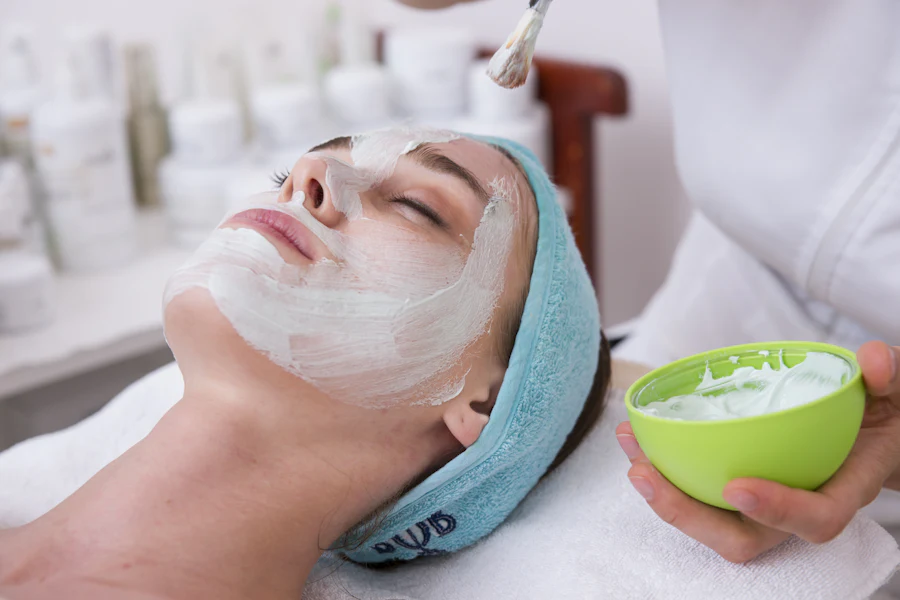
Step 5: Try a clay mask once a week
A clay mask can absorb surface oil and leave skin feeling clearer. Use it once a week, not daily, and moisturize afterward. Clay does not remove blackheads on its own, but it supports the rest of the routine.
Step 6: Moisturize, even if you are oily
Choose a lightweight, oil-free, non-comedogenic gel or lotion. A well-moisturized barrier regulates oil better than a stripped one. If your skin also feels tight or flaky from active ingredients, see our guide on getting rid of dry skin on the face for how to repair it.
Step 7: Wear sunscreen every morning
Many exfoliating ingredients make skin more sensitive to sun. A daily broad-spectrum SPF 30 or higher protects your results and prevents dark marks from fading slowly. Choose a light, non-comedogenic formula.
Step 8: Be patient and consistent
Blackheads form over weeks, and they clear over weeks. Judge your routine after at least a month. If nothing improves after eight to twelve weeks of steady use, ask a dermatologist about prescription options.
Sample Routine for Blackhead-Prone Skin
Morning
- Rinse or cleanse with a gentle gel cleanser.
- Apply a niacinamide serum.
- Apply a light, oil-free moisturizer.
- Finish with a non-comedogenic sunscreen.
Evening
- Remove sunscreen and makeup with a balm or micellar water.
- Cleanse with a gentle gel cleanser.
- Apply salicylic acid or another exfoliant two to three nights a week.
- Moisturize with a light cream or gel.
Weekly
- One clay mask.
- Clean pillowcases, towels, and makeup brushes regularly.
Do Pore Strips, Steam, and Home Extractors Work?
Pore strips
They can pull out the top of a blackhead and give a satisfying result, but the plug usually refills within days. Occasional use is unlikely to hurt, but frequent use can irritate and enlarge pores. They are a quick cosmetic fix, not a solution.
Steam
Warm steam can soften the surface and make skin feel clean, but it can also trigger redness and dryness, especially if you have sensitive skin. It is optional, and not necessary for results.
Home extraction tools
Metal loops and vacuum tools are sold widely, but they carry a real risk of bruising, broken capillaries, and scarring. Professional extraction is done with proper sanitation, skin prep, and technique, which is why it works better and is safer.
Charcoal and peel-off masks
Peel-off masks can feel satisfying but offer little more than temporary surface cleansing, and they can irritate delicate skin. If you like them, use them rarely.
Professional Treatments for Blackheads
If your blackheads are stubborn, or if you simply want a deeper clean, an esthetician can help in ways that home care cannot. Professional treatments soften the plugs, remove them safely, and tailor care to your skin type.
Facials with extractions
A classic facial includes cleansing, gentle exfoliation, steam, and extractions where needed, followed by a mask. It is a good first step for congested skin, and a classic facial generally runs about $75 to $120. Our guide on how often you should get a facial suggests a schedule that suits oilier, congested skin.
HydraFacial
The HydraFacial cleanses, exfoliates, and gently vacuums out pores before infusing hydrating serums. It is a popular option for dull, congested skin with little downtime.
Chemical peels
A chemical peel uses acids to dissolve dead skin and loosen clogged pores. Peels can be especially helpful when blackheads come with uneven texture. They are not suitable for everyone, so your esthetician will assess your skin first.
Microneedling
Microneedling is more commonly used for texture, scars, and fine lines than for blackheads, and it works best on skin that is calm and healthy. If you are interested, our microneedling guide explains sessions, results, and recovery.
How to Prevent Blackheads From Coming Back
Even after a clean-out, oil keeps being produced and skin keeps shedding. Prevention is about keeping pores clear on a steady schedule.
- Keep a simple routine you can repeat. A gentle cleanser, one exfoliating active, a light moisturizer, and sunscreen beat a crowded shelf of products.
- Exfoliate on a schedule. Two or three times a week with a chemical exfoliant is usually enough. More is not better.
- Never sleep in makeup or sunscreen. Leftover product mixes with oil overnight and clogs pores.
- Choose non-comedogenic products. This applies to moisturizer, sunscreen, foundation, and hair products that touch the forehead and hairline.
- Change pillowcases and wash makeup brushes. Oil, product, and bacteria build up quickly.
- Do not touch your face. Hands transfer oil and bacteria to the nose and chin all day.
- Book regular professional facials. A facial every four to six weeks keeps pores clear and lets a professional adjust your plan as your skin changes.
Do Diet and Lifestyle Affect Blackheads?
The link between food and acne is still being studied, and the evidence is mixed. Some people notice more breakouts with high-sugar or high-dairy diets, while others see no change at all. If you suspect a food trigger, you can keep a simple diary for a few weeks and see whether a pattern appears. Do not cut out whole food groups without advice.
Lifestyle habits that tend to help overall skin health include sleeping enough, managing stress, drinking water, and avoiding smoking. They will not clear blackheads alone, but they support the skin while your routine does the work.
Skin Type Matters: Adjusting for Oily, Dry, and Sensitive Skin
Oily skin
Oily skin makes blackheads more easily, so salicylic acid and a retinoid can be more helpful. Still use a light moisturizer to avoid rebound oil.
Dry or dehydrated skin
Dry skin can still get blackheads, especially if flaking skin blocks pores. Use gentler exfoliants such as lactic acid, avoid stripping cleansers, and focus on barrier repair so actives are tolerated.
Sensitive skin
Start with a low-strength product once a week, patch test first, and go slowly. Azelaic acid and niacinamide are often better tolerated than strong acids. If skin burns or turns red, stop and let it recover.
Combination skin
Treat the nose and forehead more actively and keep the cheeks gentle. Apply exfoliants where you need them rather than across the entire face.
Common Myths About Blackheads
“Blackheads are dirt”
They are not. The dark color comes from oxidation of the trapped oil and skin cells, not from dirt. Scrubbing harder does not clean them out.
“Pores can open and close”
Pores do not have muscles, so they cannot open or close. Heat can soften plugs and cold can make skin feel tighter, but neither changes pore size permanently.
“You can shrink pores permanently”
Pore size is largely genetic. You can make pores look smaller by keeping them clear, using retinoids and niacinamide, and protecting skin from the sun, but you cannot change their basic structure.
“Oily skin does not need moisturizer”
It does. Skipping moisturizer can leave the barrier dry and signal the skin to produce even more oil.
“Only teenagers get blackheads”
Blackheads can appear at any age. Hormones, stress, products, and genetics all play a part in adults.
When to See a Dermatologist
Most blackheads respond to a steady routine, but see a doctor or dermatologist if:
- You have many inflamed, painful, or deep bumps along with blackheads
- Your skin is not improving after two to three months of consistent care
- Breakouts leave dark marks or scars
- Over-the-counter products cause burning, swelling, or a rash
- You suspect a hormonal or medical cause behind sudden changes
A dermatologist can prescribe stronger treatments and rule out other conditions. An esthetician can support healthy skin and manage congestion, but a facial is not a medical treatment, and a good one will tell you honestly when something falls outside what they can help with.
How Long Does It Take to Clear Blackheads?
Most people see softer, clearer skin in about two to four weeks and a real reduction in blackheads in about six to eight weeks. A professional extraction gives instant results, but without maintenance the pores refill within weeks. The best results come from combining home care with periodic professional treatment.
Frequently Asked Questions
How do you get rid of blackheads on your nose fast?
For a fast result, a professional facial with extractions clears them safely in one visit. At home, use a salicylic acid product a few nights a week, keep skin moisturized, and avoid squeezing. Home results take several weeks.
Is it safe to squeeze blackheads?
It is best not to. Squeezing can push debris deeper, cause inflammation, and leave marks or scars. If you must remove one, leave it to a trained esthetician.
Why do I keep getting blackheads on my nose?
The nose has large, oil-rich pores, so plugs form easily. Hormones, heavy products, and incomplete cleansing can all add to it. Consistent exfoliation and a non-comedogenic routine keep it under control.
Do blackheads go away on their own?
Sometimes they clear, but they often come back, because the cause is ongoing oil production and dead skin buildup. A regular routine is the reliable fix.
Are sebaceous filaments the same as blackheads?
No. Sebaceous filaments are normal, pale threads of oil that line the pore and refill quickly. Blackheads are darker, raised plugs. Filaments cannot be permanently removed, but they can be made less noticeable.
How often should I get a facial for blackheads?
Every four to six weeks is a good starting point for congested skin, adjusted by your esthetician to how your skin responds.
Ready for Clearer, Calmer Skin?
If blackheads keep coming back, a professional assessment can show what your skin really needs. We will look at your skin, talk through your routine, and recommend treatments that clear pores without irritating them. Browse our facial services in Boise, check our pricing, or book your appointment and we will take it from there.