
Subtotal $0.00



You book a wax, walk out feeling smooth, and a week later there are small red bumps with a dark hair curled underneath. If you are searching for how to get rid of ingrown hairs after waxing, the short answer is this: keep the area clean, apply gentle warmth, exfoliate lightly once the skin has calmed down, and let the hair work its way out instead of digging at it. Most ingrown hairs clear up on their own within one to two weeks, and the right routine makes them far less likely to come back.
This guide explains why ingrown hairs happen after waxing, how to tell them apart from other bumps, what actually helps, what to avoid, and when it is time to see a doctor. It also covers prevention, because the best fix is not getting them in the first place. If you are still deciding between hair removal methods, our comparison of waxing vs. shaving is a good place to start.

What Is an Ingrown Hair?
An ingrown hair is a hair that grows back into the skin instead of up and out of it. Instead of breaking through the surface, the tip curls sideways or bends back and pushes into the skin. Your body treats the trapped hair like a tiny splinter, so the area becomes red, raised, and sometimes sore. You may see a small bump that looks like a pimple, and often you can spot the hair as a dark line or loop just under the surface.
Ingrown hairs can appear anywhere hair is removed, but they are most common on the bikini line, underarms, legs, upper lip, chin, and neckline. They are not dangerous in most cases, but they can be uncomfortable, and picking at them can lead to marks or infection.
Why Do Ingrown Hairs Happen After Waxing?
Waxing removes the hair from the root, so the new hair has to grow back through the follicle opening. When something blocks that opening, or when the new hair is weak, fine, or curly, it can turn and grow sideways under the skin. Here are the usual causes.
Dead skin cells blocking the follicle
Your skin constantly sheds dead cells. If they build up over a follicle, the new hair cannot break through and starts to curl. This is the single most common reason, and it is why regular gentle exfoliation matters so much.
Curly or coarse hair
Hair that grows in a tight curl is more likely to bend back toward the skin. If you have naturally curly or coarse hair, you may be more prone to ingrowns no matter which hair removal method you use, so aftercare matters even more for you.
Tight clothing and friction
Tight leggings, underwear, and gym clothes rub against freshly waxed skin and push new hairs sideways. Sweat trapped against the skin makes it worse. This is why many people see bumps a few days after a workout in tight clothes.
Heat, creams, and exfoliating too early
Hot showers, saunas, heavy creams, and scrubs right after a wax can irritate the follicles and cause swelling that traps hairs. The skin needs a short rest first.
Hair that regrows unevenly
Sometimes a hair breaks during waxing instead of coming out whole, or the regrowth is too fine to push through. Hair that is cut or broken below the skin can also curl. Proper prep and a skilled application reduce this, which is one reason technique matters.
Picking and scratching
Touching or squeezing the area introduces bacteria and causes more inflammation. It also raises the chance of dark marks that last long after the bump is gone.
How to Tell If It Is an Ingrown Hair
Not every bump after waxing is an ingrown hair. Knowing the difference helps you treat it correctly.
- Ingrown hair: a single raised bump, often with a visible hair trapped beneath the surface. It may itch or feel tender.
- Razor bumps: clusters of small red bumps, usually after shaving, caused by sharp hair tips re-entering the skin. They are the same basic problem but more common with shaving.
- Folliculitis: red, sometimes pus-filled bumps around many follicles, caused by irritation or infection of the follicle. It can look like a rash of small pimples.
- Normal post-wax redness: flat or lightly raised pink skin and tiny bumps that appear right after waxing and fade within a day or two. This is not an ingrown hair.
- Heat rash or an allergic reaction: widespread itchy redness that appears quickly. Rinse the area, avoid new products, and see a doctor if it spreads.
If the bumps are painful, spreading, filled with pus, or accompanied by fever, treat them as something more than a simple ingrown hair and have them checked.
How Long Do Ingrown Hairs Last?
A mild ingrown hair usually clears in about five days to two weeks. Deeper ones can take longer, especially if they have been picked or irritated. The mark left behind, a darker or pink patch, can linger for weeks or months, particularly on deeper skin tones, which is another reason to avoid squeezing. Gentle care speeds healing and reduces the chance of scars or dark spots.
How to Get Rid of Ingrown Hairs After Waxing: Step by Step
The goal is to calm the skin, soften the surface, and give the hair a clear path out. Be patient, because gentle care works better than aggressive treatment.
Step 1: Leave it alone and keep it clean
Wash the area once or twice a day with lukewarm water and a mild, fragrance-free cleanser. Pat dry with a clean towel. Do not squeeze, scratch, or dig at the bump, even if you can see the hair. This is the hardest rule to follow and the most important one.
Step 2: Use a warm compress
Hold a clean washcloth soaked in warm, not hot, water against the bump for five to ten minutes, two or three times a day. Warmth softens the skin, relaxes the follicle, and often helps the hair loosen and rise to the surface on its own.
Step 3: Exfoliate gently, once the skin has calmed
After the first two or three days, when redness and tenderness have settled, begin gentle exfoliation. You have two good options.
- Physical exfoliation: a soft washcloth, a very soft brush, or an exfoliating mitt used in small circles with light pressure two to three times a week.
- Chemical exfoliation: a mild product with salicylic acid, glycolic acid, or lactic acid, used a few times a week. These dissolve the dead skin that blocks follicles. Start slowly, and stop if the skin stings or peels.
Use one method at a time, not both on the same day. Exfoliating too hard or too often makes bumps worse, because it irritates the follicle and can cause swelling.
Step 4: Moisturize
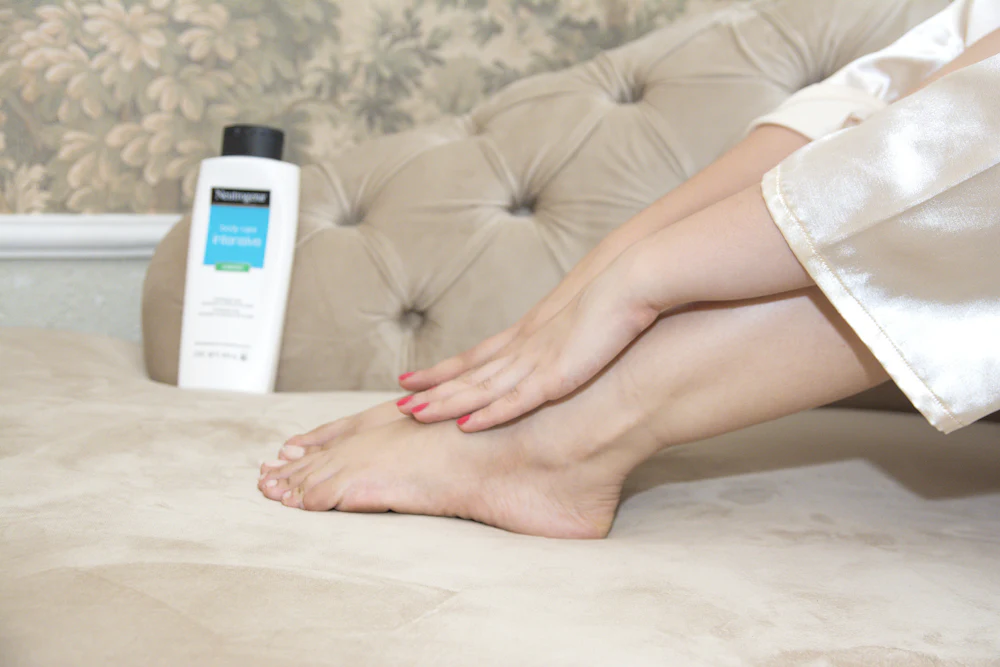
Dry, tight skin makes it harder for hairs to surface. Apply a light, fragrance-free moisturizer after washing. Look for glycerin, ceramides, aloe, or colloidal oatmeal, which soothe without clogging pores. Avoid heavy butters and oils directly on the bumps.
Step 5: Calm redness and itching
If the area is itchy or inflamed, a thin layer of over-the-counter 1 percent hydrocortisone cream for a few days can help settle redness. Use it sparingly and only on unbroken skin. Do not use it for longer than the label allows, and ask a pharmacist if you are unsure.
Step 6: Release the hair only if it is clearly visible
If the hair is already looped near the surface and the skin is open, you can gently lift the tip with a clean, sterilized tool, such as tweezers wiped with rubbing alcohol. Only lift the loop. Never dig, never pull the hair out from under the skin, and never pierce unbroken skin. If you cannot easily see the hair, leave it, and let warmth and exfoliation do the work.
Step 7: Protect the area from friction
Wear loose, breathable clothing, change out of sweaty gym clothes quickly, and avoid shaving or waxing the same spot until the bump has completely healed.

What Not to Do With an Ingrown Hair
- Do not pick, squeeze, or pop it. This pushes bacteria deeper and raises the risk of infection and scarring.
- Do not shave over it. A razor can slice the hair or irritate the area further.
- Do not wax over it. Waxing inflamed skin can tear it and make the problem worse. Wait until the area has healed.
- Do not use harsh scrubs. Rough salt or sugar scrubs with large crystals can create tiny tears.
- Do not layer strong actives. Mixing retinoids, acids, and scrubs on the same bump can burn the skin.
- Do not use thick oils or heavy creams on active bumps. They can trap sweat and bacteria.
- Do not ignore signs of infection. Pain, swelling, warmth, and pus mean it is time for medical advice.
Ingredients That Help With Ingrown Hairs
- Salicylic acid: a gentle exfoliant that works inside the pore and helps clear the follicle opening.
- Glycolic acid and lactic acid: exfoliate the surface so hairs can break through. Lactic acid is usually gentler.
- Aloe vera: soothes redness and tightness.
- Colloidal oatmeal: calms itching and irritation.
- Glycerin and ceramides: keep skin soft and flexible so hairs can surface.
- Tea tree oil, diluted: sometimes used for its cleansing properties, but it can irritate sensitive skin, so patch test first.
If you have sensitive skin or a skin condition, check with a doctor or esthetician before adding exfoliating acids.
How to Prevent Ingrown Hairs After Waxing
Prevention is simpler than treatment, and it starts before you ever lie on the table. These habits make the biggest difference.
Before your appointment
- Let your hair grow to the right length. Hair that is too short will not wax well and may break. A length of about a quarter inch, roughly the size of a grain of rice, is the usual guideline.
- Exfoliate gently a day or two before. This clears dead skin so the wax grips the hair, not the skin.
- Skip lotions and oils on the day. Clean, dry skin gives the best results.
- Avoid sun and tanning beforehand. Sun-sensitive skin reacts more strongly to waxing.
- Tell your esthetician about medications. Some acne medicines, retinoids, and exfoliating treatments make skin more fragile.
In the first 48 hours
- Keep the area cool and clean. Avoid hot showers, baths, saunas, and hot tubs.
- Skip tight clothing. Choose loose, breathable fabrics.
- Avoid the gym and sweating. Sweat and friction irritate open follicles.
- No scrubs, no sun, no heavy creams. Use only a gentle, soothing product.
- Do not touch the skin. Hands carry bacteria.
From day three until your next wax
- Exfoliate two to three times a week. Gentle, regular exfoliation is the best defense against ingrowns.
- Moisturize daily. Soft skin lets hairs through.
- Use a targeted ingrown hair product. Many contain salicylic or glycolic acid, used a few times a week.
- Stick to your schedule. Waxing every four to six weeks keeps regrowth even and trains the hair to grow finer.
Ingrown Hairs by Body Area
Different areas need slightly different care, because skin thickness, hair type, and friction vary across the body.
Bikini line
This is the most common trouble spot. The hair is coarse and curly, the skin is thin, and clothing rubs constantly. Wear breathable cotton, avoid tight underwear for a couple of days, and use only mild, fragrance-free products on the area. Never use strong acids on delicate skin without advice. If bumps keep coming back in this area, speak with your esthetician about technique and timing.
Underarms
Sweat and friction make underarms prone to bumps. Skip deodorant with alcohol or strong fragrance for the first day, shower after workouts, and exfoliate gently once the skin has calmed.
Legs
Legs have the most room for error, since friction from clothing is constant. Moisturize daily and avoid tight leggings right after waxing. Dry brushing or a soft mitt a few times a week keeps follicles clear.
Face, lip, and chin
Facial skin is delicate, so keep exfoliation extra gentle and avoid harsh acids. Do not pick at bumps on the face, as this can leave marks. If you also use retinoids or acne treatments, tell your esthetician before a facial wax. Our guide to dry skin on the face explains how to keep the skin barrier healthy, which also helps hairs surface cleanly.
Does Professional Waxing Cause Fewer Ingrown Hairs?
It can. A trained esthetician prepares the skin, applies wax in the direction of hair growth, removes it quickly in the opposite direction, and uses techniques that reduce hair breakage. Good technique means fewer broken hairs under the skin, which are a major cause of ingrowns. They will also give aftercare advice that fits your skin type and the area treated.
That said, no method removes the risk completely. Even a perfect wax can be followed by a few ingrown hairs if you have curly hair, sensitive skin, or friction from clothing. What changes is how often it happens and how well you manage it. If you would like a professional to handle it, browse our waxing services in Boise, and tell us about past ingrown hair problems so we can adjust the approach.
Skin health matters too. Dry, flaky skin makes follicle blockage more likely, which is why our skincare routine basics guide is worth reading. A regular facial can help keep skin smooth and clear, and our post on how often you should get a facial explains a good schedule.

When Should You See a Doctor?
Most ingrown hairs are harmless, but see a doctor or dermatologist if:
- The bump is very painful, swollen, hot to the touch, or filled with pus
- Redness is spreading beyond the area, or you have a fever
- You have many bumps that keep returning despite good care
- The area leaves dark marks or scars
- A large, deep, tender lump forms
- You have a condition that affects healing, such as diabetes, or a weakened immune system
A doctor can drain a deep ingrown hair safely, prescribe a topical or oral treatment for infection, or suggest longer-term hair removal options if ingrowns are a constant problem. An esthetician can help with prevention and aftercare, but they cannot diagnose or treat infections.
Common Myths About Ingrown Hairs
“Waxing is the cause”
Waxing can lead to ingrown hairs, but so can shaving, threading, plucking, and even not removing hair at all. The method is only part of the story. Skin prep, hair type, and aftercare matter just as much.
“You should dig the hair out”
Digging creates tiny wounds, which can lead to infection and scarring. Only lift a hair that is already clearly at the surface.
“Scrubbing hard prevents them”
Harsh scrubbing irritates follicles and can cause more bumps. Gentle, regular exfoliation works better.
“Ingrown hairs mean waxing is not right for you”
Not at all. Many people with curly hair wax successfully with good prep and aftercare. If ingrowns keep happening, talk to your esthetician about adjusting your routine.
“Ingrown hairs only happen to women with coarse hair”
Anyone can get them, with any hair type. Coarse or curly hair simply raises the odds.
Frequently Asked Questions
How do you get rid of ingrown hairs after waxing fast?
Use a warm compress for five to ten minutes a few times a day, keep the area clean, and begin gentle exfoliation once the skin has calmed. Avoid picking. Most mild ingrown hairs improve within a week or two.
How long after waxing do ingrown hairs appear?
They usually show up a few days to two weeks after waxing, as new hair begins to grow back and meets blocked or irritated follicles.
Can I exfoliate right after waxing?
No. Wait about 48 to 72 hours so the skin can recover. After that, exfoliate gently two to three times a week.
Should I wax again if I have an ingrown hair?
Wait until the bump has fully healed. Waxing over inflamed skin can tear it and make the problem worse.
Do ingrown hairs go away on their own?
Usually yes. Many surface on their own within one to two weeks. If one is painful, infected, or does not improve, see a doctor.
How can I stop ingrown hairs from coming back?
Exfoliate gently on a regular schedule, moisturize daily, wear loose clothing after waxing, avoid picking, and stick to a consistent waxing schedule. Professional technique helps too.
Ready for Smoother, Calmer Skin?
If ingrown hairs keep spoiling your results, the right prep and technique can make a real difference. Our team can talk through your skin and hair type, explain aftercare, and wax with care. Explore our waxing services, check our pricing, or book your appointment and we will take it from there.

Waxing Vs. Shaving: Which One Actually Wins? Find Out & Book Today - The Glow Room
October 10, 2026 - 6:09 am[…] How to Get Rid of Ingrown Hairs After Waxing: […]