
Subtotal $0.00





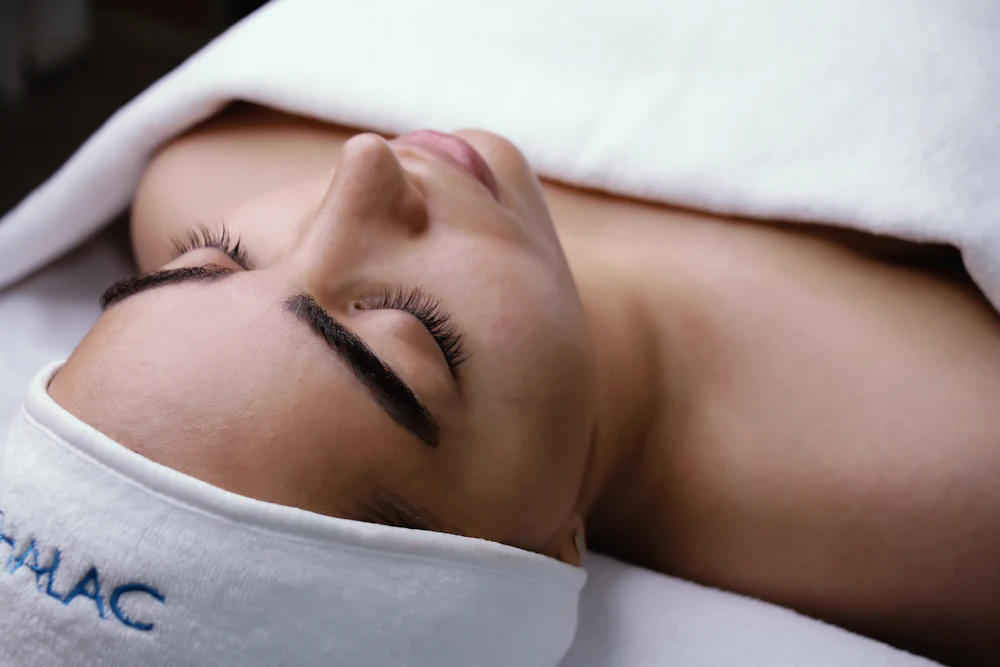
Microneedling has become one of the most talked-about skin treatments, and the questions people ask are always the same: how many sessions do I actually need, when will I see results, and how long will my skin look red? The honest answer to the first question is that most people need a series of about four to six sessions, spaced a few weeks apart, with visible improvement building over the following months rather than overnight.
This guide explains how microneedling works, what a session feels like, how many treatments you should plan for, what the results timeline looks like, how much downtime to expect, and who should skip it. It is written from the point of view of a Boise salon, where dry air and strong sun make skin recovery and sun protection especially important. If you want to see our service first, take a look at our anti-aging microneedling page, and if you are comparing it with other facial options, our guide on how often you should get a facial shows where it fits.
What Is Microneedling and How Does It Work?
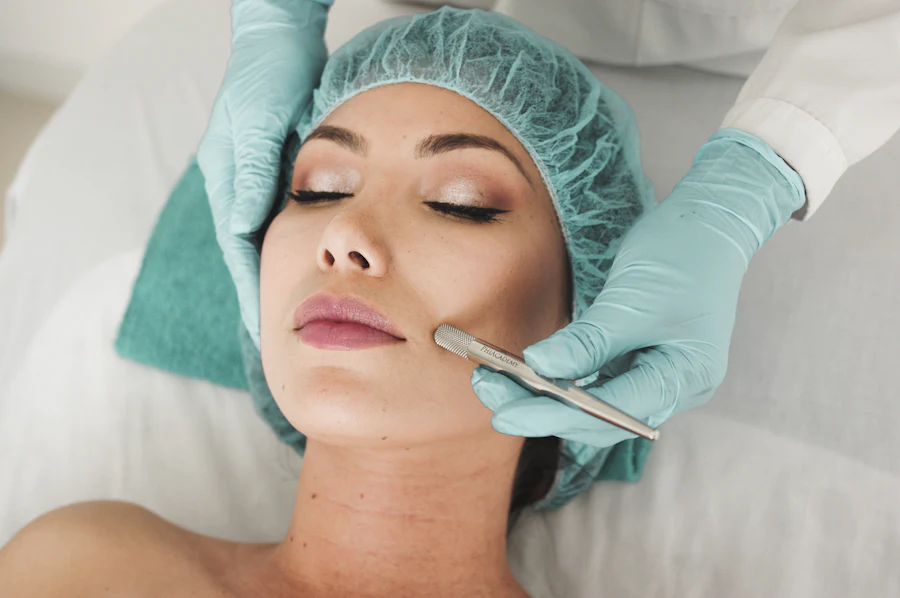
Microneedling, sometimes called collagen induction therapy, uses a device with very fine, sterile needles that create tiny, controlled punctures in the top layers of the skin. These micro-injuries are too small to leave visible wounds, but your skin treats them as minor damage and responds by starting its natural repair process.
During that repair, the skin produces new collagen and elastin, the proteins that give skin its firmness, bounce, and smooth texture. Over time, that can soften the look of fine lines, improve uneven texture, and help with the appearance of some scars, such as those left by acne. The process is gradual, because collagen takes weeks to build, which is why a single session rarely tells the whole story.
Why the skin responds
The skin heals in overlapping stages. First comes a short inflammatory phase, when the skin looks pink and feels warm. Next is a rebuilding phase, when new tissue forms over the following days and weeks. Finally, collagen remodels and matures over a period of months. Each session restarts this cycle, and the results from several sessions stack up.
What microneedling can help with
- Fine lines and early signs of aging
- Uneven skin texture and rough patches
- Enlarged-looking pores
- Dullness and uneven tone
- Some acne scarring, especially shallow, rolling scars
- Stretch marks, with more modest results
What it cannot do
Microneedling is not a facelift, and it does not replace medical treatment for conditions such as active acne, rosacea, or deep scarring. It can improve how skin looks and feels, but results vary from person to person, and some concerns need a dermatologist. A good esthetician will be upfront about what is realistic for your skin.
How Many Microneedling Sessions Do You Need?
This is the question most people want answered first, and the answer depends on your goal.
- General skin rejuvenation and glow: about 3 to 4 sessions
- Fine lines and texture: about 4 to 6 sessions
- Acne scarring: often 4 to 6 sessions or more, depending on scar depth
- Stretch marks: often 4 to 6 sessions, with realistic expectations
- Maintenance: one session every few months once you reach your goal
Sessions are usually spaced about 4 to 6 weeks apart. That gap gives skin time to heal and to build collagen before you disturb it again. Booking sessions too close together does not speed up results, and it can irritate skin and slow its recovery. Our facials page explains how microneedling fits with other treatments, and a common pattern is to alternate it with gentler facials between sessions.
Why one session is rarely enough
One session can make skin look fresher for a while, but collagen builds slowly, and the effect from a single treatment is modest. Think of microneedling as a course of treatment rather than a one-time fix. Most of the visible improvement appears after you complete the series.
Does the depth of the needles matter?
Yes. Needle depth is adjusted to the area and the concern. Delicate areas such as the forehead and around the eyes use shallower settings, while thicker skin and deeper scars may use more depth. A trained professional adjusts this during the session, and it is one more reason not to treat deeper concerns at home.
What Does a Microneedling Session Feel Like?
People often worry that microneedling will be painful. Most describe it as a scratchy or vibrating sensation, and it feels stronger on bony areas like the forehead and jawline. A numbing cream is usually applied beforehand, and our session includes a consultation and numbing prep. After the numbing takes effect, many people feel only pressure.
The usual steps
- Consultation. Your esthetician reviews your skin, goals, medications, and health history, and checks for anything that would make microneedling unsuitable.
- Cleansing and numbing. Your skin is cleansed, and a numbing product is applied and left for a short time.
- Treatment. The device is passed over the skin in sections, with a serum applied to help it glide.
- Soothing. A calming serum or mask is applied to settle the skin.
- Sun protection and aftercare. You are given aftercare instructions and sunscreen guidance.
The treatment itself is usually fairly quick, though the whole appointment takes longer once you include numbing and consultation. Skin typically looks pink right afterward, similar to a mild sunburn.
Microneedling Results Timeline: What to Expect and When
Results do not appear all at once. Knowing the typical timeline helps you judge your progress fairly and avoid giving up too early.
- Day 1: Skin looks pink or flushed, feels warm and tight, and may feel a little like a sunburn.
- Days 2 to 3: Redness fades, skin may feel dry or rough, and some people see a little flaking.
- Days 4 to 7: Skin settles. Many people notice a fresher, brighter look and smoother feel, and makeup sits better.
- Weeks 2 to 4: New collagen starts to build. Texture and tone begin to improve, though changes are subtle.
- After 2 to 3 sessions: Many people notice smoother texture, softer lines, and a more even tone.
- After the full series: The biggest improvements usually show, and they keep developing for a few months afterward as collagen matures.
Because collagen takes time, it is common to see the best results two to three months after your final session. Taking photos in the same lighting before you start and before each session makes progress easier to see than looking in the mirror every day.
How long do results last?
Microneedling does not stop the aging process, so results are not permanent. With good sun protection and skincare, many people keep their improvements for a year or longer, and occasional maintenance sessions every few months help hold them. Sun exposure, smoking, and poor skincare shorten how long results last.
Microneedling Downtime: What Recovery Really Looks Like
Downtime is usually short, but it is not zero, and being realistic helps you plan around events.
The first 24 hours
Your skin will likely be red, warm, and slightly swollen, like a mild to moderate sunburn. It may feel tight and sensitive. Use only the gentle products your esthetician recommends, and avoid touching your face unnecessarily.
Days 2 to 4
Redness fades in most people, though it may linger a little longer with deeper settings. Your skin may feel dry, rough, or sandpapery, and light flaking is normal. Resist the urge to pick or peel, since that can cause irritation and marks.
Days 5 to 7
Most people are back to normal, with skin looking fresh. Makeup can usually be worn again after the first day or two, depending on your esthetician’s advice and how your skin feels.
How to plan around events
Schedule your session at least a week before a special occasion, and ideally two weeks, to give redness and flaking time to settle. If you are planning a wedding, our bridal beauty timeline shows how to space skin treatments in the months before the big day.
Microneedling Aftercare: Do and Do Not
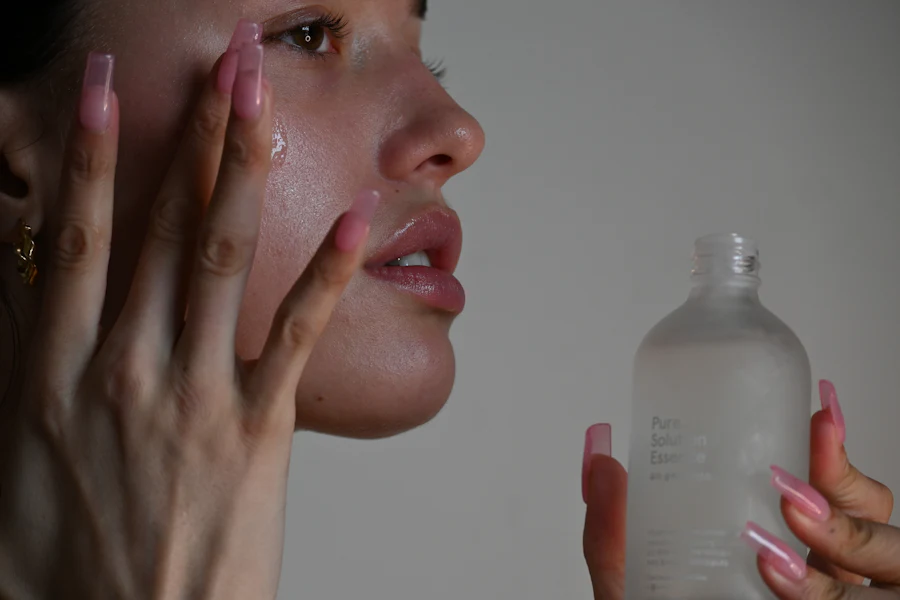
Aftercare matters as much as the treatment. Your skin is more absorbent and more sensitive for a few days, so the wrong products or habits can cause irritation.
Do
- Use a gentle, fragrance-free cleanser with lukewarm water.
- Apply a simple, hydrating moisturizer as often as your skin needs.
- Use the calming serum or products your esthetician recommends.
- Apply a broad-spectrum sunscreen with SPF 30 or higher every morning, and reapply if you are outside.
- Wear a hat and seek shade, especially in Boise’s strong summer sun.
- Sleep on a clean pillowcase for the first few nights.
- Drink water and keep skin hydrated from the inside too.
Do not
- Do not use retinoids, exfoliating acids, or vitamin C serums for the period your esthetician advises, which is usually several days.
- Do not wear heavy makeup for the first day or two.
- Do not exercise hard, sweat heavily, or use saunas and steam rooms for the first 24 to 48 hours.
- Do not swim in chlorinated pools for several days.
- Do not pick at flaking or peeling skin.
- Do not tan or spend long periods in direct sun.
- Do not schedule waxing or other skin treatments on the same area right before or after.
The American Academy of Dermatology notes that sun protection is one of the most important parts of caring for skin. You can read their daily tips in their guide to skin care secrets for healthier-looking skin, and our skincare routine basics guide explains how to build a routine around it.
Who Is a Good Candidate for Microneedling?
Microneedling suits many adults who want to improve texture, fine lines, or scarring. You may be a good candidate if you:
- Have fine lines, rough texture, or enlarged-looking pores
- Have shallow acne scars that have healed
- Want a treatment that works with your skin’s own healing process
- Are willing to follow aftercare and use sunscreen
- Have realistic expectations about gradual results
Who Should Avoid Microneedling or Talk to a Doctor First?
Microneedling is not for everyone. Skip it, or check with a doctor first, if any of these apply:
- Active acne breakouts, cold sores, or infections in the treatment area
- Open wounds, sunburn, or irritated skin
- Pregnancy or breastfeeding, unless your doctor approves
- A history of keloid scarring or abnormal scarring
- Blood-clotting disorders or use of blood-thinning medication
- Recent use of isotretinoin, which your doctor can advise on timing
- Conditions such as eczema, psoriasis, or rosacea flares in the area
- Immune conditions or other health issues your doctor has flagged
- Allergies to numbing products or ingredients used in the treatment
Be completely honest during your consultation about medications, skin conditions, and health history. A good esthetician will tell you if microneedling is not right for you, and may recommend a dermatologist instead. If you have a mole, spot, or skin change that worries you, see a dermatologist before getting any treatment.
Possible Side Effects and Risks
Most side effects are mild and short-lived, but you should know what to expect.
- Common: redness, mild swelling, tightness, dryness, flaking, and pinpoint sensitivity
- Less common: bruising, breakouts after treatment, and temporary darker or lighter patches, especially in deeper skin tones or with sun exposure
- Rare: infection, scarring, or an allergic reaction
Following aftercare, using clean tools, and choosing a trained professional lower your risk considerably. Contact your provider or a doctor if you notice signs of infection, such as increasing pain, pus, spreading redness, fever, or swelling that gets worse instead of better.
Professional Microneedling vs. At-Home Derma Rollers
At-home rollers and pens are everywhere, and the price looks tempting. But they are not the same as a professional treatment.
- Needle length and depth. Professional devices use adjustable, precisely controlled depths. At-home tools use much shorter needles, so they do less, and longer ones can cause damage if used incorrectly.
- Sterility. Professional treatments use sterile, single-use needle tips. Home devices need careful cleaning and replacement, and poor hygiene raises the risk of infection and breakouts.
- Technique. Pressure, direction, and passes affect results and safety. A trained esthetician knows how to treat each area.
- Screening. A professional checks whether the treatment suits your skin and health before starting.
If you enjoy home tools, keep them gentle and clean, and ask your esthetician whether they make sense for your skin. For real concerns such as scarring, a professional treatment is the safer and more effective choice.
How to Combine Microneedling With Other Treatments
Microneedling often works best as part of a plan. Your esthetician may recommend combining it with other services, spaced sensibly so skin has time to heal.
- Classic facials: A classic facial between microneedling sessions keeps skin clean and hydrated without adding stress.
- HydraFacial: Many clients alternate microneedling with a HydraFacial for brightness and hydration between sessions.
- Chemical peels: A chemical peel targets tone and surface texture. It is usually not done on the same day or too close to microneedling, so ask your esthetician how to space them.
- Daily skincare: Sunscreen, a gentle cleanser, and a good moisturizer protect your results all year.
How Much Does Microneedling Cost?
Microneedling sessions in our range typically run from about $150 to $300, depending on the area treated. Because you usually need a series of sessions, the total cost depends on how many you plan. Some salons offer package pricing for multiple sessions, so ask about options when you book. For current rates, see our pricing page.
It helps to think about cost per result, rather than cost per session. A series spaced over a few months, combined with sunscreen and a steady routine, usually delivers better value than a single session followed by neglect.
Common Mistakes That Limit Microneedling Results
- Stopping after one session. Results build with a series.
- Skipping sunscreen. Sun exposure undoes collagen gains and raises the risk of dark patches.
- Using strong actives too soon. Retinoids and acids can irritate freshly treated skin.
- Booking sessions too close together. Skin needs time to heal and rebuild.
- Picking at flaking skin. This can cause marks and infection.
- Expecting instant results. The biggest changes appear weeks after your final session.
- Not telling your esthetician about medications. Some medications change how skin heals.
- Choosing based on price alone. Training, hygiene, and technique matter far more than a discount.
How to Choose a Microneedling Provider
Because microneedling pierces the skin, who does it matters. Look for a provider who:
- Is licensed and trained specifically in microneedling
- Offers a real consultation before the first treatment
- Uses sterile, single-use needle tips and a clean workspace
- Explains risks and aftercare clearly, in writing if possible
- Sets realistic expectations and does not promise dramatic results
- Recommends a plan that suits your skin, not a one-size-fits-all package

Common Myths About Microneedling
“Microneedling is extremely painful”
With numbing cream, most people describe it as uncomfortable but manageable. The sensation depends on the area and the depth of treatment.
“It will make my skin thinner”
Microneedling is designed to stimulate collagen production, which supports skin, not thin it. Overdoing treatments or ignoring aftercare is what causes problems.
“You can see the full result straight away”
You may see a glow within days, but collagen takes weeks and months to build. The best results come later.
“At-home rollers give the same results”
They use much shorter needles and are not as effective as professional treatments, and poor hygiene can cause breakouts or infections.
“Microneedling works for every skin concern”
It helps with texture, fine lines, and some scars, but it does not treat everything. For medical concerns, see a dermatologist.
Frequently Asked Questions
How many microneedling sessions do I need to see results?
Most people plan for a series of about 3 to 6 sessions, spaced 4 to 6 weeks apart. You may notice a glow after the first one, but the larger improvements in texture and fine lines build over the whole series and the months afterward.
How long does it take to see results from microneedling?
Fresh, brighter-looking skin often shows within a week. Texture and tone improvements usually appear over weeks as collagen builds, with the best results two to three months after your final session.
How long is the downtime after microneedling?
Expect redness for one to three days and possible dryness or light flaking for a few days after that. Most people feel back to normal within about a week.
Does microneedling hurt?
Most people feel scratching or pressure rather than sharp pain, especially after numbing cream is applied. Bony areas feel stronger.
How often can you get microneedling?
Usually every 4 to 6 weeks during a treatment series, then every few months for maintenance. Your esthetician will adjust the schedule to your skin.
Can I wear makeup after microneedling?
It is best to wait at least a day or two, and to use only gentle, clean products at first. Follow your esthetician’s advice about when your skin is ready.
Ready to Start Your Microneedling Plan?
If you are curious about microneedling, the best first step is a consultation. We will look at your skin, talk through your goals, and tell you honestly whether microneedling is right for you and how many sessions to plan. Explore our anti-aging microneedling service, browse all of our facial services in Boise, or book your appointment and we will take it from there.