
Subtotal $0.00





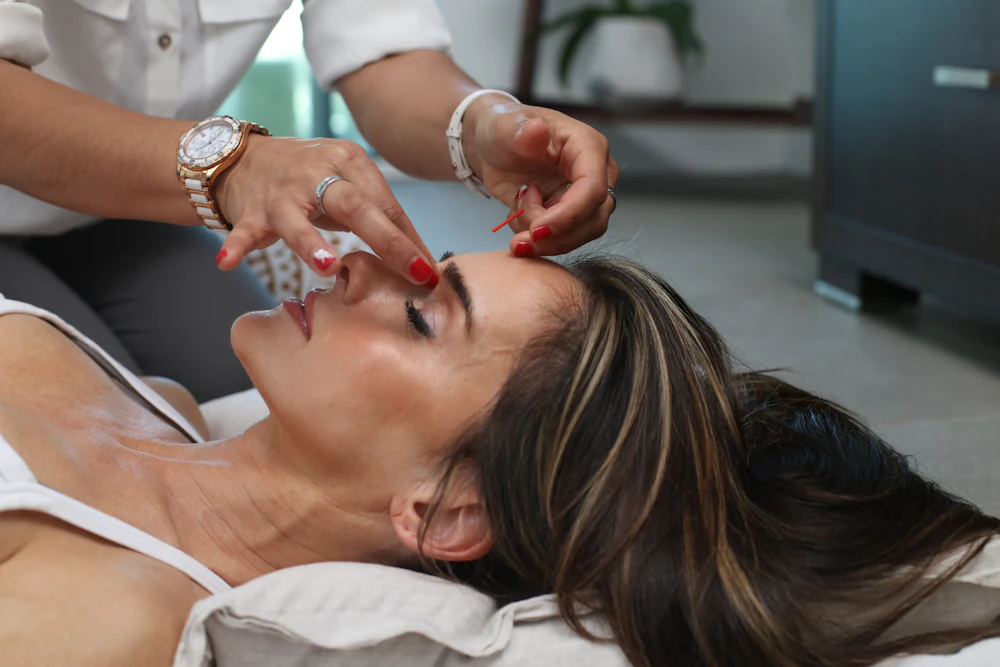
If you have ever left a facial with glowing skin and wondered how soon you should go back, you are asking one of the most common questions in skincare: how often should you get a facial? The short answer is that most people do well with a facial roughly every 4 to 6 weeks, but the right schedule depends on your skin type, the kind of treatment you choose, your goals, and even the season.
This guide breaks down the ideal frequency for each skin type and each kind of facial treatment, explains why the 4 to 6 week rule exists, shows you the signs that you are overdoing it, and walks through what to do between appointments so your results actually last. It is written from the point of view of a Boise salon, where dry air and strong sun change what skin needs through the year. If you are new to professional skincare, our classic facial is the usual starting point, and our guide to building a skincare routine that fits your skin covers everything you should be doing at home.

The Short Answer: How Often Should You Get a Facial?
For most healthy skin, a facial every 4 to 6 weeks is the sweet spot. Here is a quick guide before we get into the details:
- Normal or combination skin: every 4 to 6 weeks
- Oily or acne-prone skin: every 3 to 4 weeks, sometimes more often with guidance from your esthetician
- Dry or sensitive skin: every 6 to 8 weeks, with gentler treatments
- Mature skin: every 4 weeks, often combined with collagen-focused treatments
- Before a big event: one to two weeks ahead, not the day before
These are general ranges rather than strict rules. A good esthetician looks at your skin on the day and adjusts, because skin that is stressed, sunburned, or recovering from a breakout needs a different plan than skin that is calm and balanced.
Why Every 4 to 6 Weeks? The Skin Renewal Cycle
The 4 to 6 week recommendation comes from how your skin renews itself. The outer layer of your skin is constantly shedding dead cells and replacing them with new ones from below. In younger adults, that cycle takes roughly four weeks, and it slows down as we age, so older skin can take noticeably longer to turn over.
A facial works with that cycle rather than against it. Cleansing, exfoliation, extractions, and masks help clear away the buildup that sits on the surface, so the fresh skin underneath can show through and your products can absorb better. Booking at roughly the same rhythm as your skin’s natural turnover keeps that process going without pushing it too hard. Going far less often means you lose the benefit between visits. Going much more often can irritate skin that has not had time to recover.
Results also build over time. One facial is a nice treat, but a series of facials done on a steady schedule usually shows more lasting improvement in texture, tone, and clarity than a single appointment.
How Often to Get a Facial by Skin Type
Oily or acne-prone skin
Oily skin tends to get congested faster, so more frequent facials, often every 3 to 4 weeks, can help keep pores clear. Extractions and deep cleansing are the main benefit here. That said, acne-prone skin is also easy to irritate, so more is not always better. If you have persistent or painful breakouts, it is worth seeing a dermatologist alongside your esthetician, since acne is a medical condition and a facial is not a treatment for it.
Dry or dehydrated skin
Dry skin benefits most from hydration-focused facials, and it usually does better with a little more time between appointments, around every 6 to 8 weeks. Exfoliation should be gentle, since dry skin can easily become tight and flaky if it is overdone. In Boise’s low-humidity climate, a hydrating facial before winter and again in early spring can make a visible difference.
Sensitive or reactive skin
If your skin flushes easily or reacts to products, space your facials further apart, about every 6 to 8 weeks, and ask for calming treatments without strong acids or aggressive exfoliation. Tell your esthetician about any redness, rosacea, or product reactions before you start. If you have a diagnosed condition such as rosacea or eczema, check with your dermatologist about which treatments are appropriate.
Combination skin
Combination skin, which is oilier through the T-zone and drier on the cheeks, usually sits in the middle: every 4 to 6 weeks. Your esthetician can treat each zone differently during the same appointment.
Mature skin
As skin renews more slowly and collagen declines, mature skin often responds well to a monthly rhythm, paired with treatments that support firmness and texture. Many clients in this group alternate a classic facial with a more targeted service such as anti-aging microneedling, which we cover below.
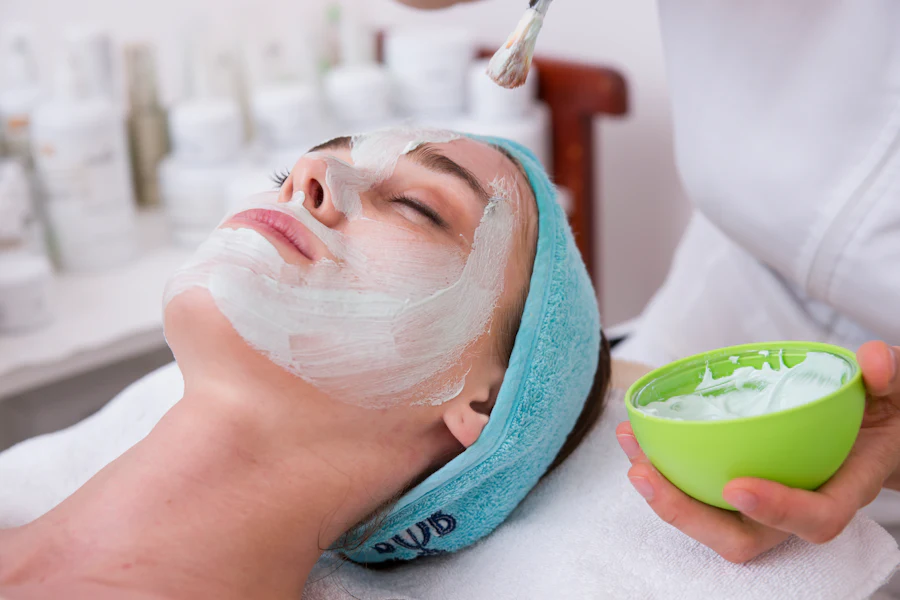
How Often to Get Each Type of Facial Treatment
Not every facial is the same, and the right frequency changes with the treatment. Here is how the main options typically work:
Classic facial
A classic facial includes cleansing, exfoliation, steam, and a mask, and it is gentle enough to repeat about every 4 to 6 weeks for most people. It is the best baseline for keeping skin balanced and hydrated.
HydraFacial
The HydraFacial combines cleansing, exfoliation, extraction, and hydration with no real downtime. Many clients book one about every 4 weeks for maintenance, and it is popular a week or so before events since skin usually looks bright right away.
Microneedling
Anti-aging microneedling works differently. It stimulates the skin’s own collagen production, and results build gradually. It is usually done as a series of sessions spaced several weeks apart, followed by occasional maintenance sessions. Because the skin needs time to heal and rebuild, it is not something to repeat every few weeks indefinitely.
Chemical peels
A light chemical peel can often be repeated every 4 to 6 weeks, while deeper peels need much more recovery time and are spaced further apart. The right strength depends on your skin, your goals, and how much downtime you are comfortable with, so this is a decision to make at a consultation rather than guess.
Facial Frequency by Goal and Age
- In your 20s: The goal is usually prevention and balance. A facial every 6 to 8 weeks, plus a solid daily routine and sunscreen, is often plenty.
- In your 30s: Fine lines and uneven tone start to appear. Moving to every 4 to 6 weeks and adding targeted treatments makes sense.
- In your 40s and beyond: Skin turns over more slowly, so a monthly schedule with collagen-supporting treatments tends to work best.
- For a special event: Schedule your facial 7 to 14 days before, so any redness or extractions settle. If you are planning a wedding, our bridal beauty timeline shows exactly when to book each service.
Seasonal Skincare in Boise
Boise’s climate asks different things of your skin through the year. Winter brings cold, dry air that strips moisture, so a hydrating facial in late fall helps skin cope. Summer brings strong sun, which can leave skin dull, dehydrated, and uneven, so many clients book a brightening or resurfacing treatment after the hottest months, once skin has had a chance to recover from sun exposure.
Whatever the season, sunscreen matters more than any single appointment. The American Academy of Dermatology recommends a broad-spectrum, water-resistant sunscreen with an SPF of 30 or higher every day before going outdoors, and notes that it can slow skin aging and help prevent skin cancer. You can read their full list of tips in their guide to skin care secrets for healthier-looking skin.
Can You Get Facials Too Often?
Yes. Skin needs time to recover, and facials that include exfoliation, extractions, or active ingredients can leave skin irritated if you stack them too closely. Signs that you may be overdoing it include:
- Persistent redness or a flushed look that does not settle within a day or two
- Tightness, stinging, or a burning feeling when you apply normally gentle products
- Peeling or flaking that was not there before
- New breakouts or rough patches after treatments
- Skin that looks shiny and thin rather than healthy
If you notice these, pause the exfoliating treatments, simplify your home routine to a gentle cleanser, moisturizer, and sunscreen, and let your skin recover. The American Academy of Dermatology specifically advises against scrubbing your skin, since scrubbing irritates it and can make any skin condition worse. If irritation does not settle, see a dermatologist.
What to Do Between Facials
A facial gives you a reset, but what you do in the weeks that follow decides how long it lasts. A simple routine goes a long way:
- Wash your face gently morning and night, and after heavy sweating, with a mild cleanser and lukewarm water.
- Pat your skin dry rather than rubbing it.
- Use a moisturizer suited to your skin type, ideally applied while skin is still slightly damp.
- Apply sunscreen with SPF 30 or higher every morning, even on cloudy days.
- Introduce actives such as retinoids or exfoliating acids slowly, one at a time.
- Do not pick or squeeze breakouts, since that can cause scarring and dark marks.
- Use products matched to your skin’s actual needs, not whatever is trending.
If you want help building that routine step by step, start with our skincare routine basics guide.
How to Prepare for a Facial and What to Do After
Before your appointment
- Come with a clean face if you can, or arrive a few minutes early to remove makeup.
- Skip strong exfoliants, retinoids, and acid products for a few days beforehand unless your esthetician says otherwise.
- Avoid sunburn and tanning before your visit, since sun-damaged skin is more sensitive.
- Tell your esthetician about any medications, prescription skincare, recent procedures, allergies, or pregnancy. If you take prescription acne medication such as isotretinoin, ask your doctor first, since some treatments are not recommended.
After your appointment
- Wear sunscreen and avoid prolonged sun exposure.
- Skip heavy exfoliation, saunas, and intense workouts for 24 to 48 hours.
- Keep your routine gentle and hydrating, and avoid touching or picking at your skin.
- Follow any specific aftercare your esthetician gives you for that treatment.
When to See a Dermatologist Instead
An esthetician is a skincare professional, not a doctor, and a facial is a cosmetic treatment rather than medical care. Book a dermatologist instead if you have painful or persistent acne, a rash that will not clear, suspected rosacea or eczema, or any mole or spot that changes, itches, or bleeds. The American Academy of Dermatology encourages people to check their skin regularly and see a board-certified dermatologist for anything concerning, and a good esthetician will tell you honestly when something is outside what a facial can help with.
What Actually Happens During a Facial?
Knowing what goes into an appointment makes it easier to judge how often you need one. A typical professional facial moves through the same core steps, and each step explains why skin looks different afterward.
- Consultation and skin analysis. Your esthetician asks about your routine, products, sensitivities, and goals, then looks closely at your skin.
- Deep cleansing. Makeup, sunscreen, and surface oil are removed so the treatment can work on bare skin.
- Exfoliation. Dead cells are lifted away using a gentle enzyme, acid, or physical method chosen for your skin type.
- Extractions, if needed. Congested pores are cleared by hand with care, which is why oily skin often benefits from a shorter gap between visits.
- Massage and mask. Massage helps you relax, and a mask delivers hydration, calming, or brightening ingredients.
- Finishing and protection. Serum, moisturizer, and sunscreen seal everything in and protect freshly renewed skin.
Because the exfoliation and extraction steps are the ones that can irritate skin when overdone, they are also the reason frequency matters. Hydrating and calming steps are gentle enough to repeat often, while the active steps need recovery time.
Common Facial Myths That Affect How Often You Book
“The more facials, the better my skin will look”
Skin does not improve in a straight line with the number of appointments. Past the point of healthy turnover, extra exfoliation just strips the protective barrier, and a damaged barrier shows up as redness, tightness, and breakouts. A steady rhythm beats a burst of frequent visits followed by months of nothing.
“Facials shrink pores permanently”
Pore size is largely genetic, and no facial changes that for good. What a facial can do is clear out the oil and debris that make pores look larger, so they appear smaller and smoother for a few weeks. That is exactly why regular visits help: the effect needs maintaining.
“I only need a facial when something is wrong”
Waiting until you have a problem usually means treating it from a worse starting point. Regular maintenance facials keep skin balanced, so you spend less time dealing with dullness, congestion, or dehydration after it has already built up.
“If my skin is clear, I do not need one”
Clear skin can still be dehydrated, dull, or uneven. Many people book facials for glow, hydration, and relaxation rather than to fix a problem, and those goals are just as valid.
A Sample Year of Facials
If you are not sure how to space things out, here is a simple yearly plan for someone with normal to combination skin who wants steady, healthy-looking skin without overspending. Treat it as a starting point and adjust it with your esthetician.
- January and February: A hydrating classic facial to repair winter dryness.
- March and April: A brightening or resurfacing treatment as skin recovers and the weather warms up.
- May and June: A lighter facial and a firm sunscreen habit before peak sun season.
- August and September: A reset after summer, focused on tone, texture, and hydration.
- October and November: A nourishing facial to prepare skin for cold, dry air.
- December: A facial a week or two before holiday events, so skin looks calm and bright.
That adds up to roughly six to nine visits a year, which suits many people’s budgets and still follows the 4 to 8 week range. If you want more frequent care, your esthetician can help you decide where extra appointments would give you the most benefit.
How to Choose the Right Esthetician
The person doing your facial matters as much as the schedule. Look for a licensed esthetician who asks questions before touching your skin, explains what products and treatments they plan to use, and is willing to say no to something that does not suit you. Be wary of anyone who promises dramatic results from a single visit or pushes a large package before they have even seen your skin. A good professional builds a plan around your skin rather than selling a routine that is the same for everyone.
How Much Do Facials Cost, and Is It Worth It?
Facials in our range typically run from about $75 for a classic facial to $150 to $300 for treatments such as microneedling, depending on the service. If you get a facial every 6 weeks, that is roughly 9 visits a year, which works out to around $675 to $1,080 a year at classic facial prices. Whether it is worth it depends on how you value the results and the time to relax, but a steady schedule usually delivers better value than occasional one-off visits that are too far apart to build results.
If you are watching your budget, a good compromise is to alternate: a professional facial every 6 to 8 weeks, plus a consistent home routine in between. You can see our current pricing for exact rates.

Frequently Asked Questions
Is getting a facial once a month too much?
For most people, once a month is fine and lines up with the skin’s natural renewal cycle. If your skin is dry, sensitive, or easily irritated, every 6 to 8 weeks may suit you better. Your esthetician can adjust based on how your skin looks and feels at each visit.
Can I get a facial every two weeks?
Usually this is more than skin needs, and it can lead to irritation. Some oily or acne-prone clients are advised to come more often for a short period, but that should be a plan made with your esthetician, not a default.
How long does it take to see results from a facial?
You will often notice hydration and glow right away. Deeper improvements in texture, clarity, and tone build over a series of regular facials, typically over a few months.
Should I get a facial before a big event?
Yes, but not the day before. Aim for 7 to 14 days ahead, so any redness or extractions have time to settle and your skin looks calm and glowing on the day.
Do facials help with acne?
Deep cleansing and extractions can help keep pores clear and improve how skin looks, but a facial is not a medical treatment for acne. If you have persistent or painful breakouts, see a dermatologist, and let your esthetician know so treatments are chosen carefully.
Is it safe to get a facial while pregnant?
Many gentle facials are considered fine, but some ingredients and treatments are avoided during pregnancy. Check with your doctor first, and tell your esthetician so they can adjust the treatment.
Ready to Book Your Next Facial?
Whether you are due for a regular reset or you are not sure which treatment fits your skin, we will look at your skin, ask about your routine, and recommend a schedule that makes sense for you rather than a one-size-fits-all menu. Explore our facial services in Boise, take a look at the HydraFacial, or simply book your appointment and we will take it from there.



Microneedling: How Many Sessions & Results Timeline | The Glow Room
October 10, 2026 - 4:57 am[…] How Often Should You Get a Facial? Real Schedule […]