Subtotal $0.00



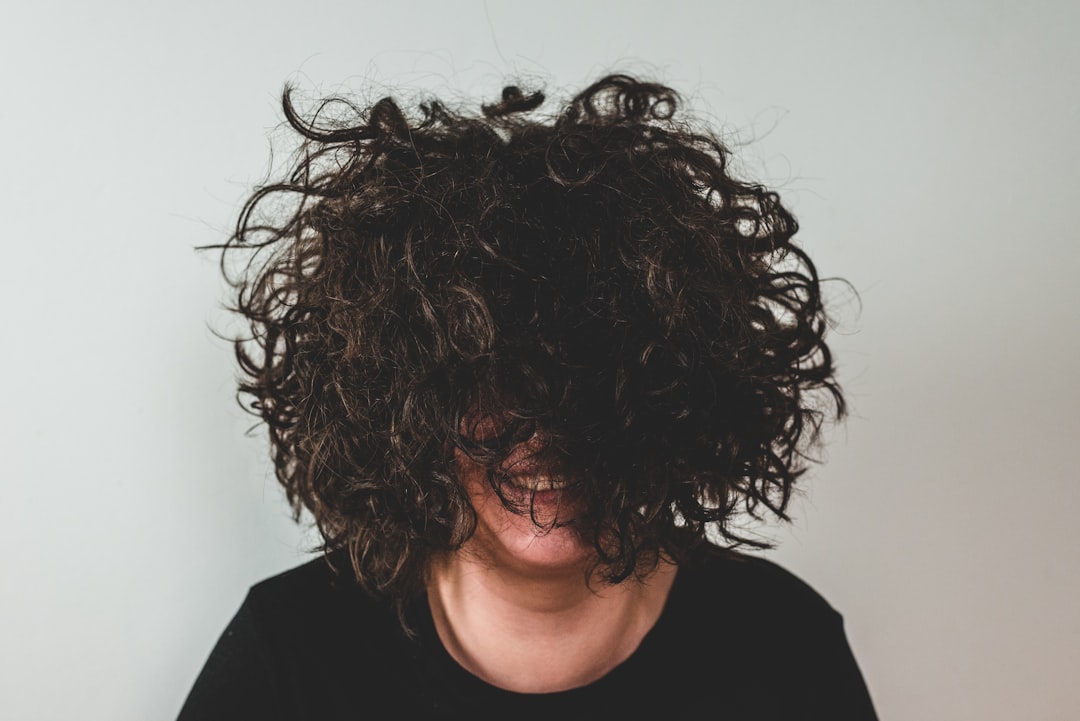
You wash it, blow-dry it, style it perfectly — and an hour later it looks like static electricity got involved. Frizzy hair is one of the most common hair complaints, and it’s rarely about “bad hair.” Almost always, it comes down to moisture, damage, or the wrong products for your hair type — something our Keratin Smoothing clients ask about often. Here’s what actually causes it, why it happens to some hair types more than others, and what genuinely fixes it — not just temporarily masks it until your next wash.
What Frizz Actually Is
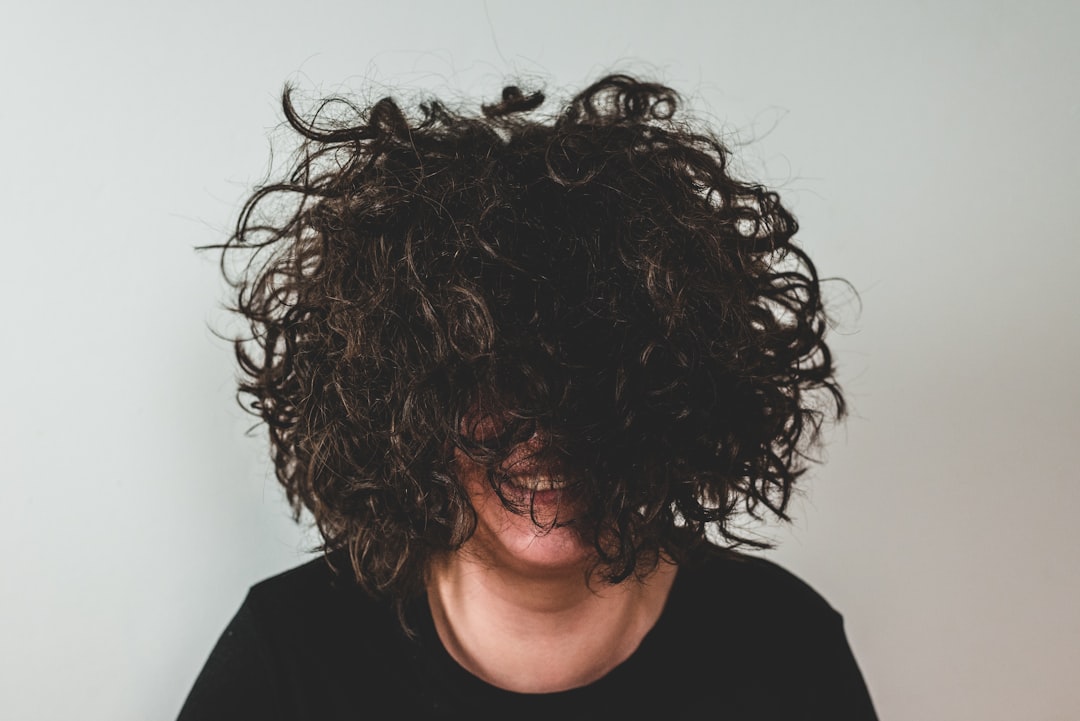
To understand how to fix frizz, it helps to understand what’s physically happening. Each strand of hair is covered in a protective outer layer called the cuticle, made up of overlapping scale-like cells, similar to shingles on a roof. When those cuticle scales lie flat, hair looks smooth and reflects light evenly, which is what we perceive as “shiny” and “sleek.” When the cuticle is lifted, rough, or damaged, individual strands separate from each other, catch moisture unevenly, and reflect light in every direction instead of one — and that’s what we see as frizz.
This means frizz isn’t really its own problem. It’s a visible symptom of something else going on with the cuticle layer, which is exactly why so many surface-level fixes (like just adding more product) only help temporarily.
What Causes Frizzy Hair?
1. Lack of Moisture
Hair frizzes when the outer cuticle layer is raised instead of lying flat. Dry hair — from harsh shampoos, heat styling, or just naturally low moisture retention — is the number one cause of this raised-cuticle effect. When hair doesn’t have enough internal moisture, the cuticle lifts to try to absorb moisture from the surrounding air, which is exactly the mechanism that makes dry hair so much more reactive to humidity than well-moisturized hair.
2. Humidity
Hair is naturally attracted to moisture in the air through a process called hygroscopy. When the cuticle is already rough or porous, humidity swells the strand and causes it to frizz and expand, especially in curly and wavy hair types where the natural bend in the hair shaft makes swelling more visually obvious than it would be on straight hair.
3. Heat and Chemical Damage
Repeated blow-drying, flat-ironing, coloring, bleaching, or chemical treatments wear down the protective outer layer of the hair, making it more porous and more prone to frizz over time. This kind of damage is cumulative — a single flat-iron pass won’t ruin your hair, but years of daily heat styling without protection adds up to genuinely compromised cuticle structure.
4. The Wrong Products
Sulfate-heavy shampoos strip natural oils, and skipping conditioner or leave-in treatments leaves hair with nothing to smooth the cuticle back down. Alcohol-based styling products (specifically the drying kinds, not all alcohols are equal) can also pull moisture out of hair over time, ironically making the frizz they’re meant to control worse in the long run.
5. Genetics and Natural Hair Structure
Some hair types are simply more prone to frizz by nature. Curly and coily hair types have a more oval or flattened cross-section shape compared to the round cross-section of straight hair, which naturally creates more bends where the cuticle can lift. This doesn’t mean curly hair is “bad” hair — it means it needs a different moisture and styling approach than straight hair to look its smoothest.
6. Wrong Water Temperature
Washing hair in very hot water can lift the cuticle and strip natural oils faster than warm or cool water. Many stylists recommend finishing a wash with a cool water rinse specifically because it helps the cuticle lie flatter as hair dries.
Does Hair Type Change the Approach?
Frizz shows up differently across hair types, and the fix that works best does shift somewhat depending on your natural texture.
Straight Hair
Frizz on straight hair usually shows up as flyaways and a general lack of smoothness rather than the “poofy” look often associated with frizz. It’s typically driven by damage or product buildup rather than natural texture, and responds well to lightweight smoothing serums and heat protectant.
Wavy Hair
Wavy hair frizzes most in humid weather and often needs a balance — enough moisture to prevent dryness-driven frizz, but not so much heavy product that it weighs down the natural wave pattern into limp, undefined strands.
Curly and Coily Hair
Curly and coily textures are naturally drier at the strand level because the hair’s natural oils have a harder time traveling down a curved shaft compared to a straight one. These textures typically need the most intensive moisture routine, and often benefit from techniques like “plopping” (wrapping curls in a t-shirt to dry without disturbing curl pattern) and the “praying hands” method of applying product.
How to Actually Fix Frizzy Hair
Use a Sulfate-Free Shampoo
Sulfates are harsh detergents that strip moisture. Switching to a sulfate-free, hydrating shampoo is one of the simplest changes that makes a visible difference within a few washes. Look for shampoos labeled “moisturizing,” “hydrating,” or specifically formulated for curly or dry hair, even if your hair isn’t curly — the moisture-focused formulas tend to work well for frizz regardless of texture.
Never Skip Conditioner
Conditioner helps smooth the cuticle layer down, which is exactly what stops frizz at the source. Focus it on the mid-lengths and ends, where hair is oldest and driest, and avoid piling it onto the scalp where it can weigh down roots and cause limpness at the crown.
Try a Weekly Deep Conditioning Treatment
Regular conditioner smooths the surface, but a weekly deep conditioning mask penetrates further into the hair shaft to address dryness at a more structural level. This is especially worth adding for anyone with color-treated, chemically processed, or naturally curly hair, since these hair types lose moisture fastest.
Add a Leave-In Treatment or Oil
A lightweight leave-in conditioner or a few drops of hair oil on damp hair seals in moisture before it has a chance to evaporate and lets humidity bounce off instead of soaking in. Argan oil, jojoba oil, and marula oil are all popular choices because they’re lightweight enough not to weigh hair down while still providing meaningful frizz control.
Use a Microfiber Towel or T-Shirt
Regular towels rough up the cuticle and cause frizz just from drying, since the coarse woven texture creates friction against the hair shaft — one of several small habits covered in our Everyday Hair Care Habits guide. A microfiber towel or cotton t-shirt is gentler and gives noticeably smoother results, especially when used to gently squeeze rather than rub hair dry.
Rinse With Cool Water
Finishing your shower with a cool water rinse over your hair helps close the cuticle after the warm water and product application has done its work, locking in shine and smoothness before you even start styling.
Consider a Professional Smoothing Treatment
For frizz that’s driven by damage or naturally porous, coarse hair, at-home products can only do so much. A professional keratin smoothing treatment seals the cuticle for weeks at a time, cutting down on daily frizz and styling time significantly, since it addresses the structural issue directly rather than working around it every time you wash.
Sleep on Silk or Satin
Cotton pillowcases absorb moisture from hair overnight and create friction that leads to frizz and tangles by morning. Silk or satin pillowcases (or a silk hair wrap) let hair glide instead of catching, which noticeably reduces overnight frizz buildup.
Use Heat Protectant Every Time
If you use any hot tools — blow dryers, flat irons, curling irons — a heat protectant spray or serum should go on every single time, not just for “special” styling days. Heat protectants create a barrier that reduces the moisture loss and cuticle damage that heat styling causes, which directly reduces frizz over time.
Common Mistakes That Make Frizz Worse
Over-Washing
Washing hair every single day strips natural oils faster than your scalp can replace them, leaving hair drier and more frizz-prone. Most hair types do better washed every 2-3 days, with dry shampoo used in between if needed.
Rubbing Hair Dry
Vigorously rubbing hair with a towel is one of the most common (and most damaging) frizz-causing habits. It roughs up the cuticle mechanically, undoing whatever smoothing your conditioner just achieved.
Brushing Dry Hair Too Aggressively
Brushing through dry, especially curly or wavy, hair breaks up the natural cuticle alignment and disrupts curl clumping, creating a frizzy, undefined halo effect. Detangling is generally better done on wet, conditioner-coated hair with a wide-tooth comb.
Using Too Much Product on Fine Hair
Fine hair types can actually make frizz look worse by overloading with heavy oils or creams, which weighs strands down without smoothing the cuticle, creating a greasy-looking frizz rather than a smooth finish. Lighter, mousse or gel-based products tend to work better for fine hair.
Ingredients to Look For
When shopping for anti-frizz products, a few ingredients consistently show up in effective formulas: glycerin and hyaluronic acid (both draw and hold moisture in the hair shaft), silicones like dimethicone (which coat the hair to smooth the cuticle, though some people prefer to avoid heavy buildup from these over time), and natural oils like argan, coconut, and marula (which condition and add shine without necessarily weighing hair down when used in the right amount).
Ingredients to Be Cautious With
Sulfates (sodium lauryl sulfate and similar) strip moisture aggressively and are worth avoiding if frizz is a primary concern. Drying alcohols (look for alcohol denat, isopropyl alcohol, or SD alcohol high on an ingredient list) can also pull moisture from hair, though not all alcohols behave this way — fatty alcohols like cetyl or stearyl alcohol are actually conditioning, not drying.
Understanding Hair Porosity and Frizz
Porosity refers to how easily your hair absorbs and retains moisture, and it plays a huge role in how frizz-prone your hair is and which products actually work for you.
Low Porosity Hair
Low porosity hair has a tightly bound cuticle that resists letting moisture in, which sounds like it would prevent frizz but often does the opposite — products sit on top of the hair instead of absorbing, leading to buildup that then attracts frizz-causing humidity. Lightweight, water-based products and applying to damp (not soaking wet) hair tend to work best.
High Porosity Hair
High porosity hair has gaps and holes in the cuticle (often from heat or chemical damage) that let moisture in quickly but also let it escape just as fast, which is why this hair type frizzes up rapidly in humidity. Heavier creams, oils, and leave-ins that seal the cuticle after moisturizing tend to help the most here.
Medium Porosity Hair
Medium porosity is generally considered the easiest to manage, absorbing and retaining moisture at a balanced rate. Most standard product routines are formulated with this porosity level in mind.
If you’re not sure which category your hair falls into, a simple test is to drop a clean strand of hair into a glass of water — hair that floats for a while is typically low porosity, hair that sinks quickly is typically high porosity, and hair that floats in the middle for a bit before slowly sinking is medium porosity.
Myths About Frizzy Hair, Debunked
“Cutting your hair makes it grow back less frizzy”
Trimming split ends improves the appearance of frizz at the ends specifically, but it doesn’t change the fundamental structure of the hair growing from your scalp. Regular trims help manage frizz, but they’re not a root-cause fix on their own.
“More product always means less frizz”
Past a certain point, adding more product just creates buildup, which paradoxically makes hair look duller and can even trap humidity against the strand rather than sealing it out. The right amount of the right product beats a heavy layer of the wrong one.
“Frizz means your hair is unhealthy”
Frizz is often a sign of a specific, fixable issue — dryness, humidity reaction, or product mismatch — rather than a permanent verdict on hair health. Plenty of naturally curly and textured hair frizzes simply because of its structure, not because anything is wrong with it.
“You should brush frizzy hair more to smooth it down”
For most textures beyond straight hair, more brushing actually separates strands further and increases the frizzy, halo-like appearance rather than smoothing it. Finger-styling or wide-tooth combing tends to preserve a smoother look for wavy and curly textures.
Seasonal Frizz Management
Summer and Humid Weather
Humidity is frizz’s best friend, which means summer routines should lean into anti-humectant strategies: sealing oils applied after moisturizing to create a barrier, anti-frizz sprays with silicone or polymer-based hold, and avoiding pure humectant-heavy products (like plain aloe vera gel used alone) on very humid days, since humectants can pull moisture from the air into already-saturated hair and cause it to swell further.
Winter and Dry, Cold Weather
Indoor heating and cold, dry outdoor air both strip moisture from hair in winter, leading to a different kind of frizz driven by dehydration rather than humidity. Winter routines benefit from richer, heavier conditioners and leave-ins, along with reducing wash frequency slightly since indoor heat dries out both scalp and hair faster.
Frequently Asked Questions
How long does it take to see results from a new anti-frizz routine?
Most people notice a visible difference within 2-3 wash cycles of switching to sulfate-free products and adding a leave-in treatment, though deeper damage-related frizz may take longer, or may need a professional treatment to fully resolve.
Can diet affect frizz?
Hair health is connected to overall nutrition, particularly adequate protein, biotin, omega-3 fatty acids, and hydration, all of which support the hair’s natural moisture balance from the inside. Diet alone won’t fix frizz caused by external damage, but poor nutrition can make hair more prone to dryness and breakage generally.
Is frizzy hair more common in certain climates?
Yes — humid coastal or tropical climates cause more frizz-related complaints than dry, arid climates, though dry climates bring their own dehydration-driven frizz. Boise’s climate, with hot dry summers and cold winters, tends to cause more moisture-loss frizz than humidity-swelling frizz, which is worth keeping in mind when choosing products locally.
Does hair color make frizz worse?
Any chemical color process, especially bleaching or lightening, opens the cuticle to deposit or lift color, which leaves hair more porous and frizz-prone afterward if not properly cared for with bond-building and deep moisturizing treatments post-color.
Building a Simple Anti-Frizz Routine
Rather than randomly trying products, a simple structured routine tends to get the best results fastest:
- Wash day: Sulfate-free shampoo focused on the scalp, conditioner focused on mid-lengths to ends, weekly deep conditioning treatment in place of regular conditioner once a week
- Right after washing: Cool water rinse, gentle squeeze-dry with a microfiber towel or t-shirt, leave-in conditioner or lightweight oil applied to damp hair
- Before heat styling: Heat protectant spray, every single time, no exceptions
- Overnight: Silk or satin pillowcase, or a silk hair wrap for longer or curlier hair
- Weekly: Deep conditioning mask, and a check on whether it’s time for a trim if ends are looking rough
When to See a Professional
If you’ve tried the basics — sulfate-free shampoo, conditioner, a leave-in, cool water rinses — and frizz is still a daily fight, it’s usually a sign of deeper damage that home products can’t reverse on their own. That’s when a professional treatment makes the biggest difference, since it can address structural cuticle damage in a way that surface-level products simply aren’t designed to do, as the American Academy of Dermatology also notes.
Our Keratin Smoothing treatment is one of the most requested services for exactly this reason, and pairs well with a regular Haircut & Style to keep ends healthy and trimmed, since split ends contribute to a frizzy overall appearance regardless of moisture levels. For more everyday habits that make a real difference, see our guide on 10 Everyday Hair Care Habits, or book a consultation to find out what your hair actually needs.



10 Everyday Hair Care Habits That Actually Make A Difference - Verlure Beauty Studio
September 26, 2026 - 4:55 pm[…] Why Is My Hair So Frizzy? Real Causes and […]
Waxing Vs. Shaving: Which One Actually Wins? Find Out & Book Today - Verlure Beauty Studio
September 30, 2026 - 4:07 pm[…] Why Is My Hair So Frizzy? Real Causes and […]
How Long Does A Keratin Treatment Last? Real Timelines
October 6, 2026 - 5:05 am[…] Why Is My Hair So Frizzy? Real Causes and […]
How To Get Rid Of Split Ends: Trims & Treatments | The Glow Room
October 7, 2026 - 5:50 am[…] and summer sun all put extra stress on hair. If your hair also feels rough and puffy, our guide to why your hair is so frizzy pairs well with this […]