Subtotal $0.00



Good hair days rarely happen by accident. Most of the difference between dull, damaged hair and healthy, shiny hair comes down to small daily hair care habits rather than expensive salon treatments alone. Here are ten hair care habits worth building into your routine.
Hair Care Habits #1: Wash with lukewarm, not hot, water
Hot water strips natural oils from your scalp and can leave hair drier over time. Rinse with lukewarm or cool water instead, especially on the final rinse — it also helps hair cuticles lie flatter, which means more shine.
2. Don’t shampoo every single day
Daily shampooing can strip the scalp’s natural oils, leading to a cycle of overproduction and greasiness. Most hair types do well with washing every 2-3 days, using a dry shampoo in between if needed.
3. Use a wide-tooth comb on wet hair
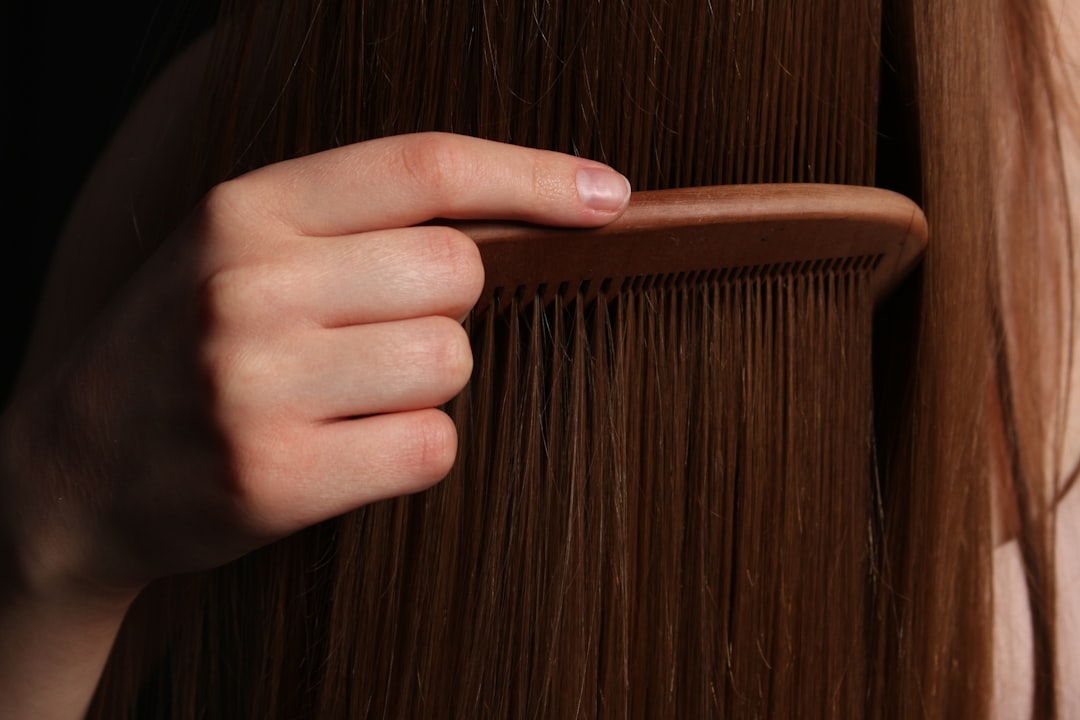
Hair is most fragile when wet. A wide-tooth comb, starting from the ends and working up, causes far less breakage than a brush pulled straight through from root to tip.
4. Protect hair before heat styling
A heat protectant spray isn’t optional if you regularly use a blow dryer, flat iron, or curling wand. Skipping it accelerates dryness and split ends.
5. Trim regularly, even if you’re growing it out
A trim every 8-12 weeks removes split ends before they travel up the hair shaft. Skipping trims to “save length” often backfires, since split ends cause more breakage than the trim removes. According to the American Academy of Dermatology, small daily habits make a measurable difference in hair health over time. Book a Haircut & Style to keep ends healthy, or ask about our Keratin Smoothing treatment if frizz and breakage are a recurring issue. For a deeper look at what causes frizz, see our guide: Why Is My Hair So Frizzy?
6. Sleep on a silk or satin pillowcase
Cotton pillowcases create friction that leads to frizz and tangles overnight. Silk or satin reduces that friction significantly.
7. Don’t skip the conditioner, even with fine hair
Fine hair still needs conditioner — just apply it mid-shaft to ends rather than at the roots, so it doesn’t weigh hair down.
8. Brush before, not after, showering
Detangling hair before it’s wet reduces the amount of pulling and breakage needed once you’re in the shower.
9. Give your scalp attention, not just your strands
Healthy hair starts at the scalp. A gentle scalp massage while shampooing improves circulation and helps remove product buildup.
10. Match products to your actual hair type
Curly, straight, fine, and thick hair all behave differently. A product that works wonders for a friend might weigh your hair down or do nothing at all — it’s worth experimenting to find what suits your specific hair.
Understanding Your Hair’s Structure
It helps to know what you’re actually working with. Each strand of hair has three layers: the cuticle (the protective outer layer made of overlapping scale-like cells), the cortex (the middle layer that gives hair its strength, elasticity, and color), and the medulla (an inner core present mainly in thicker hair). Most of the damage people worry about — dryness, frizz, breakage — starts at the cuticle. When the cuticle lies flat and smooth, hair reflects light evenly and looks shiny. When it’s roughed up by heat, chemical processing, or friction, light scatters unevenly and hair looks dull and feels rough. Nearly every habit on the list above is really about protecting that outer cuticle layer.
How Hair Type Changes What You Need
Hair is generally classified into four broad types — straight (Type 1), wavy (Type 2), curly (Type 3), and coily (Type 4) — and care routines that work well for one type can actively work against another.
Straight hair (Type 1)
Straight hair tends to get oily faster because sebum (natural oil) travels easily down the smooth hair shaft from scalp to ends. Lightweight, oil-free products usually work best, and over-conditioning can weigh this hair type down quickly.
Wavy hair (Type 2)
Wavy hair sits in between — it can go oily at the roots while still being dry at the ends. A lighter conditioner focused mid-shaft to ends, paired with a scalp-focused shampoo, tends to balance this out.
Curly hair (Type 3)
Curls have more bends in the hair shaft, which makes it physically harder for natural oil to travel down the length of the hair. This is why curly hair often needs more moisture than straight hair, and why many curly-hair routines favor sulfate-free cleansers and heavier conditioners or leave-in treatments.
Coily hair (Type 4)
Coily hair has the tightest curl pattern and is generally the most prone to dryness of all hair types, since oil has the farthest and most difficult path to travel. This hair type often benefits most from the “LOC method” (Liquid, Oil, Cream) for sealing in moisture, and from protective styling that minimizes daily manipulation.
Diet, Hydration, and Hair Health
Hair is a non-essential tissue from the body’s perspective, meaning nutrients get prioritized elsewhere first when supply is limited. This is why nutritional deficiencies often show up in hair health before other, more visible signs. A few nutrients worth paying attention to:
- Protein: Hair is made mostly of a protein called keratin, so adequate protein intake supports hair strength and growth.
- Iron: Low iron levels are a common, often overlooked cause of hair thinning, particularly in women.
- Biotin and other B vitamins: While dramatic biotin supplementation claims are often overstated for people who aren’t actually deficient, adequate B-vitamin intake does support normal hair growth cycles.
- Omega-3 fatty acids: Found in fish, walnuts, and flaxseed, these support scalp health and can help reduce dryness and inflammation.
- Water: Dehydration affects the whole body, hair included — hair that’s dry and brittle sometimes improves simply with more consistent water intake.
If you’re experiencing sudden or significant hair loss, this is worth discussing with a doctor rather than addressing through diet changes alone, since sudden hair loss can have several underlying causes.
Common Hair Care Myths, Debunked
Myth: Trimming hair makes it grow faster
Hair grows from the scalp, not the ends, so trimming has no effect on growth rate. What trimming does do is remove split ends before they travel further up the strand, which prevents hair from looking or being shorter due to breakage — which can create the illusion of faster growth.
Myth: You should brush your hair 100 strokes a day
This old advice actually causes more harm than good for most hair types today, since it creates unnecessary friction and can lead to more breakage, especially on dry or fragile hair. Brush only as much as needed to detangle.
Myth: Natural oils can fix any hair problem
Oils like coconut, argan, and jojoba have real benefits — they can add shine and reduce frizz — but they don’t penetrate deeply enough to repair structurally damaged hair. Damaged hair (from heat, chemicals, or over-processing) needs protein treatments and, ultimately, time and trims to fully recover.
Myth: Switching shampoos regularly prevents your hair from “getting used to” a product
Hair doesn’t build tolerance to shampoo formulas. If a product seems to stop working over time, it’s more likely due to product buildup, a change in weather or water quality, or a change in your hair’s needs — not the hair adapting to the formula itself.
Seasonal Hair Care Adjustments
Winter
Cold, dry air combined with indoor heating strips moisture from hair fast. This is a good season to increase deep conditioning frequency and reduce how often you wash, since indoor heat already dries hair out more than usual.
Summer
Sun exposure can fade color and weaken hair protein structure over time, similar to how it affects skin. A leave-in product with UV protection helps, especially for color-treated hair. Chlorine and salt water from pools and the ocean are also drying and can cause color to shift, especially on lightened hair — rinsing hair with fresh water before swimming helps reduce how much chlorine or salt water it absorbs.
When to See a Professional
Most day-to-day hair concerns respond well to consistent basic care, but certain signs are worth a professional opinion rather than more trial and error with products:
- Sudden, significant hair loss or thinning
- Persistent scalp itching, flaking, or redness that doesn’t improve with a gentle shampoo
- Hair that feels consistently brittle and breaks even with gentle handling
- Bald patches or hair loss in a specific pattern rather than overall thinning
A dermatologist or trichologist (a specialist in hair and scalp health) can identify underlying causes — like thyroid issues, hormonal changes, or scalp conditions — that a stylist isn’t equipped to diagnose.
A Simple Weekly Hair Care Routine
Pulling these habits into a loose weekly structure can make them easier to stick with:
- 2-3x per week: Wash and condition with lukewarm water
- 1x per week: Deep conditioning treatment or hair mask
- Daily (if heat styling): Heat protectant before any hot tools
- Daily: Gentle detangling with a wide-tooth comb on wet hair
- Nightly: Silk or satin pillowcase, or a loose braid to reduce friction while sleeping
- Every 8-12 weeks: Trim to remove split ends
Decoding Ingredient Labels
Shampoo and conditioner labels list ingredients that sound intimidating but generally fall into a few understandable categories.
Sulfates
Sulfates (like sodium lauryl sulfate) are the ingredients responsible for the foaming, lathering effect in shampoo. They’re effective cleansers but can be harsh, stripping natural oils along with dirt and product buildup. Color-treated hair, curly and coily hair, and already-dry hair types often do better with sulfate-free formulas, which clean gently without the same stripping effect.
Silicones
Silicones (ingredients ending in -cone or -conol, like dimethicone) coat the hair shaft to create smoothness and shine. They work well for reducing frizz but can build up over time, especially with non-water-soluble types, which is why some routines include an occasional clarifying shampoo to remove buildup.
Parabens
Parabens are preservatives that prevent bacterial growth in products. They’ve become a point of consumer concern in recent years, and many brands now offer paraben-free formulas, though the preservative’s direct link to harm remains debated among researchers. If it’s a personal concern, paraben-free options are widely available.
Humectants (like glycerin and hyaluronic acid)
These ingredients draw moisture into the hair shaft from the surrounding air, which is why they’re common in moisturizing conditioners and leave-in treatments — particularly useful for dry, curly, or coily hair types.
Building a Routine Around Your Hair Goal
Goal: More volume
Focus on lightweight, root-lifting products and avoid heavy conditioners applied too close to the scalp, since these can weigh hair down. Washing slightly more often than other hair types may also help, since natural oils tend to flatten volume faster.
Goal: Frizz control
Look for leave-in conditioners or serums containing silicones or natural oils that smooth the cuticle. Avoid rough towel-drying — squeezing gently with a microfiber towel or soft t-shirt reduces the friction that causes frizz, and letting hair air-dry partially before using heat tools also helps.
Goal: Color protection
Sulfate-free, color-safe formulas slow color fading. Cooler water temperatures help keep the hair cuticle sealed, which locks color in better than hot water. UV-protective leave-in sprays also help prevent sun-related fading, particularly for lightened or vividly colored hair.
Goal: Damage repair
Protein treatments (look for keratin or hydrolyzed protein in ingredient lists) help rebuild the internal structure of damaged hair, while deep conditioning masks address surface moisture. Damaged hair usually benefits from alternating between the two rather than relying on just one. Reducing heat styling frequency during a repair phase makes a noticeable difference.
Tools That Matter More Than People Realize
Brushes
A boar-bristle brush distributes natural oils from scalp to ends effectively and works well for straight to wavy hair. A wide-tooth comb or detangling brush with flexible bristles is gentler for curly and coily hair, which is more prone to breakage during detangling.
Hair dryers
Ionic hair dryers reduce frizz by breaking down water molecules faster, which means less time with the hair cuticle exposed to heat. A diffuser attachment helps curly hair dry with less disruption to the natural curl pattern compared to blasting air directly.
Heat tool temperature settings
Fine or damaged hair generally shouldn’t exceed 300°F (150°C) for styling tools, while thicker, coarser, or more heat-resistant hair can typically tolerate up to 400°F (200°C). Using the lowest effective temperature for your hair type reduces cumulative heat damage over time.
A Quick Glossary of Hair Care Terms
- Porosity: How easily hair absorbs and retains moisture.
- Protein-moisture balance: The relationship between structural protein and moisture in hair — too much of either without enough of the other can cause hair to feel either stiff and brittle, or limp and mushy.
- Clarifying shampoo: A deep-cleaning shampoo used occasionally to remove product buildup that regular shampoo doesn’t fully clear.
- Leave-in conditioner: A lightweight conditioning product applied to damp hair and not rinsed out, used for ongoing moisture and frizz control throughout the day.
- Protective style: Hairstyles (like braids or buns) that minimize daily manipulation and tuck away ends to reduce breakage, commonly used with curly and coily hair types.
Frequently Asked Questions
Is it bad to wash your hair every day?
For most hair types, yes — daily washing tends to strip natural oils and can lead to a cycle of overproduction. Fine, straight hair that gets oily quickly is the main exception where more frequent washing may genuinely be needed.
Does hair get “immune” to certain products over time?
No — see the myth section above. Apparent changes in effectiveness are usually due to buildup, environmental factors, or changes in your hair’s actual condition.
How long does it really take to see results from a new hair care routine?
Since hair grows roughly half an inch per month, it typically takes 2-3 months of consistent habits before you see a visible difference in the health of new growth, and longer for already-damaged length to fully grow out.
Can changing my pillowcase really make that much difference?
On its own, it’s a small change, but small changes compound. Reduced friction overnight means less breakage and tangling every single day, which adds up meaningfully over months compared to a single habit change.
Should I use the same shampoo and conditioner brand?
Not necessarily — many people mix and match a clarifying shampoo from one line with a moisturizing conditioner from another based on what their hair specifically needs. What matters more is that each product suits your hair type and current condition, not that they’re from the same product line.
Is cold water really better for hair, or is that a myth?
It’s real, though the effect is modest rather than dramatic. Cooler water helps the hair cuticle lie flatter, which improves shine and can help seal in color and moisture slightly better than hot water. It won’t transform damaged hair on its own, but combined with other habits, it contributes to the overall result.
Common Mistakes That Undo Good Habits
Even with a solid routine, a few habits can quietly cancel out the benefits of everything else you’re doing.
Over-washing after starting a new routine
When people notice their hair looking better, a common instinct is to wash more often to “keep it clean.” This often backfires by stripping the very oils that were starting to balance out.
Applying conditioner to the scalp
Conditioner is formulated for the length and ends of hair, not the scalp. Applying it at the roots can leave hair looking greasy faster and doesn’t provide any benefit the scalp actually needs.
Skipping heat protectant on “quick” styling
A five-minute touch-up with a flat iron still exposes hair to the same heat levels as a full styling session. Skipping protectant because it’s a small job still adds cumulative damage over time.
Towel-drying too aggressively
Rubbing hair vigorously with a regular towel roughs up the cuticle and causes frizz and breakage, especially on wet hair, which is at its most fragile. Blotting or gently squeezing water out, ideally with a microfiber towel or soft t-shirt, is much gentler.
Ignoring the ends when moisturizing
The ends of your hair are the oldest, most processed part of the strand and typically need the most moisture and care, yet they’re often neglected in favor of focusing product at the roots or mid-lengths.
Hair Care on a Budget
Good hair care doesn’t require an expensive product cabinet. A few ways to prioritize spending if budget is a factor:
- Invest in a good conditioner over an expensive shampoo. Shampoo is rinsed away quickly, while conditioner has more contact time to actually affect hair condition.
- Prioritize a heat protectant if you style with hot tools regularly. This is one product where skipping it has an outsized long-term cost in damage and eventual repair treatments.
- DIY hair masks can supplement, not replace, a basic routine. Ingredients like coconut oil or plain yogurt can offer some conditioning benefit as an occasional treatment, though they aren’t a substitute for a properly formulated deep conditioner if hair is significantly damaged.
- A trim is cheaper than repair. Regular trims cost less over time than letting damage accumulate to the point where a bigger cut or corrective treatment becomes necessary.
Putting It All Together
None of these habits need to happen perfectly or all at once. Most people see the biggest improvement simply by fixing whichever one or two habits are furthest from ideal in their current routine — whether that’s washing too often, skipping heat protectant, or never getting trims. Build from there, and give any change a few weeks before judging whether it’s working, since hair responds more slowly than skin does to routine changes.
Adjusting Your Routine by Hair Type
Curly and coily hair
Curly and coily hair types are naturally drier because the hair’s natural oils have a harder time traveling down the twists and turns of the strand from the scalp. This hair type generally benefits from a curl-specific routine: sulfate-free cleansers, leave-in conditioners, and methods like the “plopping” technique (wrapping wet curls in a t-shirt or microfiber towel to encourage curl clumping without frizz). Brushing dry curly hair typically causes frizz and breaks up curl pattern — detangling is best done with fingers or a wide-tooth comb while hair is wet and coated in conditioner.
Fine hair
Fine hair can look flat or greasy quickly because there’s less surface area per strand to absorb oil before it looks weighed down. Lightweight, volumizing formulas work better than heavy creams. Applying conditioner only from mid-shaft to ends (never at the roots) helps avoid that flat, oily look at the crown.
Thick or coarse hair
Thick hair often needs more product and more time to fully saturate with conditioner or treatments. It can also take heat styling tools longer to work through, which increases total heat exposure — sectioning hair into smaller parts when blow-drying or straightening reduces the time any one section is exposed to direct heat.
Color-treated hair
Color-treated hair is more porous and prone to fading, so color-safe, sulfate-free products matter more here than for untreated hair. UV exposure also fades color faster, so a leave-in product with UV protection is worth considering if you spend a lot of time outdoors.
Adjusting Hair Care by Season
Summer
Sun, chlorine, and salt water are all hard on hair — chlorine in particular can strip color and dry out strands. Rinsing hair with fresh water before swimming (so it absorbs less chlorinated or salt water) and using a leave-in conditioner as a barrier both help minimize damage. UV exposure also weakens hair’s protein structure over time, similar to how it affects skin.
Winter
Cold, dry air combined with indoor heating strips moisture from both skin and hair. Static and flyaways become more common. A slightly richer conditioner or an added hair oil in the colder months helps offset this. Wool hats and scarves can also cause friction and static — a silk-lined hat, or a silk scarf underneath a wool one, reduces this.
Common Hair Care Myths, Debunked
“Trimming makes hair grow faster”
Trims don’t affect the rate hair grows from the scalp — growth happens at the follicle, unrelated to the ends. What trims do is prevent breakage from split ends traveling up the shaft, which means less hair is lost to snapping off, so length is retained better over time even though growth rate itself isn’t affected.
“You should brush hair 100 strokes a day”
This old advice actually causes more mechanical stress and breakage than it helps. Gentle, minimal brushing — just enough to detangle — is better for most hair types.
“Natural oils are always better than store-bought products”
Natural oils like coconut or argan oil can be genuinely beneficial, but “natural” doesn’t automatically mean better for every hair type. Coconut oil, for example, can be too heavy for fine hair and cause buildup. The right product depends on your specific hair’s needs, not just whether an ingredient is natural or synthetic.
“Switching shampoo brands regularly keeps hair from getting used to it”
Hair doesn’t build tolerance to shampoo in a way that reduces its effectiveness. If a shampoo seems to stop working, it’s more often a buildup issue (solved with a clarifying shampoo occasionally) or a change in your hair’s needs (weather, hormones, new styling habits) rather than the product itself losing potency.
Ingredients Worth Knowing
Look for
- Glycerin and hyaluronic acid: humectants that draw moisture into the hair shaft.
- Argan oil and jojoba oil: lightweight oils that seal in moisture without heaviness for most hair types.
- Panthenol (pro-vitamin B5): helps hair retain moisture and adds shine.
- Silk proteins or keratin: can temporarily fill in gaps in damaged hair cuticle, improving smoothness.
Use with caution or avoid, depending on hair type
- Sulfates (like sodium lauryl sulfate): effective cleansers but can be drying, especially for color-treated, curly, or already-dry hair.
- Heavy silicones: can build up over time and weigh down fine hair, though they’re fine in moderation for coarser or drier hair types.
- High alcohol content in styling products: some alcohols are drying and can leave hair brittle with frequent use.
How Diet and Hydration Affect Hair
Hair health isn’t purely a topical, product-based issue — what’s happening inside the body shows up in hair over time. Protein deficiency, for example, can lead to weaker, more brittle hair since hair itself is primarily made of a protein called keratin. Iron deficiency is a well-documented cause of hair thinning and shedding. Adequate hydration supports the scalp’s overall health, and biotin, zinc, and omega-3 fatty acids are commonly discussed for their role in hair strength, though supplementing them only helps if you’re actually deficient — more isn’t automatically better if your levels are already normal.
If you’re eating a generally balanced diet and staying hydrated but still noticing significant hair thinning or shedding, that’s a signal worth discussing with a doctor rather than assuming it’s purely a product or routine issue.
When to See a Trichologist or Dermatologist
Most day-to-day hair concerns — dryness, frizz, mild breakage — respond well to routine changes. But certain signs are worth a professional opinion rather than more product experimentation:
- Sudden or patchy hair loss
- Persistent scalp itching, flaking, or redness that doesn’t improve with a gentle shampoo
- Hair that seems to be thinning significantly over a period of months
- Pain or tenderness on the scalp
A trichologist specializes specifically in hair and scalp health and can often identify underlying causes — hormonal, nutritional, or dermatological — that a general routine adjustment won’t fix.
Frequently Asked Questions
How long does it actually take to see results from a new hair care routine?
Most people notice a difference in manageability and shine within 2-4 weeks of consistent changes. Structural improvements, like reduced breakage, take longer to become visible since you’re essentially waiting for healthier hair to grow in and replace damaged sections — often 2-3 months for a noticeable difference.
Is it bad to wash hair with just water, no shampoo (“co-washing”)?
Co-washing (conditioner-only washing) works for some hair types, especially curly or coily hair that needs less cleansing and more moisture. It’s less suited to fine hair or those with oily scalps, who typically need shampoo’s cleansing power more regularly.
Do expensive salon products actually work better than drugstore options?
Price isn’t a reliable indicator of quality on its own. Some drugstore lines use well-formulated, effective ingredients; some expensive products are more about packaging and marketing. Checking the ingredient list against your hair’s actual needs is more useful than price alone.
Related Reads
If you’re not sure which of these habits would help most, a consultation with a stylist can point you toward what your hair actually needs. Book a Haircut & Style or explore all Hair Services — or find a local stylist through our Boise Hair Salon Finder.


Why Is My Hair So Frizzy? Causes And Real Fixes
September 26, 2026 - 4:54 pm[…] Style to keep ends healthy. For more everyday habits that make a real difference, see our guide on 10 Everyday Hair Care Habits, or book a consultation to find out what your hair actually […]
How To Make A Blowout Last Longer: Prep & Tips | The Glow Room
October 11, 2026 - 3:41 pm[…] a smoothing treatment makes more sense. For the everyday basics behind healthy hair, our guide to 10 everyday hair care habits is a good companion […]