
Subtotal $0.00



A good bridal beauty timeline solves the biggest wedding-planning mistake: beauty appointments booked at the last minute, which is exactly backwards for treatments that need lead time to show results. Here’s a realistic timeline.
Bridal Beauty Timeline: 6-8 Months Before — Start Any Skin Treatments
If you’re considering treatments like microneedling, chemical peels, or addressing specific skin concerns, this is the window to start. Skin needs time to respond and any potential redness or peeling needs to fully resolve well before the wedding, a timeline the American Academy of Dermatology also recommends for any new treatment. For a primer on building a routine before you start, see our Skincare Routine Basics guide.
4-6 months before: Book your makeup and hair trial
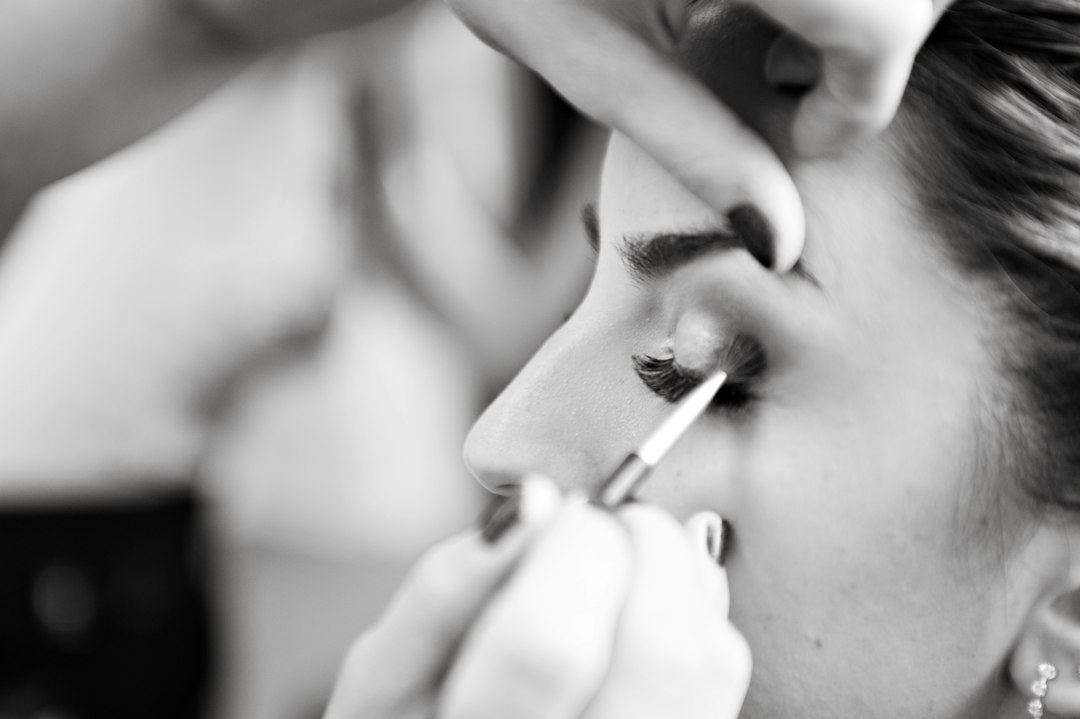
Trials should happen with enough time to try a second option if the first doesn’t feel right, but close enough to the date that your hair length and skin tone will be similar. This is also when to book your actual wedding-day artist, since good ones get booked out months in advance. For lashes, our Lash Lift vs. Lash Extensions guide can help you decide ahead of time. Start with a Bridal Trial to lock in your look before booking your Bridal Day-Of service.
2-3 months before: Start any hair color changes
If you’re planning a significant color change for the wedding, don’t do it in the final weeks. Give hair time to adjust and do a mid-point check to fine-tune the shade before the big day.
4-6 weeks before: Final hair cut or style adjustment
Get any haircut finalized here — enough time to grow out a bad cut if needed, but close enough that length and layers will look the same on the day.
1-2 weeks before: Final skin and brow prep
Book your last facial about 1-2 weeks out (not the day before — some treatments cause temporary redness). Same goes for eyebrow shaping or tinting.
2-3 days before: Manicure and pedicure
Fresh enough to look perfect in photos, but with enough buffer that any smudges can be fixed before the day itself.
The day before: Nothing new
Avoid trying any new product or treatment the day before your wedding. This isn’t the time to test how your skin reacts to something unfamiliar.
Choosing Your Bridal Beauty Team
What to look for in a bridal makeup artist
Beyond a portfolio you love, ask specifically about their experience with weddings versus editorial or everyday makeup — wedding makeup needs to last through hours of photos, tears, hugs, and often a full day and evening, which requires different products and techniques than a quick makeup session. Ask how many weddings they typically do in a season, whether they bring an assistant for larger bridal parties, and what their policy is if the wedding runs long.
Questions worth asking before booking
- Do they travel to your venue, and is there a travel fee?
- What’s included in the trial — is it a separate cost, and does it count toward the wedding-day price?
- What brands and products do they use, and can they accommodate sensitive skin or specific allergies?
- Is there a deposit, and what’s the cancellation or rescheduling policy?
- Do they carry touch-up products for you to keep during the reception?
Coordinating hair and makeup on the same team vs. separate artists
Some brides prefer one artist who does both hair and makeup, which simplifies scheduling and communication. Others prefer specialists for each — a dedicated hairstylist and a dedicated makeup artist — arguing that specialization produces a better result in each area. Either approach can work well; what matters most is confirming timing logistics in advance so hair and makeup don’t compete for the same block of time on the morning of the wedding.
Skin Prep: A Closer Look
Why the 6-8 month skin treatment window matters
Many effective skin treatments — chemical peels, microneedling, laser treatments for pigmentation or texture — require multiple sessions spaced weeks apart to see full results, plus recovery time between sessions where skin may look temporarily worse (redness, peeling, sensitivity) before it improves. Starting 6-8 months out builds in enough buffer for a full treatment course plus a comfortable margin before the wedding, even if a treatment needs to be repeated or adjusted.
What to avoid in the final weeks
Beyond avoiding brand-new products, the final 1-2 weeks isn’t the time for a first-time facial with an unfamiliar esthetician, a new retinol strength, or any treatment with unpredictable downtime like a deep chemical peel. Stick to treatments and products your skin has already tolerated well.
Hydration and sleep in the final week
Skin’s appearance is genuinely affected by hydration and sleep — puffiness, dullness, and under-eye circles are all worsened by dehydration and poor sleep. In the final week, prioritizing water intake and sleep isn’t just general wellness advice; it has a visible effect on how skin looks in photos.
Budgeting for Bridal Beauty
Bridal beauty costs vary enormously by region, artist experience, and how many services are included, so rather than specific figures, here’s what typically factors into the total:
- Trial session(s): Often priced separately from the wedding-day service, sometimes with a second trial available at additional cost if the first doesn’t hit the mark.
- Wedding-day hair and makeup for the bride: Usually priced higher than a standard salon service given the specialized skill, timing pressure, and all-day durability required.
- Bridesmaids and family members: Often priced at a different rate than the bride’s service, and coordinating a group adds scheduling complexity worth discussing with your artist in advance.
- Travel fees: If your artist is coming to a venue rather than you visiting their studio, travel costs are commonly added, especially for destination or out-of-town weddings.
- Touch-up kits or on-site touch-ups: Some artists offer to stay for part of the reception for touch-ups, which is usually an additional cost.
Getting a full, itemized quote before booking — rather than just a starting price — helps avoid surprises closer to the date.
Coordinating Bridesmaids and Family
If multiple people need hair and makeup done on the wedding morning, timing becomes one of the most stressful logistics to manage. A few practices that help:
- Build in buffer time. Each person typically takes longer than initially estimated, especially with a full bridal party — padding the schedule by 15-30 minutes overall prevents a rushed, stressful morning.
- Decide the order early. The bride often goes last so her look is freshest for photos, but confirm this with your artist since some prefer the opposite for other reasons (like needing more time to perfect the most important look).
- Communicate any specific requests in advance. If a bridesmaid has an allergy or a strong preference (no red lipstick, minimal hair product, etc.), let the artist know before the morning of, not in the middle of the appointment.
A Simple Wedding-Day Beauty Emergency Kit
Even with the best planning, small things come up during a long wedding day. A compact kit — carried by a bridesmaid, wedding planner, or left with a trusted person — commonly includes:
- Blotting papers or translucent powder for shine control
- A small mirror
- Bobby pins and a small hairspray or texturizing spray for touch-ups
- Lipstick or lip gloss matching your makeup look, for reapplication after eating or drinking
- Tissues (for happy tears without smudging makeup, if using waterproof products underneath)
- A small nail file, in case of a snagged nail
- Band-aids, in case new shoes cause blisters
Destination and Travel Wedding Considerations
If you’re getting married somewhere other than where you normally get hair and makeup done, a few extra considerations apply. Some brides choose to fly in their regular artist, which adds travel and accommodation costs but keeps the trial and wedding-day artist consistent. Others book a local artist at the destination, in which case scheduling a trial (in person if possible, or at minimum a detailed video consultation) becomes even more important since you likely haven’t worked with them before. Climate matters too — humidity, heat, or altitude at the destination can affect how long makeup and hairstyles hold up, which is worth discussing directly with whichever artist you choose.
Frequently Asked Questions
What if I don’t love my trial?
A trial that doesn’t feel right isn’t a failure — it’s exactly what the trial is for. Give specific feedback (too heavy, wrong color, wanted more natural texture) rather than general dissatisfaction, since specific notes are much easier for an artist to adjust from. If concerns remain after a second attempt, it’s reasonable to consider a different artist, ideally with enough time left before the wedding to still book someone else.
Should I get my hair trial done with my veil or hair accessories?
Yes, if possible — bring your veil, hair accessories, or a reference photo of how you plan to wear them. Accessories can change how a hairstyle needs to be built, and it’s much better to catch this at the trial than to improvise on the wedding morning.
How early should bridesmaids book their own trials, if they want one?
Bridesmaid trials are optional and less common than the bride’s, but if bridesmaids want one — especially for an unusual request or if they have hair or skin concerns — booking around the same 4-6 month window as the bride’s trial keeps scheduling simple.
Preparing Skin for the Honeymoon, Not Just the Wedding
Many brides focus entirely on wedding-day skin and forget that honeymoon skin matters too, especially for destinations involving sun, sand, chlorine, or a significant climate change. If your honeymoon involves a beach or pool, consider that fresh chemical treatments (peels, strong retinoid use) can leave skin more sun-sensitive right when you’ll likely be spending extended time outdoors — timing any aggressive treatments to fully resolve well before travel, not just before the ceremony, avoids uncomfortable sunburn or irritation on what should be a relaxing trip.
Packing a travel skincare kit with your established, already-tested products (rather than experimenting with new ones while traveling) reduces the risk of a reaction in an unfamiliar place, potentially far from a dermatologist or pharmacy you trust.
Post-Wedding Skin and Hair Recovery
Wedding week often involves more product use than usual — heavier makeup, more heat styling, possibly spray tan or extra treatments — and it’s common for skin and hair to need a short recovery period afterward. A gentler routine for a week or two post-wedding (simple cleansing, extra moisture, a break from heavy makeup and heat styling where possible) helps skin and hair recover before returning to a normal routine. If you experienced any breakouts from wedding-week stress or unfamiliar products, resist the urge to try aggressive new treatments to fix it quickly — often the most effective response is simply returning to a consistent, gentle routine and giving it a few weeks.
Coordinating with Your Photographer and Planner
Your hair and makeup timeline doesn’t exist in isolation — it needs to sync with your photographer’s schedule, particularly if you’re doing a first look or getting-ready photos. Photographers often want to capture the final touches of hair and makeup application, which means confirming with your artist roughly how long before “done” they’d like the photographer present. Sharing your beauty timeline with your wedding planner or day-of coordinator (if you have one) means they can help keep things on schedule and communicate any delays to other vendors, rather than that responsibility falling on you during an already busy morning.
A Note on Grooms and Wedding Parties Beyond the Bride
Bridal beauty planning often centers on the bride, but grooms and other members of the wedding party increasingly book their own pre-wedding grooming appointments — haircuts, beard trims and shaping, and sometimes facials, especially for close-up photos. A haircut roughly 1-2 weeks before the wedding (enough time for it to settle and look natural, not “fresh cut” stiff) is a common approach, similar logic to the bride’s final haircut timing. If the groom is trying a new beard style or growing out facial hair for the wedding, starting that process several months in advance avoids an awkward in-between stage on the actual day.
When Plans Change: Postponements and Rescheduling
Wedding dates sometimes shift due to circumstances outside anyone’s control. If your date moves, revisit your beauty timeline rather than assuming everything simply shifts by the same amount — skin treatments that were perfectly timed for the original date may need reassessment, and it’s worth reaching out to your hair and makeup artists as soon as a new date is confirmed, since their availability for the new date isn’t guaranteed even if they did your original trial.
Building Your Own Personalized Timeline
The timeline in this guide is a general framework, not a strict formula — the right schedule for you depends on your specific treatments of interest, hair length and history, skin concerns, and how elaborate your wedding-day look will be. A simple way to personalize it: list every beauty-related item you’re considering (skin treatments, hair color, cut, nails, spray tan, brow shaping, makeup and hair trials), then work backward from your wedding date based on how much lead time each one realistically needs, cross-referencing with the general ranges in this guide. Building this out a full year in advance, even loosely, makes the months closer to the wedding far less stressful, since most of the scheduling decisions are already made.
Matching Your Hairstyle to Your Dress and Venue
Necklines and hairstyle
Certain dress necklines pair better with certain hairstyles simply for visual balance. A high neckline or heavily detailed collar (like a high lace neckline) often looks best with hair pulled back or up, so the neckline detail isn’t visually competing with loose hair. Strapless or off-the-shoulder necklines, by contrast, often look striking with hair down or in a loose, textured style that draws attention to the shoulders and collarbone. This isn’t a strict rule, but it’s a useful starting point when discussing options with your stylist during the trial.
Venue and climate considerations
An outdoor summer wedding in high humidity calls for a different styling approach than an indoor winter wedding — humidity-resistant products, updos that hold better in heat, or accepting that some natural texture and movement will happen regardless of styling. A stylist familiar with your specific venue or similar outdoor conditions in your region can usually recommend a style, and specific products, more likely to last through the ceremony and reception without needing major touch-ups.
Wedding-Day Nerves and Their Effect on Your Look
It’s worth acknowledging that stress and nerves on the wedding day are completely normal and can have small physical effects — flushed skin, minor breakouts from stress hormones in the days leading up, or simply feeling too anxious to sit still during application. Communicating with your makeup artist if you’re feeling stressed isn’t awkward; experienced bridal artists are used to it and can often adjust their pacing or approach to help you feel calmer during the process. Building extra buffer time into your morning schedule, beyond what feels strictly necessary, also reduces the compounding stress of feeling rushed on top of everything else happening that day.
Second-Day and After-Party Looks
Some couples plan a second event — a next-day brunch, an after-party, or a reception separate from the ceremony — and it’s worth deciding in advance whether you want a completely fresh look for that event or a simplified version of your wedding-day look. A simplified version (taking hair down from an updo, switching to a more casual lip color, removing false lashes) is often easier logistically than booking a second full appointment, though some brides do prefer a distinct second look, especially for a reception with a different dress or theme. Discussing this with your artist during the initial consultation, rather than as an afterthought, means they can plan products and techniques that transition well between the two looks.
A Final Checklist Before Your Wedding Week
As the wedding week arrives, a short final check can catch anything overlooked earlier in the planning process: confirm all appointment times and locations with every artist involved, confirm who is paying and how (cash, card, deposit already covering part of the balance), pack your emergency kit, confirm your trial photos or notes are accessible in case your artist wants to reference them, and share your final morning-of timeline with everyone getting ready alongside you so there’s no confusion about arrival times. Most stress on the actual day comes from small logistical surprises rather than the beauty services themselves, so a few extra minutes of confirmation in the final week goes a long way toward a calm morning.
What if it rains or the weather doesn’t cooperate?
For outdoor weddings, discuss a rain or weather contingency with your hairstylist in advance — some styles hold up better in humidity or wind than others. A stylist experienced with outdoor weddings in your area can usually recommend a style that photographs well and survives the actual conditions rather than only looking good indoors.
Ready to book? Explore our Bridal Makeup services, including Bridal Trial, Bridal Day-Of, and Bridesmaids Makeup — or find more local options through our Boise Bridal & Makeup directory.



Lash Lift Vs. Lash Extensions: Which One Should You Actually Get? - Verlure Beauty Studio
September 27, 2026 - 4:35 pm[…] Your Bridal Beauty Timeline: What to Book and When […]