
Subtotal $0.00




If you have just paid for a smoothing treatment, or you are thinking about booking one, the first question is almost always the same: how long does a keratin treatment last? The honest answer is that most keratin treatments give you roughly 3 to 5 months of smoother, easier hair, and that number can swing quite a bit depending on your hair type, how often you wash it, and what you do in the first few days afterward.
This guide walks through realistic timelines for different hair types, what makes the results fade faster, exactly what to do (and not do) after your appointment, how to tell when the treatment is wearing off, and how often you can redo it without overworking your hair. It is written from the point of view of a working Boise salon, where dry air and hard water change how smoothing treatments behave. If your main problem is frizz and you are still trying to work out the cause, start with our guide to why your hair is so frizzy, then come back here. And if you already know you want one, you can read about our keratin smoothing service at any time.
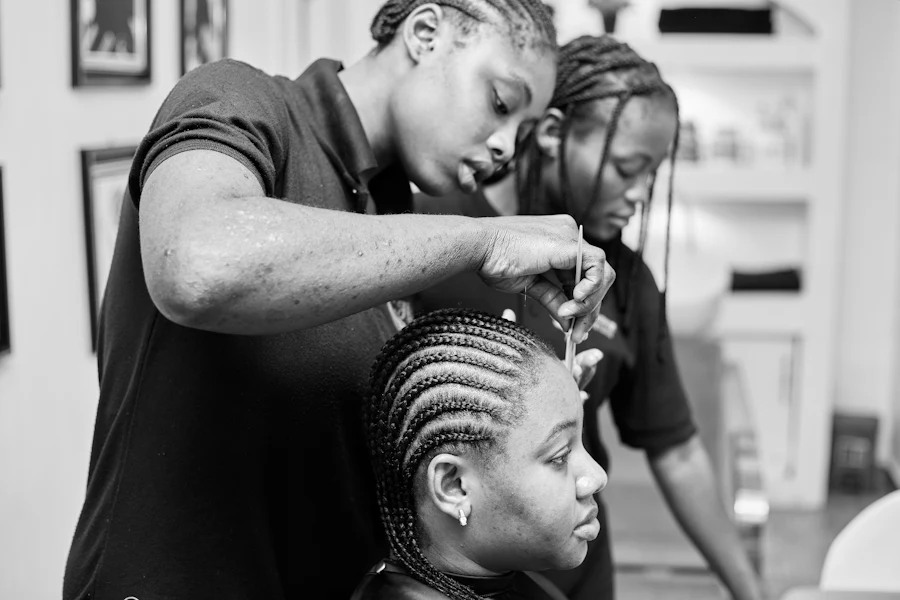
The Short Answer: How Long Does a Keratin Treatment Last?
For most people, a professional keratin treatment lasts about 3 to 5 months. Some lighter, lower-strength formulas fade closer to 8 to 12 weeks, and some clients with thick, coarse hair keep a noticeable smoothing effect for 5 to 6 months. It does not switch off on a single day. The effect fades gradually, a little more with every wash, until your hair slowly settles back toward its natural texture.
Here is what that usually looks like in practice:
- Weeks 1 to 3: Peak results. Hair is at its smoothest and shiniest, and blow-drying takes a fraction of the usual time.
- Weeks 4 to 10: Still clearly smoother than before, with much less frizz. Most people feel they are getting their money’s worth in this window.
- Months 3 to 5: The coating wears down. Frizz creeps back first around the ends and the crown, and humidity or dry winter air starts to affect your hair again.
- After the treatment is gone: Your natural wave or curl pattern returns. Any new growth at the roots was never treated, so you will notice two textures by about month 3.
What a Keratin Treatment Actually Does
It helps to understand what you are paying for, because it explains why the results fade. Each hair strand is covered in tiny overlapping scales called the cuticle. When those scales lie flat, hair looks smooth and reflects light. When they lift, which happens with dryness, heat damage, color processing, or humidity, the strand looks rough and frizzy.
A keratin smoothing treatment coats the strand with a protein-based solution and seals it in with heat, usually a flat iron. That coating smooths the cuticle, fills in rough spots, and makes the hair less likely to swell and puff up. It reduces frizz, cuts down blow-dry time, and leaves hair softer and shinier.
What it does not do is permanently change your hair. It is not a relaxer, and it does not rebuild damaged hair at a structural level. The coating gradually washes away, which is why the effect is temporary. Hair that was treated stays treated until it is cut off, but the smoothing benefit fades long before that.
Typical Timelines by Hair Type
These are general ranges. Your stylist’s product, the strength of the formula, and your own habits matter more than any chart, but hair type is a good starting point.
Fine or thin hair
Fine hair tends to hold keratin for about 2 to 4 months. There is less surface for the coating to cling to, and people with fine hair often wash more frequently because it looks flat or oily sooner. Fine hair also shows frizz less dramatically to begin with, so many clients with fine hair find a keratin treatment is more about shine and ease than a huge visual change.
Medium, wavy hair
This is the sweet spot. Medium-density wavy hair commonly keeps results for 3 to 5 months, and the visible change is large because wavy hair frizzes easily when left to air dry. If you want the most noticeable before-and-after, this is usually where it shows up.
Thick, coarse, or curly hair
Thick hair often holds a smoothing effect longest, sometimes 4 to 6 months, simply because there is more hair to coat and it is harder for water to strip the treatment evenly. With curly or coily hair, keep your expectations realistic: a keratin treatment usually loosens and smooths the curl rather than turning it pin straight, and the amount of change depends on the formula and how many passes your stylist does.
Color-treated or lightened hair
Lightened and heavily colored hair is more porous, so it absorbs the treatment readily and can look fantastic afterward. The trade-off is that porous hair can also lose the coating faster and may feel dry if it was already stressed. If your hair has been lightened recently, tell your stylist so they can judge whether it needs conditioning work first.
Very damaged hair
If your hair is already breaking, snapping when wet, or feels gummy, a keratin treatment is usually not the right first step. Heat plus a chemical coating on very fragile hair can make breakage worse. A good stylist will tell you honestly when to rebuild your hair first and smooth it later.
Whatever your hair type, the single biggest variable is you. Two clients with nearly identical hair can see a difference of several weeks in results just from how often they wash and whether they use sulfate-free products. Treat the ranges above as a guide, and ask your stylist for a personal estimate after they have seen and felt your hair.
What Makes Keratin Fade Faster
Two people can get the same treatment on the same day and see very different results. These are the most common reasons a treatment wears off early.
- Washing too often. Every wash removes a little of the coating. Washing daily can easily cut the life of a treatment by weeks. Washing 2 to 3 times a week is a more realistic goal.
- Sulfate shampoos. Strong cleansing detergents strip the smoothing layer quickly. Switch to a sulfate-free shampoo for the life of the treatment.
- Hot water. Very hot showers lift the cuticle and speed up fading. Lukewarm water is gentler.
- Chlorine and salt water. Pools and hot tubs are some of the fastest ways to lose a treatment. If you swim, wet your hair with clean water first, wear a swim cap if you can, and rinse and condition right afterward.
- Hard water minerals. Many Boise homes have hard water, and mineral buildup can leave hair feeling rough and dull, which makes a treatment look like it has worn off sooner. A shower filter and an occasional gentle chelating or clarifying wash (approved by your stylist) can help.
- Unprotected heat styling. Daily hot tools without a heat protectant degrade the coating and the hair under it.
- Tight styles and friction. Constant ponytails, rough towel drying, and cotton pillowcases create friction that roughens the cuticle.
Most of these overlap with the everyday habits that keep any hair healthy. If you want the full list, our post on everyday hair care habits that actually make a difference covers the basics that also protect a smoothing treatment.
Keratin Aftercare: The First 72 Hours
The first few days after your appointment matter more than anything else you do afterward. The treatment is still setting, and small mistakes in this window can shorten the results. Always follow the specific instructions your stylist gives you, because timing varies by product.
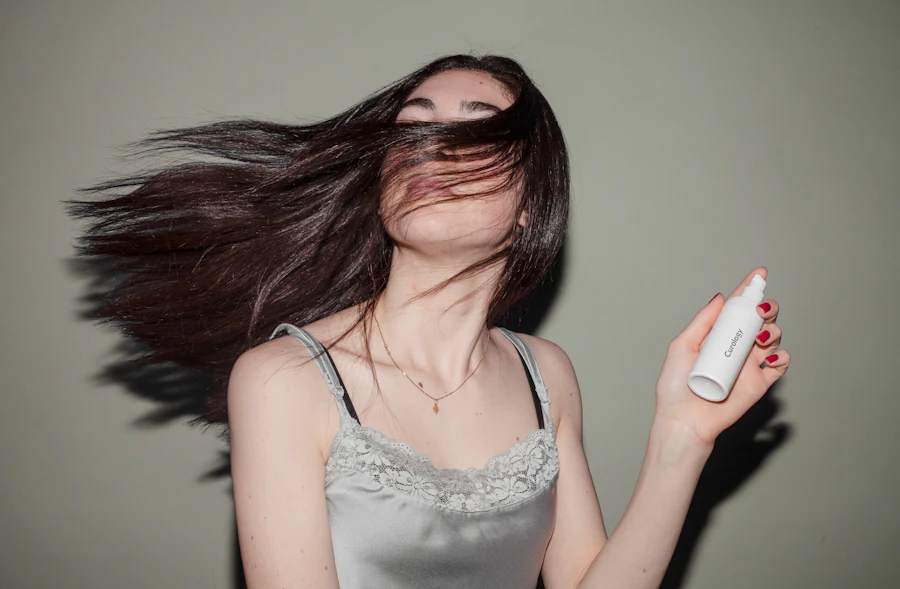
Do not wash your hair
Many stylists ask you to wait 48 to 72 hours before the first wash, though some modern formulas allow a shorter wait. Ask exactly how long for the product used on you, and write it down. Washing early is one of the most common reasons a treatment disappoints.
Keep your hair straight and free of bends
While the treatment is still settling, avoid anything that bends or dents the hair: ponytails, clips, headbands, hair ties, tucking hair behind your ears, and wearing sunglasses or glasses pushed up on your head. A crease set into hair in this window can stay visible for weeks. Sleeping on a clean silk or satin pillowcase with your hair loose helps too.
Avoid water, sweat, and steam
Skip the gym, saunas, steamy showers, pools, and heavy rain for the first few days. Sweat and moisture can interfere with the treatment before it has fully bonded to the hair.
Use only what your stylist approves
Do not reach for a regular shampoo, a clarifying treatment, or heavy styling products without checking. A sulfate-free aftercare shampoo and conditioner made for treated hair is worth the small extra cost.
Weeks 1 to 12: A Maintenance Routine That Extends Results
Once the first few days are behind you, a simple routine can add weeks to the life of your treatment:
- Use a sulfate-free shampoo and wash 2 to 3 times a week instead of daily. Dry shampoo can fill the gaps.
- Wash with lukewarm water and focus shampoo on the scalp, not the lengths.
- Condition the mid-lengths and ends every wash, and use a deeper mask once a week.
- Apply a leave-in conditioner and a heat protectant before any heat styling.
- Blow-dry on medium heat with the nozzle pointing down the hair shaft, from roots to ends, which keeps the cuticle flat.
- Pat hair dry with a microfiber towel or an old cotton t-shirt rather than rubbing it.
- Rinse with cool water at the end of a shower to help the cuticle lie flat.
- Book a trim every 8 to 12 weeks, because split ends make frizz look worse even when the treatment is still working.
Regular trims are the easiest thing to forget. A fresh haircut and style keeps the ends sealed and neat, which makes a keratin treatment look better for longer.
Signs Your Keratin Treatment Is Wearing Off
You will usually notice it gradually rather than overnight. Common signs include:
- Frizz returning around the crown, hairline, and ends first
- Hair taking noticeably longer to blow-dry
- Your natural wave or curl pattern starting to return, especially after washing
- Hair puffing up in humidity or reacting to static in dry weather
- A rougher, less slippery feel when you run your fingers through wet hair
- Two clear textures: smooth lengths and a wavier or frizzier root area
Seeing one or two of these does not mean the treatment is gone. It means it is entering the last third of its life, and you can start planning your next appointment.
How Often Should You Get a Keratin Treatment?
Most stylists suggest repeating a keratin smoothing treatment every 3 to 4 months for people who want continuous results, and every 4 to 6 months for people who are happy to let it fade in between. There is no single universal rule, and recommendations vary by product and by how healthy your hair is.
A few principles worth following:
- Do not stack treatments too early. Repeating a treatment while the previous one is still working adds heat and chemical stress without much extra benefit.
- Let your hair’s condition decide. If your hair feels dry, brittle, or stretchy, wait and focus on conditioning before the next round.
- Ask for an honest assessment. A good stylist will tell you when your hair needs a break instead of just rebooking you.
It also helps to think about cost per month. At our current range of roughly $150 to $300 per treatment, a service that lasts 3 to 5 months works out to about $30 to $100 a month, and that is before you count the time saved on blow-drying every morning. You can check our current pricing for exact rates, since the final price depends on your hair length and thickness.
Keratin Treatments and Hair Color
If you color your hair, timing matters. In general, stylists prefer to color first and then do the keratin treatment about one to two weeks later, because coloring after a keratin treatment can pull some of the smoothing coating out and may shift the shade. Keratin can also slightly soften or fade some colors, especially bright or fashion shades, so it helps to plan the two services together.
If you are considering highlights or a full color change at the same time, talk it through at your consultation so the services can be sequenced properly. For a plain-language explanation of the main techniques and how to choose between them, see our complete guide to hair coloring.
Is Keratin Safe? What to Ask Your Salon
This is a fair question, and a good salon will answer it directly. Some hair smoothing products release formaldehyde gas when they are heated, and the U.S. Food and Drug Administration recommends that consumers ask their salon about the ingredients in the smoothing product being used. You can read the agency’s overview on its page about hair smoothing products that release formaldehyde when heated.
Before you book any smoothing treatment, ask:
- Which product is being used, and what are its ingredients?
- How does the salon ventilate the space during the heat step?
- Is this product appropriate for my hair condition and history?
- What should I expect to feel or smell during the service?
If you are pregnant, have asthma or another breathing condition, or are sensitive to strong fragrances and chemicals, speak with your doctor before booking and tell your stylist. A reputable salon will not push you to go ahead if you have concerns.
Keratin vs. Other Ways to Smooth Your Hair
Keratin is only one option, and it is not always the right one. Here is how it compares:
- Blowout: A professional blowout gives smooth, polished hair for a few days up to a week, and washes out completely. It is the lowest-commitment option, good for events or if you are not ready for a longer treatment.
- Deep conditioning and bond-building treatments: These improve hair health and softness but do not coat the cuticle in the same way, so the smoothing effect is milder and shorter-lived.
- Keratin smoothing: A middle ground. It lasts months, reduces frizz and drying time, and keeps your natural movement.
- Chemical straightening or relaxers: These change the hair’s structure and are far more permanent and more demanding on the hair. They are a different category of service.
Is a Keratin Treatment Worth It in Boise’s Climate?
Boise’s dry air, cold winters, and hot summers are tough on hair, and a lot of local frizz comes from dryness and static rather than classic humidity. A keratin treatment does not add moisture, but it smooths and seals the surface of the hair, so strands lose less water and look less rough. The biggest practical benefit most clients notice is time: a blow-dry that used to take 45 minutes can drop to 15 or 20.
A keratin treatment is usually worth considering if:
- Frizz is a daily battle and you spend a lot of time blow-drying and flat ironing
- You want your hair to look polished with less effort
- Your hair is healthy enough to handle heat and a coating
It may not be the right fit if:
- You love your natural curl pattern and do not want it loosened
- Your hair is already very damaged or breaking
- Your hair is very fine and you rely on natural volume for body
If you are not sure which camp you are in, a short consultation can answer it in a few minutes, and you can see the full range of hair services in Boise we offer alongside it.
Frequently Asked Questions
How long does a keratin treatment last on curly hair?
On curly or coily hair, a keratin treatment typically lasts 3 to 5 months, sometimes a little longer on thick hair. It usually loosens and smooths the curl rather than straightening it completely, and the visible change depends on the formula and the number of passes.
When can I wash my hair after a keratin treatment?
Many stylists recommend waiting 48 to 72 hours, but this depends on the product. Always follow the exact instructions your stylist gives you, since washing too early is one of the most common causes of a treatment fading quickly.
Can I swim after a keratin treatment?
It is best to avoid pools, hot tubs, and salt water for at least the first few days, and to limit them afterward, because chlorine and salt strip the coating. If you do swim, wet your hair with clean water first, wear a swim cap if you can, and rinse and condition immediately afterward.
Does a keratin treatment damage hair?
A keratin treatment is not meant to damage healthy hair, but it does involve heat and a chemical coating, so very fragile or over-processed hair can suffer. Following aftercare rules, not repeating it too often, and choosing a stylist who assesses your hair first all reduce the risk.
Can I color my hair after a keratin treatment?
Many stylists prefer to color first and apply keratin one to two weeks later, since coloring afterward can strip some of the coating. If you color regularly, ask your stylist how to sequence the two services for your hair.
Is a keratin treatment the same as a Brazilian blowout?
The terms are often used interchangeably, but products differ in their ingredients and how they work. Ask your salon exactly which product they use, and about its ingredients, before you book.
Ready to Book Your Keratin Smoothing Treatment?
If frizz is eating up your mornings, a keratin treatment can give you months of easier, smoother hair, and with the right aftercare you can stretch the results toward the longer end of that 3 to 5 month window. We will look at your hair, talk through your routine, and tell you honestly whether it is the right service for you. Take a look at our keratin smoothing treatment, check pricing, or book your appointment and we will take it from there.