Subtotal $0.00



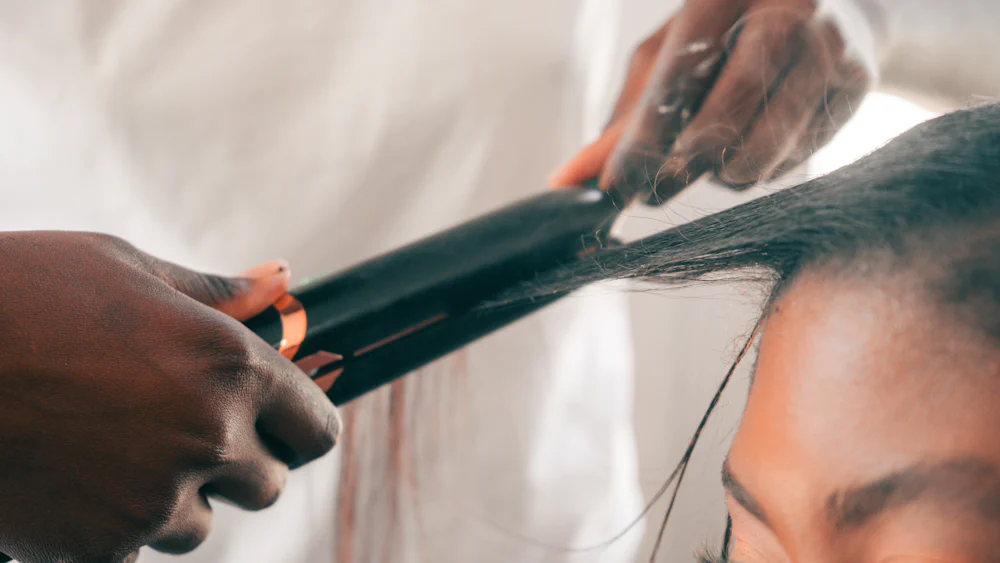
You leave the salon with smooth, bouncy hair, and by the next morning it has gone flat, frizzy, or limp. If you have ever wondered how to make a blowout last longer, you are not alone. The honest answer is that a professional blowout is a styling service, not a treatment, so it will not last forever. But with the right prep, a few smart night-time habits, and a short list of products, most people can stretch a blowout from a day or two to several days of good hair.
This guide explains how long a blowout usually lasts, what makes it fall, and exactly what to do before, during, and after your appointment to keep it looking fresh. It also covers products, sleep, humidity, hair types, and when a longer-lasting option like a smoothing treatment makes more sense. For the everyday basics behind healthy hair, our guide to 10 everyday hair care habits is a good companion read.
How Long Does a Blowout Last?
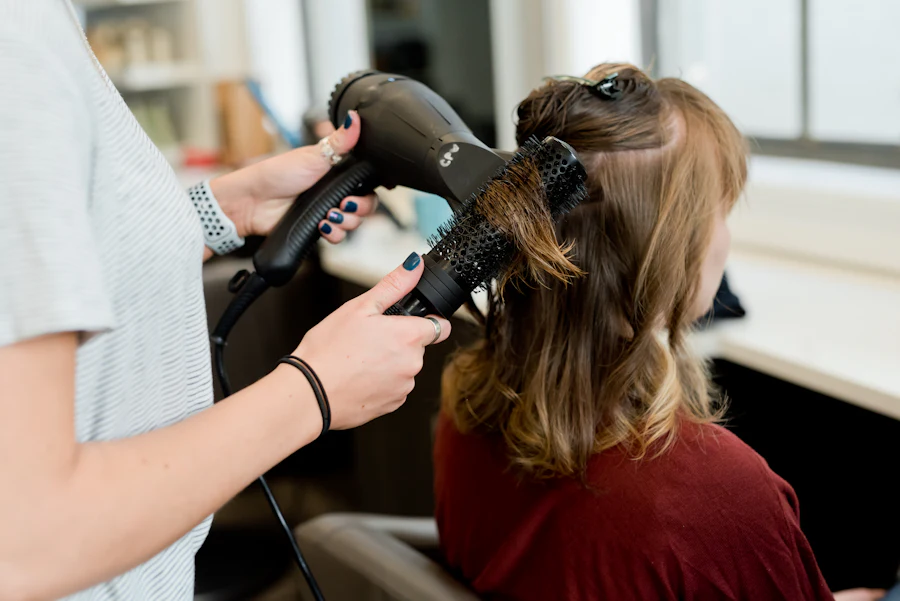
Most blowouts look their best for about three to five days when cared for properly. Some hair types hold a style for a full week, while fine, oily, or very curly hair may start to change after a day or two. The result depends on your hair type, the technique used, the weather, and how you treat your hair afterward.
A blowout works by drying wet hair into a new shape using heat, tension, and a brush. Heat temporarily reshapes the hair, but moisture in the air and on your scalp slowly pulls the hair back to its natural pattern. That is why a blowout will relax over time, and why humidity, sweat, and water are its biggest enemies.
What affects how long it lasts
- Hair type: Straight and thick hair usually holds a style longer. Fine hair loses volume quickly, and curly or coily hair tends to revert as it absorbs moisture.
- Hair condition: Healthy, well-conditioned hair holds shape better than dry, damaged, or overly porous hair.
- Oil production: An oily scalp flattens roots faster, especially around the crown and part.
- Weather: Humidity can bring frizz and curl back within hours. Dry, cold air can add static.
- Technique: A skilled stylist dries hair fully, sets it with tension, and finishes with a cool shot to lock the shape.
- Aftercare: How you sleep, touch, and style your hair makes a measurable difference.
Why Does a Blowout Fall Flat or Frizz Up?
Moisture from the air
Hair absorbs water from humid air and swells, which lifts the cuticle and creates frizz. Even a small amount of moisture can loosen a smooth finish.
Natural oils from your scalp
As oil moves down the hair, it weighs it down and flattens volume. This is the main reason roots go limp first.
Friction and touching
Hands, pillows, scarves, and hats rub against the hair and disturb the smooth surface. Constant touching also transfers oil from your fingers.
Sweat and workouts
Sweat adds moisture and salt to the roots, and many people tie their hair back, leaving creases that are hard to remove.
Wet hair or incomplete drying
If hair was not fully dry when styled, it will relax and curl quickly. Hair that feels dry but is slightly damp inside is a common cause of short-lived blowouts.
Heavy products
Too much oil, serum, or conditioner can pull hair down. A blowout needs lightweight products that smooth without weighing hair down.
Before Your Appointment: Set Up a Longer-Lasting Blowout
What you do before you sit in the chair affects how your blowout turns out and how long it holds.
- Come with a clear scalp. You do not need to wash the day of your appointment. Your stylist will wash your hair, so arrive with clean, product-free hair if you can.
- Avoid heavy conditioning the night before. Too much product can make hair slippery and harder to hold a shape.
- Bring photos. Show your stylist the finish you want, whether it is sleek and straight, soft waves, or big volume.
- Share your hair history. Tell your stylist about color, past smoothing treatments, or any damage so they can choose the right technique and heat level.
- Time it well. If you have an event, book your blowout one day beforehand for a more settled finish, or the same day if you want maximum volume.
- Ask about products. Your stylist can tell you which products helped create your finish, so you can use the same ones at home.
How to Make a Blowout Last Longer After You Leave the Salon
Wait before you do anything
For the first few hours, avoid tucking hair behind your ears, tying it back, or running your hands through it. Hair is still settling into its shape, and early pressure can leave dents or lift the smooth finish.
Keep it dry
Water is the biggest threat. Skip washing for as long as possible, and use a shower cap in the shower. If you want to wash your body, keep your head out of the spray. In humid weather or rain, wear a hood or carry an umbrella.
Protect your style overnight
How you sleep decides whether your blowout survives day two.
- Use a silk or satin pillowcase. It reduces friction, which limits frizz and tangles. We cover this in our hair care habits guide too.
- Loosely tie the hair up on top. A high, loose ponytail or a pineapple, held with a soft scrunchie, keeps roots lifted and ends smooth. Avoid tight elastics that leave dents.
- Try a loose braid for waves. If your style has bend, one or two loose braids can keep the shape.
- Wrap long hair in a silk scarf. It protects the surface and cuts down static.
- Do not go to bed with damp hair. Moisture will undo the style quickly.
Use dry shampoo the right way
Dry shampoo absorbs oil and refreshes roots, which is the first place a blowout goes flat. Spray it at the roots on day two, before the hair looks greasy, then wait a minute and massage in with your fingertips. Using it early works better than using it late. Use a light hand, because too much builds up and makes hair look dull.
Touch up with a brush, not heat
Use a clean, soft-bristle brush to smooth the surface. If you need heat, use a low setting and a heat protectant, and style only the sections that need it. Overusing hot tools wears down the finish and damages hair.
Do not touch it
Resist the urge to play with your hair. Every touch adds oil and friction. If hair is in your face, use a clip placed high rather than pulling it back tightly.
Best Products to Help a Blowout Last
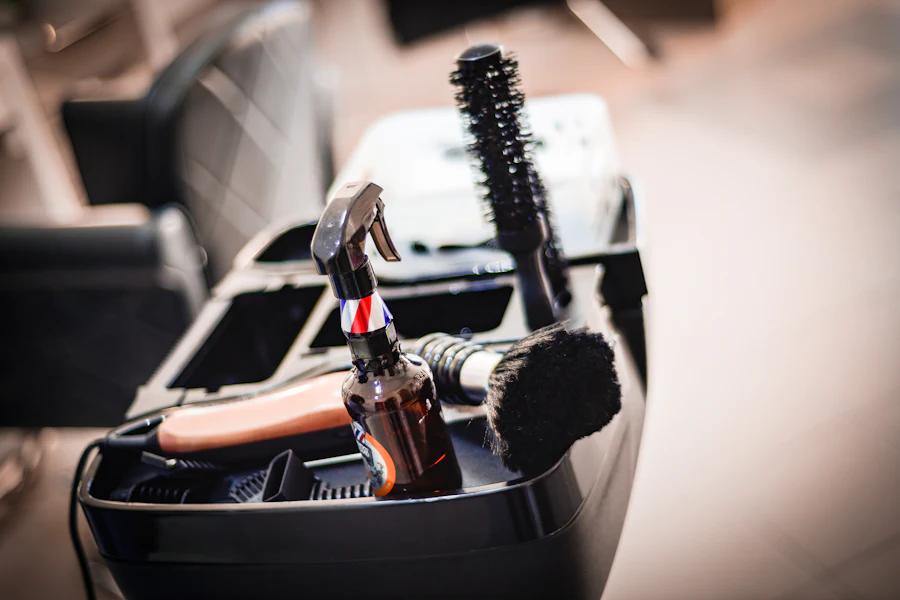
You do not need a full shelf of products. A few well-chosen ones do the work.
- Heat protectant: Essential before any hot tool. It protects hair and helps the style hold.
- Dry shampoo: Refreshes oily roots and adds a little grip and volume.
- Lightweight smoothing serum or cream: A tiny amount on the ends tames frizz without weighing hair down.
- Flexible-hold hairspray: A light mist keeps shape without making hair stiff.
- Anti-humidity spray: Helpful in damp weather. It forms a light barrier against moisture.
- Sulfate-free shampoo and a good conditioner: Helps hair stay smooth and healthy between appointments.
Avoid heavy oils, rich masks, and thick creams on a fresh blowout. They can flatten volume and make hair look greasy.
How to Handle Humidity and Weather
Boise has a high-desert climate, which means dry air much of the year, but weather still changes quickly. Winter heating and cold wind can cause static, while summer storms and sudden humidity can bring frizz.
- In dry, cold weather: Add a touch of smoothing serum to the ends and wear a silk-lined hat if you need one, since wool causes static and friction.
- In humid or rainy weather: Use an anti-humidity spray, keep a small brush handy, and avoid steamy bathrooms.
- In heat: Pull hair up loosely if you sweat, then let it down once you are cool.
Blowout Tips by Hair Type
Fine or thin hair
Fine hair loses lift quickly, so focus on the roots. Use a light volumizing spray, refresh with dry shampoo early, and avoid heavy products. A day-two touch with a few minutes of warm air at the crown can bring it back.
Thick or coarse hair
Thick hair holds a style well but can frizz and puff. A smoothing serum, a silk pillowcase, and careful drying will help it stay sleek.
Wavy and curly hair
Curly hair will want to return to its pattern. Dry it fully, use a heat protectant, and sleep with your hair wrapped or loosely tied. Expect a blowout to last a few days, then revert gently to curls.
Coily hair
Coily hair can be stretched with a blowout, but moisture is its biggest challenge. Protective styling at night, a silk scarf, and leave-in moisture help the finish hold and protect hair health.
Color-treated hair
Color-treated hair is more porous and can frizz faster. Use color-safe products and a leave-in heat protectant. For more on color, see our complete guide to hair coloring.
Common Mistakes That Shorten a Blowout
- Washing too soon. A blowout is built on dry hair. Wetting it resets the style.
- Using too much dry shampoo. Heavy buildup makes hair feel flat and gritty.
- Sleeping on loose, wet, or rough fabrics. Friction and moisture cause frizz.
- Tying hair tight. Tight elastics create dents that are hard to remove.
- Applying heavy product after styling. It weighs hair down.
- Touching it constantly. Fingers add oil and disturb the finish.
- Skipping trims. Split ends make hair look frizzy and rough. Our guide on getting rid of split ends explains why regular trims matter.
Professional Blowout vs. Doing It at Home
A home blow-dry can look great, but it rarely lasts as long as a professional one. Stylists have stronger, better-balanced tools, a wider range of brushes, and the technique to dry hair in sections with proper tension. They also take the time to dry every strand fully and finish with a cool shot of air, which sets the shape. Our blowout service in Boise is a wash and professional blow-dry, styled the way you want it, with no cut or color, and it is priced from $45 with a typical time of about 30 to 45 minutes.
If you prefer to style at home between appointments, a few basics help: start with towel-dried hair, use a heat protectant, work in sections, dry the roots first, and finish each section with cool air.
How Often Should You Get a Blowout?
There is no single rule. Many people book one every one to two weeks for a regular polished look, while others keep it for events, trips, and special occasions. If you want your hair to look good most days, a blowout every week or two, with a good night-time routine and dry shampoo in between, works well.
Keep in mind that frequent heat styling adds up. Use a heat protectant each time, give your hair rest days, and keep ends trimmed. A trim from our Haircut & Style service keeps the shape clean, which also helps a blowout look better and last longer.
Blowouts for Events, Weddings, and Photos
A blowout is a popular choice before parties, dates, photos, and weddings. For a big event, book your appointment as close to the day as works for your schedule, plan your sleep routine, and carry a small brush and hairspray for touch-ups. If you are getting married, our bridal beauty timeline explains when to book hair, makeup, and trials.
If makeup is part of the day, plan it too. Our guide on making your makeup last all day pairs well with a long-lasting blowout.
When a Blowout Is Not Enough: Longer-Lasting Options
If you want smooth hair for months, not days, a blowout alone may not be the right tool. A smoothing treatment changes how your hair behaves, so you spend less time fighting frizz. Our keratin smoothing service is built for that, and our guide on how long a keratin treatment lasts explains timelines and aftercare. If frizz is your main frustration, read why your hair is so frizzy to find the cause.
Common Myths About Blowouts
“A blowout damages hair every time”
Heat can dry hair when used carelessly or too often, but a blowout done with a heat protectant, good technique, and moderate temperature is not inherently damaging. Condition and trim regularly to keep hair healthy.
“You should wash your hair right after a blowout”
The opposite is true. Washing resets the style. Keep it dry and refresh with dry shampoo if needed.
“More hairspray means a longer blowout”
A heavy coat of spray can make hair stiff and sticky. A light mist of flexible hold works better.
“Blowouts only work on straight hair”
Blowouts suit many textures. Straight, wavy, curly, and coily hair can all be styled, though the finish and how long it lasts will vary.
“Clean hair holds a blowout better than day-old hair”
Fresh hair gives a smooth start, but a slightly settled blowout often looks more natural and holds better with light dry shampoo on day two.
A Simple Day-by-Day Plan
- Day 1: Leave your hair alone. Avoid touching and tight ties. Sleep with hair loosely tied up on a silk pillowcase.
- Day 2: Spray dry shampoo at the roots before oil shows. Smooth the surface with a clean brush.
- Day 3: Use a tiny amount of smoothing serum on the ends. Refresh the roots and use low heat only where needed.
- Day 4 and beyond: Put hair in a soft half-up style or loose braid, then plan your next wash and appointment.
Frequently Asked Questions
How long does a blowout last?
Most blowouts last about three to five days with good care. Fine, oily, or very curly hair may need a refresh sooner, while thick, healthy hair can look good for longer.
How can I make my blowout last longer overnight?
Use a silk or satin pillowcase, tie your hair loosely on top of your head or in a loose braid, and never go to sleep with damp hair.
Can I wash my hair after a blowout?
You can, but washing resets the style. To make it last, avoid wetting your hair for as long as possible and use dry shampoo to refresh the roots.
Does dry shampoo help a blowout last?
Yes. It absorbs oil at the roots, which is where a blowout goes flat first. Use it early, on day two, before the hair looks oily.
Why does my blowout fall flat so fast?
Oil, humidity, heavy products, and incompletely dried hair are the usual causes. Use lighter products, dry hair fully, and add dry shampoo at the roots.
How much does a blowout cost at The Glow Room?
Our blowout starts from $45 and takes about 30 to 45 minutes. See our pricing page for current details.
Ready for a Blowout That Lasts?
If you would like a salon-fresh finish and tips tailored to your hair type, our stylists can help. Explore all of our hair services, check our pricing, or book your appointment and we will take it from there.