
Subtotal $0.00



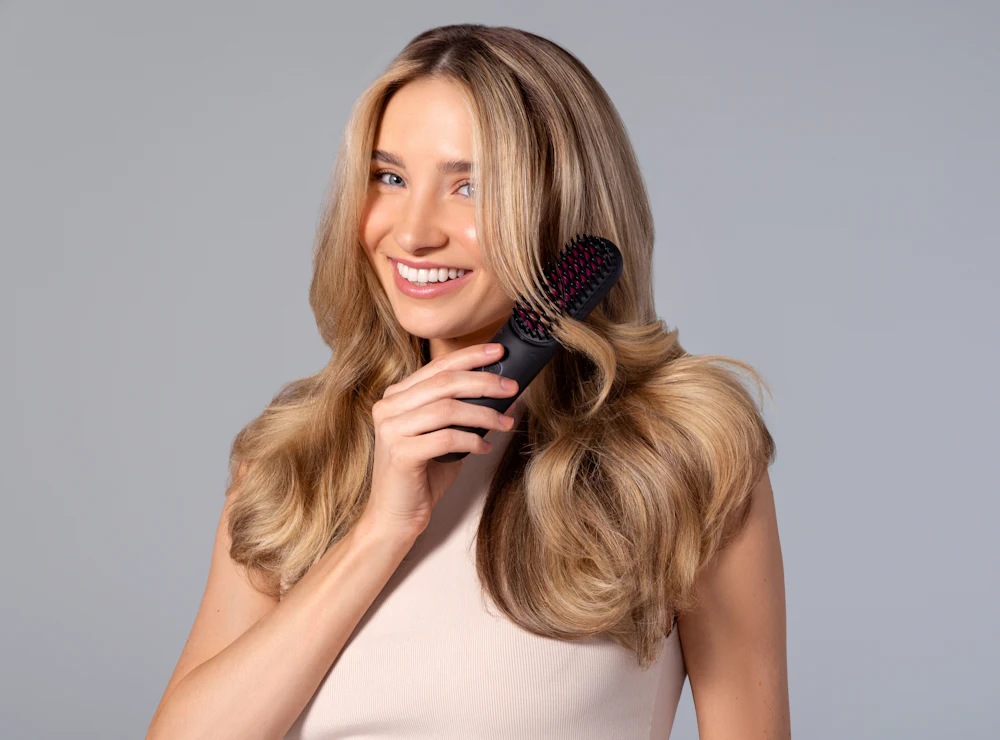
Few hair problems are as frustrating as split ends. You trim them, they come back. You buy a “repair” serum, and they still look the same a week later. If you have ever wondered how to get rid of split ends for good, the honest answer is both simple and a little disappointing: once a hair strand has split, the only way to truly remove the split is to cut it off. What you can do is stop new ones from forming, make existing ones look far less obvious, and keep your hair healthy enough that trims become a rare chore rather than a constant one.
This guide explains what split ends actually are, what causes them, which treatments really help (and which are mostly marketing), and how often you should trim. It is written from a Boise salon’s point of view, where dry air, hard water, and summer sun all put extra stress on hair. If your hair also feels rough and puffy, our guide to why your hair is so frizzy pairs well with this one.
What Are Split Ends?
Each strand of hair has a protective outer layer called the cuticle, made of overlapping scales that work a bit like roof shingles. When that layer wears away at the tip, the inner part of the hair, the cortex, is exposed, and the end begins to fray and separate into two or more thin branches. That is a split end, known in hair science as trichoptilosis.
Split ends are not a disease, and they are not caused by anything “in” your scalp. They are physical damage at the oldest part of the hair. Because hair grows only about half an inch a month, the ends of shoulder-length hair can be two or three years old by the time you notice them. That is a lot of brushing, heat, washing, and sun for one tiny piece of hair to survive.
The most common types of split ends
- The basic split: the end of the strand separates into two “Y” shaped branches.
- The tree or fork split: several smaller splits branch off one strand, like a tiny tree.
- The mini split: a short, fine fray at the very tip that is easy to miss.
- The mid-shaft split: the strand splits partway up, usually after a break or heavy damage, and this one makes hair look frayed even right after a trim.
- The white dot or knot: a small pale bump along the strand where the cuticle has worn through, which is often the start of a split.
The Real Answer: Can You Actually Get Rid of Split Ends Without Cutting?
Let us be straightforward. Hair is not living tissue once it leaves the scalp, so it cannot heal itself. No oil, mask, or serum can fuse a split strand back into one smooth fiber permanently. Products can temporarily glue, coat, or smooth the frayed tip so it looks and feels better, and that is genuinely useful, but the split is still there underneath.
So the practical plan has three parts:
- Cut off the split ends to remove existing damage.
- Stop creating new ones by changing the habits that wear down your hair.
- Disguise and protect the ends between trims with the right products.
Anyone who promises a one-time fix that makes split ends disappear forever is selling you something. A good stylist will tell you the same thing we are telling you here.
What Causes Split Ends?
Understanding the cause matters, because the fix depends on the habit. Most split ends come from a handful of everyday things.
Heat styling
Flat irons, curling irons, and blow dryers on high heat dry out the hair shaft and weaken the cuticle. Using a hot tool daily, especially without a heat protectant, is one of the fastest ways to create splits. Our guide to everyday hair care habits that make a difference covers heat habits in more detail.
Chemical treatments
Bleaching, lightening, and some color services open the cuticle to change the hair’s color, and that process leaves hair more porous and fragile. Heavily lightened hair is among the most split-prone. If you are planning a big color change, read our complete guide to hair coloring first so you know what to expect and how to protect your ends afterward.
Rough brushing and towel drying
Brushing wet hair from root to tip pulls on the weakest part of the strand. Rubbing hair hard with a regular towel roughs up the cuticle. Both cause tiny amounts of damage that add up over months.
Tight hairstyles and friction
Tight ponytails, rubber bands, and metal clips cause breakage, and so does friction against cotton pillowcases, scarves, and coat collars. Long hair that constantly rubs against clothing wears away at the ends first.
Sun, wind, and dry air
UV light breaks down the proteins in hair, and dry, windy weather strips moisture. Boise’s low humidity and strong summer sun make this a bigger factor here than in coastal cities.
Hard water and heavy washing
Mineral buildup from hard water can leave hair dull and brittle, and washing with harsh shampoos too often can strip natural oils that protect the ends.
Going too long between trims
Even with perfect habits, the ends of long hair eventually wear out. A split that starts at the tip will travel up the strand over time, so skipping trims makes a small problem a bigger one.
How to Tell if You Have Split Ends
You do not need a magnifying glass. Here are the common signs:
- The ends look thin, frayed, or see-through compared to the rest of your hair
- You can see strands that fork into two or more pieces when you hold them to the light
- Your hair tangles easily, especially at the bottom
- Ends feel dry, rough, or straw-like even after conditioning
- Hair looks dull, with no shine at the ends
- You find short, broken pieces of hair on your clothes or brush
A simple test is to take a small section of hair, twist it lightly, and run your fingers down it. Small pieces that stick out from the twist are often split or broken ends.
Is It a Split End or Breakage?
People often use these terms interchangeably, but they are not the same. A split end is a strand that is splitting at the tip. Breakage is when a hair snaps off at some point along its length, often leaving a short, jagged piece. Splits can lead to breakage, because a hair that splits keeps splitting upward until it breaks. If you are seeing a lot of short pieces rather than long, forked ones, your hair is likely breaking, and that usually points to dryness, over-processing, or rough handling more than just old ends.
How to Get Rid of Split Ends: Step by Step
Step 1: Get a proper trim
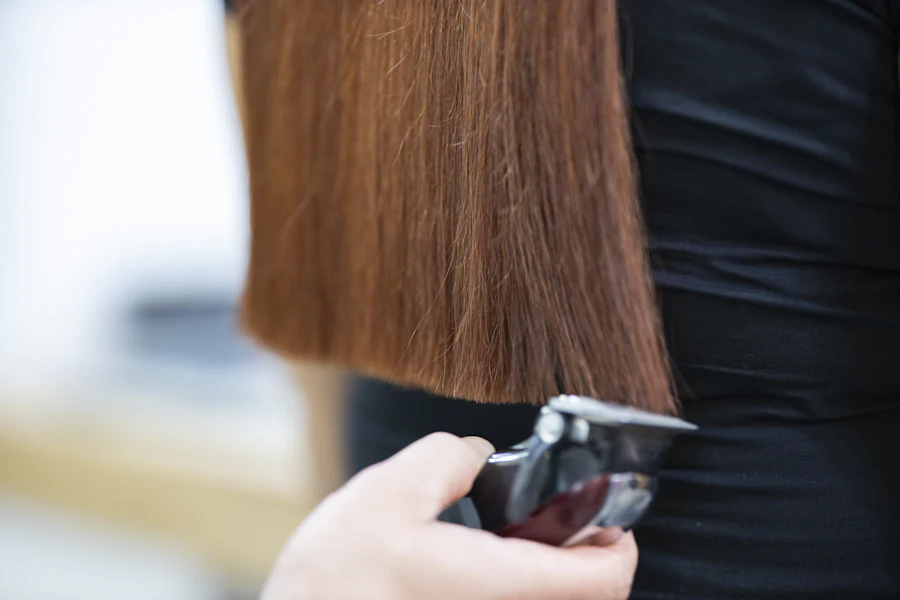
This is the only step that truly removes the split. A stylist will usually take off the damaged length, which is often between half an inch and two inches, and the amount depends on how far the splits have traveled up your hair. You do not need to lose major length. A small, regular trim keeps the damage from climbing, so you actually keep more length over time than if you wait until the ends are ruined. A haircut and style appointment is the quickest way to reset your ends, and our Boise hair salon services page shows what we offer.
Step 2: Ask about dusting if you want to keep length
“Dusting” means trimming off only the tiniest bit of the ends, often a quarter inch or less, to remove splits without changing the length or shape. It works best when your hair is mostly healthy and you simply want to stay ahead of damage. It is not a substitute for a real trim if the splits are already working their way up the strand, so ask your stylist which one fits your hair.
Step 3: Reduce heat and use protection
If you use hot tools, turn the temperature down, since fine or colored hair rarely needs more than medium heat, and always apply a heat protectant to dry-ish hair before styling. Let hair air dry part of the way before you use a blow dryer, and keep the dryer moving rather than holding it in one spot. Try to skip heat entirely a few days a week.
Step 4: Condition every time you wash
Conditioner smooths the cuticle and replaces some of the slip that shampoo takes away. Apply it mostly from the mid-lengths down to the ends, leave it on for a minute or two, and rinse with cool or lukewarm water. Avoid piling conditioner onto the scalp if your hair gets oily.
Step 5: Use a weekly deep conditioning mask
Once a week, swap your conditioner for a richer mask, especially if your hair is color-treated, lightened, or very dry. Look for products with proteins and moisturizing ingredients, and match the product to your hair’s real need. If your hair feels mushy or limp, it likely wants protein. If it feels brittle or straw-like, it likely wants moisture.
Step 6: Seal the ends with a leave-in or oil
A light leave-in conditioner, hair oil, or serum applied to damp or dry ends coats the strand, reduces friction, and makes splits less visible. Use a small amount. A drop or two of oil is usually plenty, and too much will weigh hair down and make it look greasy. This will not repair a split, but it keeps ends smoother between trims.
Step 7: Be gentle when brushing and drying
Detangle starting at the bottom and working upward, using a wide-tooth comb or a brush made for wet hair. Pat or squeeze water out with a soft microfiber towel or an old cotton t-shirt rather than rubbing. Never yank through knots.
Step 8: Protect hair while you sleep
A silk or satin pillowcase reduces friction, and sleeping with long hair in a loose braid or a soft scrunchie keeps ends from tangling overnight. Avoid tight elastic bands that snag the hair.
Do Split End Treatments, Serums, and Masks Really Work?
Some do something useful, and none can do what the label sometimes implies. Here is how to think about the most common options.
Split end serums and sealers
These products usually contain silicones or polymers that coat the strand and temporarily hold frayed ends together. They can make hair look and feel smoother right away, and that is a real benefit if you are waiting for your next trim. They wash out, so you need to reapply.
Hair oils
Oils such as argan, jojoba, and coconut can add shine and reduce moisture loss. They help most on thick, dry, or coarse hair. Fine hair can get weighed down quickly, so use less.
Deep conditioning masks
Masks improve softness and manageability, and consistent use can reduce further damage. They do not seal a split strand permanently.
Bond-building treatments
Professional bond-repair treatments are designed to strengthen hair that has been chemically processed, which can make it less prone to breakage. They support overall hair health, though they still do not reverse a split that has already formed.
Keratin and smoothing treatments
A professional keratin smoothing treatment coats the hair with a smoothing layer that can reduce frizz and make ends look much smoother for a few months. It does not repair splits, so it works best after a trim. If you are curious about timelines, see our post on how long a keratin treatment lasts.
Home remedies like egg masks, mayonnaise, and honey
A few kitchen ingredients can leave hair feeling softer for a day, but there is no strong evidence that they repair split ends, and some can make a mess or leave residue. If you enjoy them, treat them as an occasional conditioning boost, not a cure.
What about “hair-sealing” tools?
Some gadgets claim to trim or seal split ends at home by sliding a strand through a heated or cutting device. A few can remove split pieces one at a time, but they are slow and uneven, and heat tools can cause more damage. For most people, a professional trim is faster, cleaner, and safer.
How Often Should You Trim Your Hair to Prevent Split Ends?
There is no single schedule that fits everyone, but these ranges are a helpful starting point:
- Short or heavily layered hair: every 4 to 6 weeks to hold the shape
- Medium to long healthy hair: every 8 to 12 weeks
- Color-treated or heat-styled hair: every 6 to 8 weeks
- Bleached or very damaged hair: every 6 weeks, with extra attention to conditioning
- Growing out your hair: a small dusting every 10 to 12 weeks to keep ends healthy
The goal is to remove splits before they travel. If you can see forked ends all the way up your lengths, you have probably waited a bit too long, and a stylist can show you exactly how much needs to go.
It also helps to understand that trims do not make hair grow faster. Hair grows from the scalp. What regular trims do is keep your ends from thinning and breaking, so that the length you grow actually stays on your head.
Split End Care by Hair Type
Fine or thin hair
Fine hair splits easily because each strand has less material to protect it. Use lightweight products, skip heavy oils, and apply conditioner only to the ends. Gentle brushing and low heat matter even more here. Frequent small trims keep fine hair looking fuller.
Thick or coarse hair
Thick hair can handle richer masks and oils, but it often struggles with dryness at the ends because natural oils have a long way to travel. Regular deep conditioning and a leave-in cream help keep the lengths supple.
Curly and wavy hair
Curls are naturally drier, since scalp oil does not slide easily down a bent strand, and that makes the ends more vulnerable. Detangle gently while hair is wet and conditioned, avoid brushing dry curls, and ask your stylist about shaping the ends so they do not catch on each other.
Color-treated and lightened hair
Highlights, lightened hair, and brighter shades are the most likely to split, since the lightening process makes hair more porous. If you love a bright, lived-in look, a soft technique such as balayage can be easier on your hair than lightening from root to tip, and regular glosses and trims keep the ends in better shape. You can also explore our hair coloring and balayage services for ideas.
Long hair
The longer your hair, the older its ends. Very long hair benefits from regular trims, silk pillowcases, protective braids, and keeping the ends tucked away from rough fabric and bags.
Protecting Your Hair in Boise’s Climate
Boise sits in a high desert, with low humidity, cold dry winters, and strong summer sun. That combination can pull moisture out of the hair and weaken the ends. A few local-minded habits help:
- In winter: use a richer conditioner, a weekly mask, and a leave-in, and avoid going outside with wet hair in freezing air.
- In summer: wear a hat or use a UV-protective hair product when you are outside for long periods, and rinse after swimming in chlorinated pools.
- All year: if your water leaves hair dull or rough, consider a clarifying shampoo once in a while, followed by a deep conditioner, and a shower filter if buildup is a big problem.
What Your Stylist Can Do That You Cannot Do at Home
You can handle much of split end care yourself, but a salon visit offers a few things that are hard to replicate:
- An accurate diagnosis. A stylist can see whether you are dealing with simple split ends, breakage, or damage from past color and tell you how much length needs to go.
- A precise trim. A clean cut with sharp shears, done by someone who knows how your hair falls, removes damage without wrecking your shape.
- Professional conditioning treatments. Salon treatments often work more deeply than shelf products, and a stylist can match them to your hair.
- Smoothing services. A blowout leaves ends smooth and polished for several days, while a keratin treatment gives longer-lasting smoothness.
- A plan for your hair. Together you can build a trim schedule, a home routine, and a realistic goal for length.

Common Myths About Split Ends
“Split end products can repair them”
Products can smooth and disguise, but they cannot permanently rejoin a split strand.
“Trimming makes hair grow faster”
Hair growth begins at the scalp, so trims do not change the rate at which it grows. They do help you retain length by preventing breakage.
“Cutting hair when the moon is right stops splits”
There is no evidence that moon cycles affect hair growth or damage. Your habits and trim schedule matter far more.
“Brushing 100 strokes a day makes hair healthier”
Over-brushing can actually cause friction damage. Brush as needed to detangle, and be gentle.
“If I never use heat, I will never get splits”
Heat-free hair still splits from friction, sun, weather, and age. Healthy habits reduce splits, but trims remain part of the routine.
A Simple Weekly Routine for Healthier Ends
- Wash two to four times a week, depending on your hair, using a gentle shampoo mostly on the scalp.
- Condition the mid-lengths and ends after every wash.
- Use a deep conditioning mask once a week.
- Apply a heat protectant before any hot tool, and keep the temperature moderate.
- Finish with a light leave-in or a drop of oil on the ends.
- Sleep on a silk or satin pillowcase and keep long hair in a loose braid.
- Book a trim or dusting at the interval your stylist recommends.
How Much Does It Cost to Fix Split Ends?
A trim is the least expensive way to remove split ends, and it is usually much cheaper than repeatedly buying products that promise repair. Prices vary by length and service, so check our current pricing for exact rates. Think of regular trims as an investment: a small trim every couple of months costs far less than a large cut after neglect, and keeps the length you worked hard to grow.
Frequently Asked Questions
Can split ends be repaired without cutting?
Not permanently. Products can temporarily smooth and disguise a split, but the only way to remove it is to trim it off. Good habits and treatments reduce how many new ones form.
How long does it take to get rid of split ends?
A trim removes them immediately. Keeping new ones from forming takes consistent care, and many people notice smoother ends after four to eight weeks of better habits and regular conditioning.
How much hair should I cut off to remove split ends?
It depends on how far the splits have traveled. A stylist can often remove them with a trim of half an inch to two inches, though badly damaged hair may need more. Dusting takes off only the smallest amount.
Do split ends make hair stop growing?
No. Hair keeps growing from the scalp. Split ends can make hair look like it is not growing, because the ends break off as quickly as the roots grow.
Does hair oil get rid of split ends?
No, but it can make them less visible and protect the ends from more friction and moisture loss.
Can I prevent split ends completely?
Not entirely, since even healthy hair gets worn at the ends over time. You can greatly reduce them by limiting heat, handling hair gently, conditioning regularly, and trimming on schedule.
Ready to Say Goodbye to Split Ends?
If your ends feel dry, frayed, or just tired, a fresh trim and a plan for your hair can make a visible difference quickly. Our stylists will look at your hair, tell you honestly what it needs, and build a routine you can follow at home. Browse our full list of hair services in Boise, or book your appointment and we will take care of the rest.